
活性氧的产生是锇、钌、铱和铑半夹心型配合物与双齿糖基杂环配体在各种癌细胞模型中具有抗肿瘤活性的原因。
Reactive Oxygen Species Production Is Responsible for Antineoplastic Activity of Osmium, Ruthenium, Iridium and Rhodium Half-Sandwich Type Complexes with Bidentate Glycosyl Heterocyclic Ligands in Various Cancer Cell Models.
作者信息
Kacsir István, Sipos Adrienn, Bényei Attila, Janka Eszter, Buglyó Péter, Somsák László, Bai Péter, Bokor Éva
机构信息
Department of Organic Chemistry, University of Debrecen, P.O. Box 400, H-4002 Debrecen, Hungary.
Doctoral School of Chemistry, University of Debrecen, P.O. Box 400, H-4002 Debrecen, Hungary.
出版信息
Int J Mol Sci. 2022 Jan 12;23(2):813. doi: 10.3390/ijms23020813.
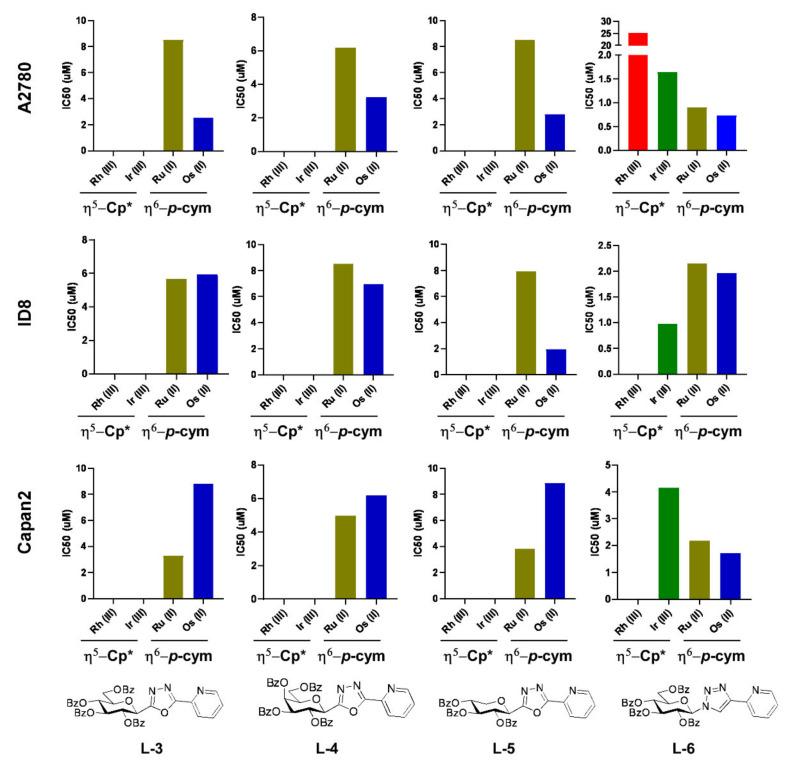
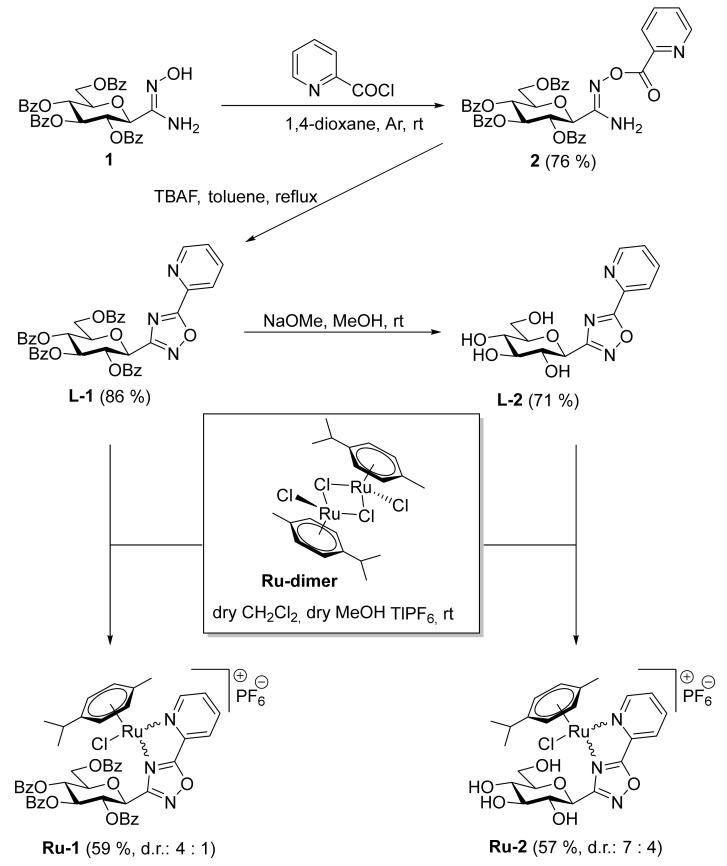
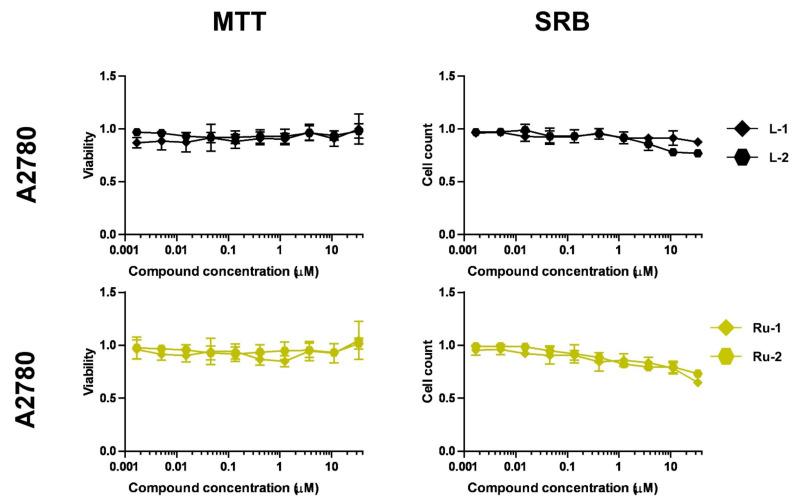
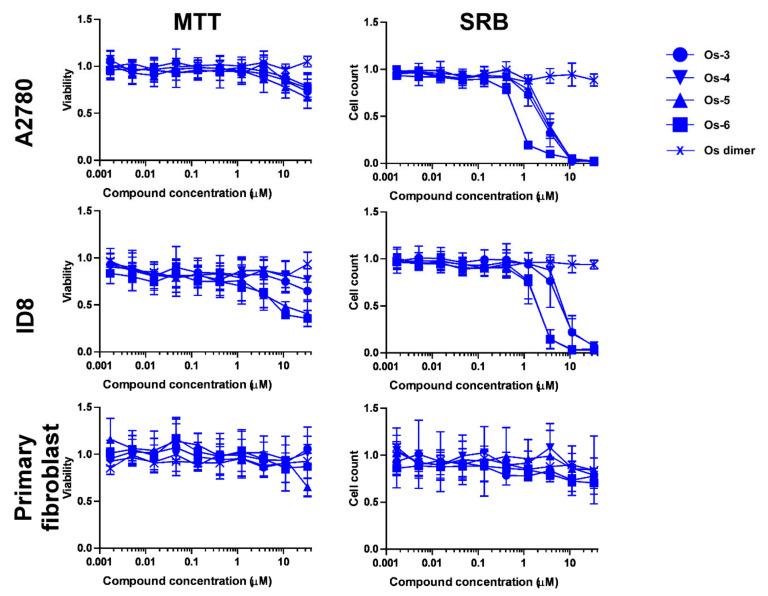
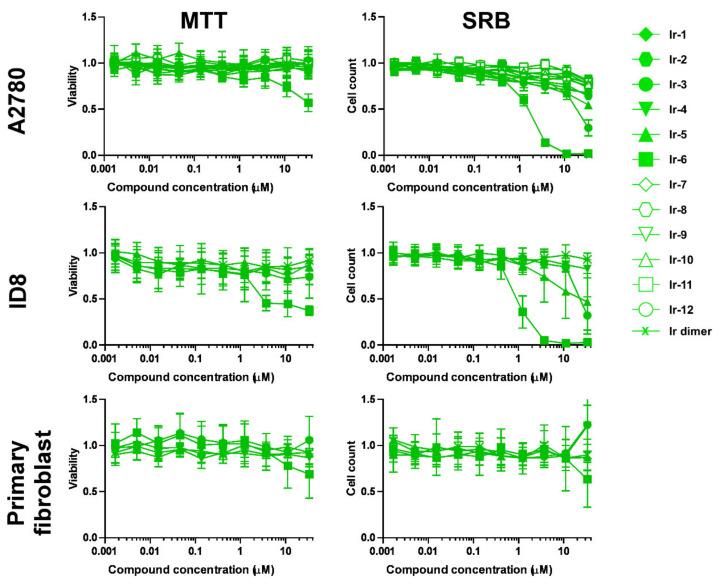
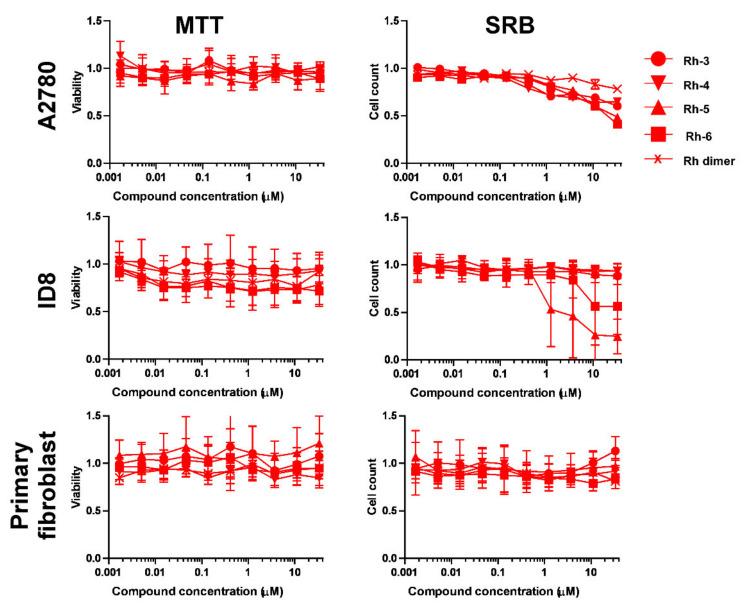
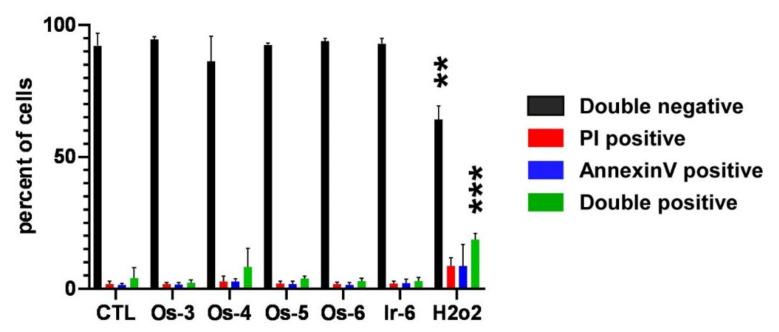
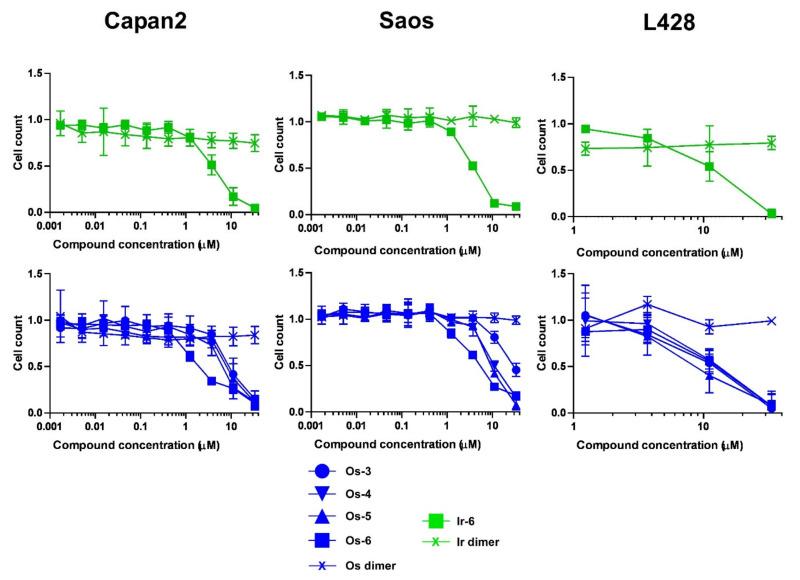
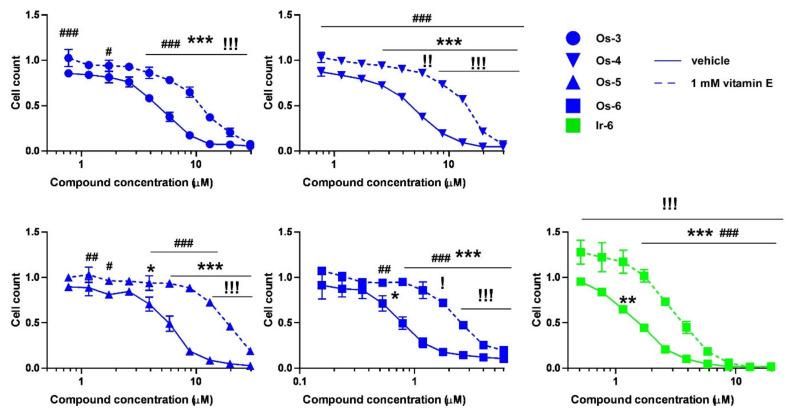
Platinum complexes are used in chemotherapy, primarily as antineoplastic agents. In this study, we assessed the cytotoxic and cytostatic properties of a set of osmium(II), ruthenium(II), iridium(III) and rhodium(III) half-sandwich-type complexes with bidentate monosaccharide ligands. We identified 5 compounds with moderate to negligible acute cytotoxicity but with potent long-term cytostatic activity. These structure-activity relationship studies revealed that: (1) osmium(II) -cymene complexes were active in all models, while rhodium(III) and iridium(III) Cp* complexes proved largely inactive; (2) the biological effect was influenced by the nature of the central azole ring of the ligands-1,2,3-triazole was the most effective, followed by 1,3,4-oxadiazole, while the isomeric 1,2,4-oxadiazole abolished the cytostatic activity; (3) we found a correlation between the hydrophobic character of the complexes and their cytostatic activity: compounds with -benzoyl protective groups on the carbohydrate moiety were active, compared to -deprotected ones. The best compound, an osmium(II) complex, had an IC value of 0.70 µM. Furthermore, the steepness of the inhibitory curve of the active complexes suggested cooperative binding; cooperative molecules were better inhibitors than non-cooperative ones. The cytostatic activity of the active complexes was abolished by a lipid-soluble antioxidant, vitamin E, suggesting that oxidative stress plays a major role in the biological activity of the complexes. The complexes were active on ovarian cancer, pancreatic adenocarcinoma, osteosarcoma and Hodgkin's lymphoma cells, but were inactive on primary, non-transformed human fibroblasts, indicating their applicability as potential anticancer agents.
铂配合物主要作为抗肿瘤药物用于化疗。在本研究中,我们评估了一组含有双齿单糖配体的锇(II)、钌(II)、铱(III)和铑(III)半夹心型配合物的细胞毒性和细胞生长抑制特性。我们鉴定出5种化合物,它们具有中度至可忽略不计的急性细胞毒性,但具有强大的长期细胞生长抑制活性。这些构效关系研究表明:(1)锇(II)-对异丙基苯配合物在所有模型中均有活性,而铑(III)和铱(III)茂金属配合物在很大程度上无活性;(2)生物效应受配体中心唑环性质的影响——1,2,3-三唑最有效,其次是1,3,4-恶二唑,而异构体1,2,4-恶二唑则消除了细胞生长抑制活性;(3)我们发现配合物的疏水特性与其细胞生长抑制活性之间存在相关性:与去保护的化合物相比,碳水化合物部分带有苯甲酰保护基的化合物具有活性。最佳化合物,一种锇(II)配合物,IC值为0.70μM。此外,活性配合物抑制曲线的陡峭程度表明存在协同结合;协同分子比非协同分子是更好的抑制剂。活性配合物的细胞生长抑制活性被脂溶性抗氧化剂维生素E消除,这表明氧化应激在配合物的生物活性中起主要作用。这些配合物对卵巢癌、胰腺腺癌、骨肉瘤和霍奇金淋巴瘤细胞有活性,但对原代未转化的人成纤维细胞无活性,表明它们作为潜在抗癌药物的适用性。


 Zotero 插件