
基于共煎反应概念及分析策略从栀子厚朴汤中发现潜在新型药效物质
Discovery of the Potential Novel Pharmacodynamic Substances From Zhi-Zi-Hou-Po Decoction Based on the Concept of Co-Decoction Reaction and Analysis Strategy.
作者信息
Feng Xin, Bi Yuelin, Wang Jiaqi, Li Tianyi, Yu Gengyuan, Zhang Tonghua, Xu Haoran, Zhang Chenning, Sun Yikun
机构信息
School of Chinese Materia Medica, Beijing University of Chinese Medicine, Beijing, China.
Department of Pharmacy, Zigong First People's Hospital, Zigong, China.
出版信息
Front Pharmacol. 2022 Jan 13;12:830558. doi: 10.3389/fphar.2021.830558. eCollection 2021.
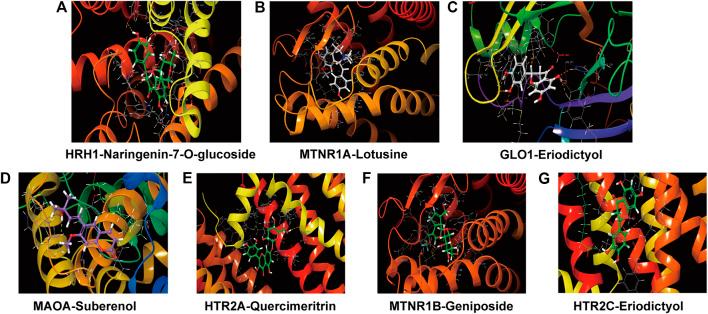
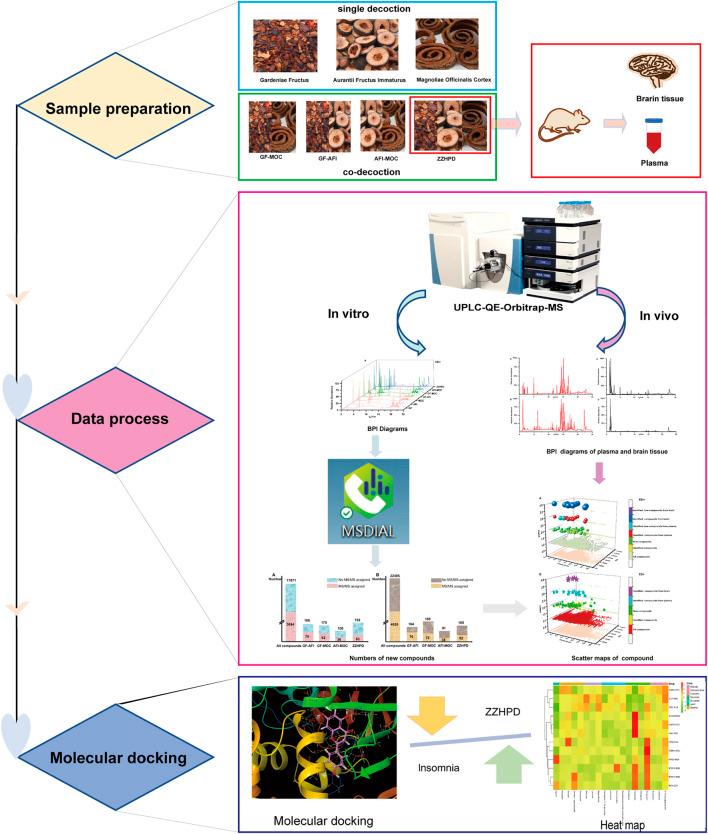
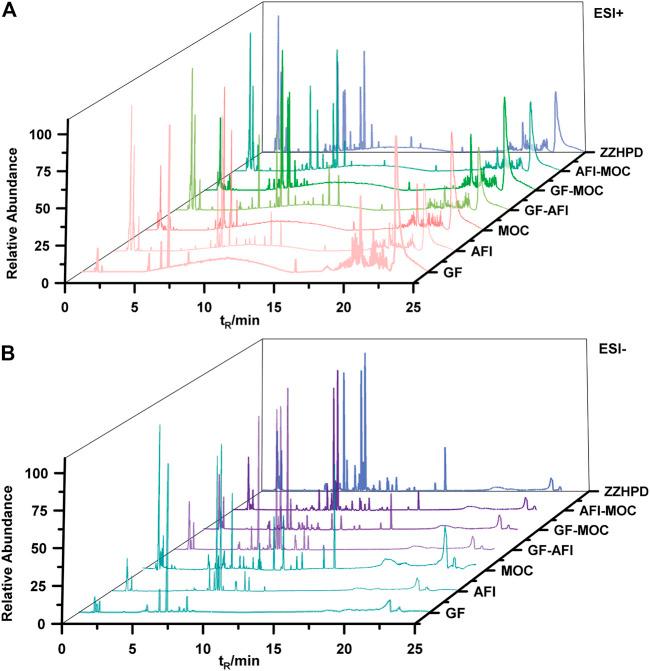
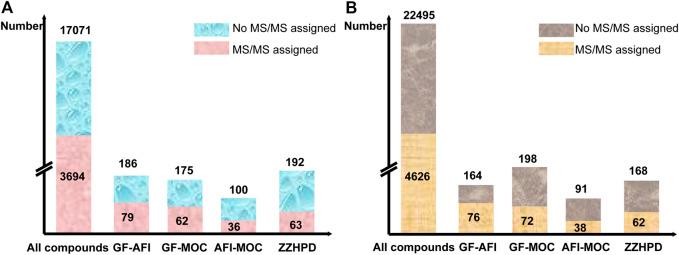
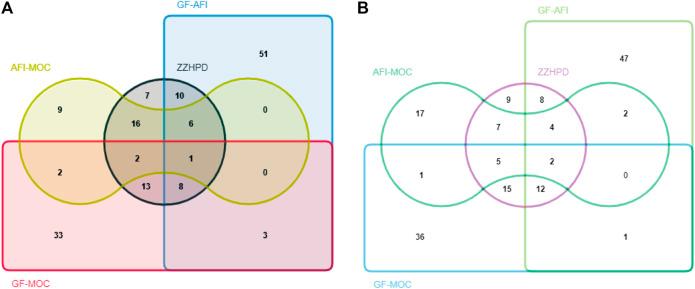
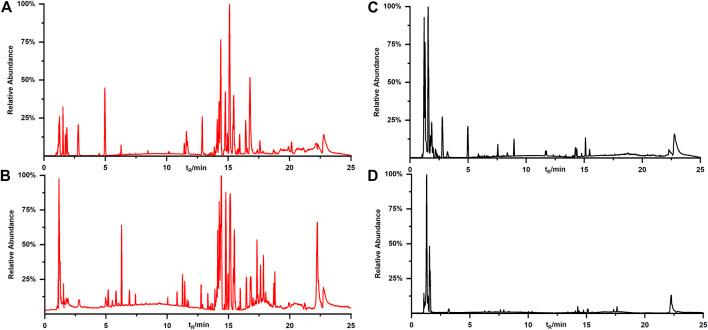
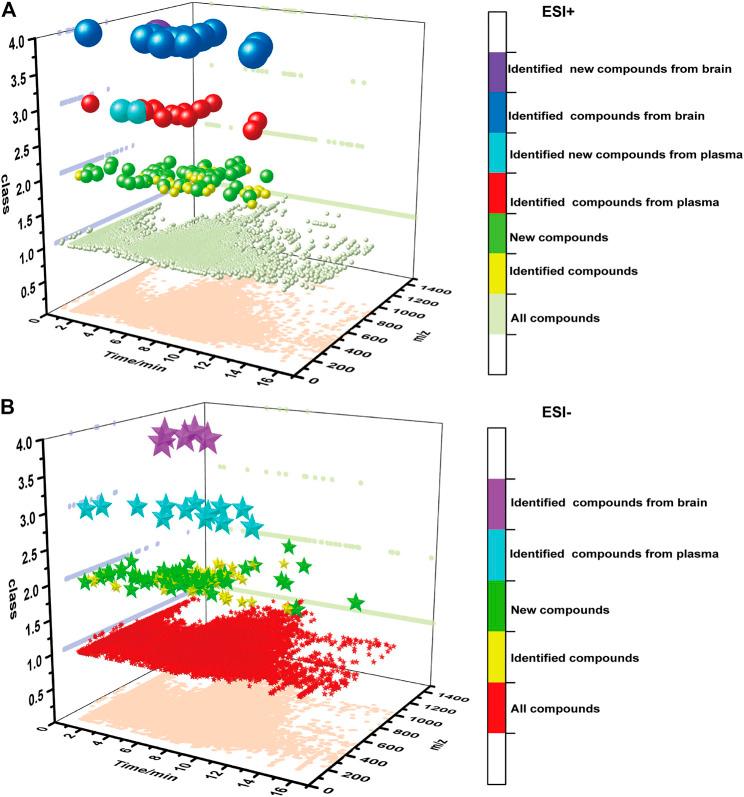
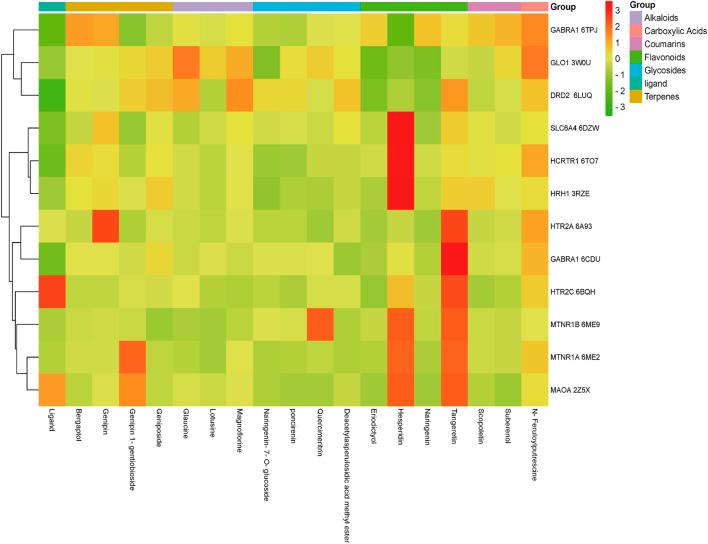
Zhi-Zi-Hou-Po Decoction (ZZHPD), a classic traditional Chinese medicine (TCM) formula, is clinically used to treat insomnia and depression. The analysis strategy based on the concept of co-decoction of TCM is helpful to analyse the effective substances of TCM formula in depth. This manuscript intends to take ZZHPD as a model sample to explore the phenomenon of co-decoction of complex formula in the combination of liquid chromatography-mass spectrometry (LC-MS) technology, data analysis, and molecular docking. In the current research, an innovative LC-MS method has been established to study the active ingredients in ZZHPD, and to identify the ingredients absorbed into the blood and brain tissues of mice. And molecular docking was used to study the binding pattern and affinities of known compounds of the brain tissue toward insomnia related proteins. Based on new processing methods and analysis strategies, 106 chemical components were identified in ZZHPD, including 28 blood components and 18 brain components. Then, by comparing the different compounds in the co-decoction and single decoction, it was surprisingly found that 125 new ingredients were produced during the co-decoction, 2 of which were absorbed into the blood and 1 of which was absorbed into brain tissue. Ultimately, molecular docking studies showed that 18 brain components of ZZHPD had favourable binding conformation and affinity with GABA, serotonin and melatonin receptors. The docking results of GABRA1 with naringenin and hesperidin, HCRTR1 with naringenin-7-O-glucoside, poncirenin and genipin 1-gentiobioside, and luteolin with SLC6A4, GLO1, MAOB and MTNR1A may clarify the mechanism of action of ZZHPD in treating insomnia and depression. Our study may provide new ideas for further exploring the effective substances in ZZHPD.
栀子厚朴汤(ZZHPD)是一种经典的中药配方,临床上用于治疗失眠和抑郁症。基于中药合煎概念的分析策略有助于深入分析中药配方的有效成分。本手稿旨在以栀子厚朴汤为模型样本,结合液相色谱 - 质谱(LC - MS)技术、数据分析和分子对接,探索复方合煎现象。在当前研究中,已建立了一种创新的LC - MS方法来研究栀子厚朴汤中的活性成分,并鉴定小鼠血液和脑组织中吸收的成分。并利用分子对接研究脑组织中已知化合物与失眠相关蛋白的结合模式和亲和力。基于新的处理方法和分析策略,在栀子厚朴汤中鉴定出106种化学成分,包括28种血液成分和18种脑组织成分。然后,通过比较合煎和单煎中的不同化合物,令人惊讶地发现合煎过程中产生了125种新成分,其中2种被吸收到血液中,1种被吸收到脑组织中。最终,分子对接研究表明,栀子厚朴汤的18种脑组织成分与GABA、血清素和褪黑素受体具有良好的结合构象和亲和力。GABRA1与柚皮苷和橙皮苷、HCRTR1与柚皮苷 - 7 - O - 葡萄糖苷、枳属苷元和京尼平1 - 龙胆二糖苷以及木犀草素与SLC6A4、GLO1、MAOB和MTNR1A的对接结果可能阐明栀子厚朴汤治疗失眠和抑郁症的作用机制。我们的研究可能为进一步探索栀子厚朴汤中的有效物质提供新思路。
 Zotero 插件