
肝窦内皮细胞对治疗性抗体清除的作用
The Contribution of Liver Sinusoidal Endothelial Cells to Clearance of Therapeutic Antibody.
作者信息
James Bethany H, Papakyriacou Pantelitsa, Gardener Matthew J, Gliddon Louise, Weston Christopher J, Lalor Patricia F
机构信息
Centre for Liver and Gastroenterology Research and National Institute for Health Research (NIHR) Birmingham Biomedical Research Centre, Institute of Immunology and Immunotherapy, University of Birmingham, Birmingham, United Kingdom.
Antibody Pharmacology, Biopharm Discovery, Glaxo Smith Kline Research and Development, Stevenage, United Kingdom.
出版信息
Front Physiol. 2022 Jan 14;12:753833. doi: 10.3389/fphys.2021.753833. eCollection 2021.
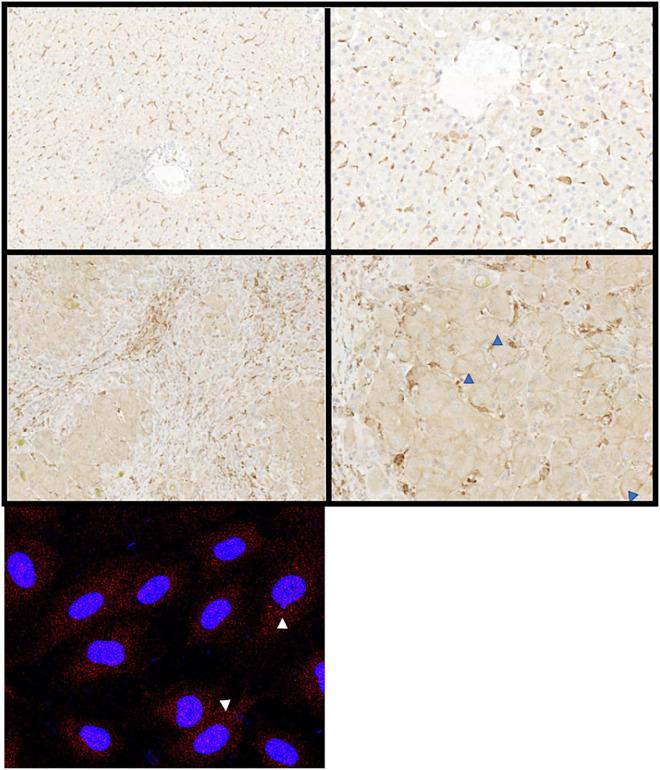
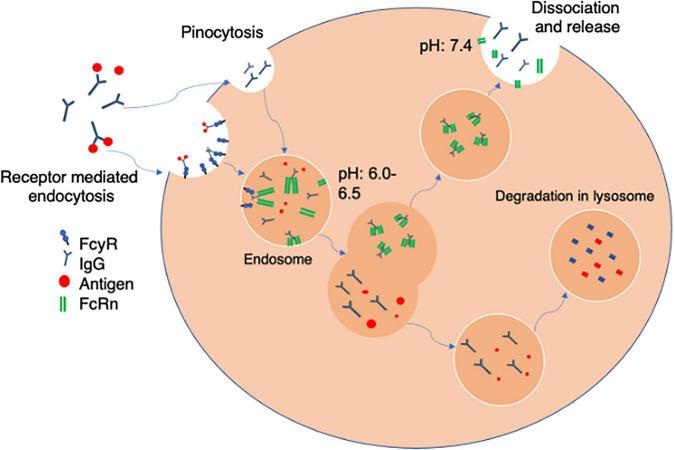
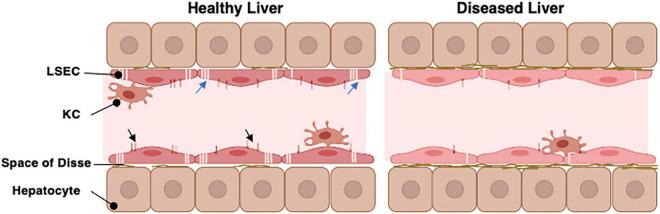
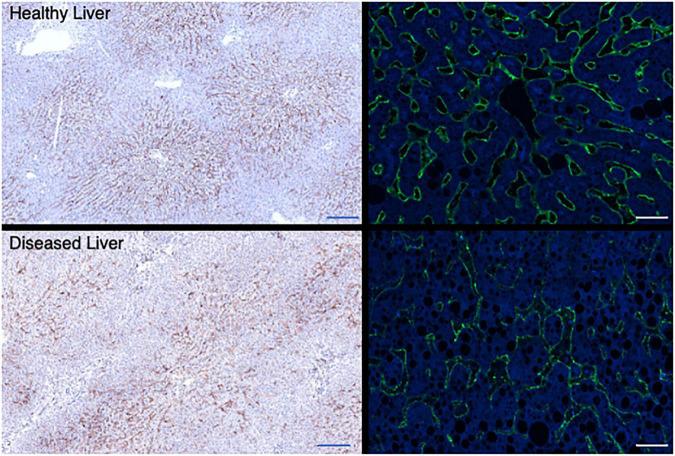
Many chronic inflammatory diseases are treated by administration of "biological" therapies in terms of fully human and humanized monoclonal antibodies or Fc fusion proteins. These tools have widespread efficacy and are favored because they generally exhibit high specificity for target with a low toxicity. However, the design of clinically applicable humanized antibodies is complicated by the need to circumvent normal antibody clearance mechanisms to maintain therapeutic dosing, whilst avoiding development of off target antibody dependent cellular toxicity. Classically, professional phagocytic immune cells are responsible for scavenging and clearance of antibody interactions with the Fc portion. Immune cells such as macrophages, monocytes, and neutrophils express Fc receptor subsets, such as the FcγR that can then clear immune complexes. Another, the neonatal Fc receptor (FcRn) is key to clearance of IgG and serum half-life of antibody is explicitly linked to function of this receptor. The liver is a site of significant expression of FcRn and indeed several hepatic cell populations including Kupffer cells and liver sinusoidal endothelial cells (LSEC), play key roles in antibody clearance. This combined with the fact that the liver is a highly perfused organ with a relatively permissive microcirculation means that hepatic binding of antibody has a significant effect on pharmacokinetics of clearance. Liver disease can alter systemic distribution or pharmacokinetics of antibody-based therapies and impact on clinical effectiveness, however, few studies document the changes in key membrane receptors involved in antibody clearance across the spectrum of liver disease. Similarly, the individual contribution of LSEC scavenger receptors to antibody clearance in a healthy or chronically diseased organ is not well characterized. This is an important omission since pharmacokinetic studies of antibody distribution are often based on studies in healthy individuals and thus may not reflect the picture in an aging or chronically diseased population. Therefore, in this review we consider the expression and function of key antibody-binding receptors on LSEC, and the features of therapeutic antibodies which may accentuate clearance by the liver. We then discuss the implications of this for the design and utility of monoclonal antibody-based therapies.
许多慢性炎症性疾病可通过给予“生物”疗法来治疗,这些疗法包括完全人源化和人源化的单克隆抗体或Fc融合蛋白。这些工具具有广泛的疗效且备受青睐,因为它们通常对靶点具有高特异性且毒性低。然而,临床适用的人源化抗体的设计较为复杂,因为需要规避正常的抗体清除机制以维持治疗剂量,同时避免产生脱靶抗体依赖性细胞毒性。传统上,专业的吞噬性免疫细胞负责清除与Fc部分相互作用的抗体。巨噬细胞、单核细胞和中性粒细胞等免疫细胞表达Fc受体亚群,如FcγR,其可清除免疫复合物。另外,新生儿Fc受体(FcRn)是IgG清除的关键,抗体的血清半衰期与该受体的功能密切相关。肝脏是FcRn的重要表达部位,实际上包括库普弗细胞和肝窦内皮细胞(LSEC)在内的几种肝细胞群体在抗体清除中起关键作用。这与肝脏是一个高灌注器官且微循环相对宽松这一事实相结合,意味着抗体的肝脏结合对清除的药代动力学有显著影响。肝脏疾病可改变基于抗体疗法的全身分布或药代动力学,并影响临床疗效,然而,很少有研究记录在整个肝脏疾病谱中参与抗体清除的关键膜受体的变化。同样,LSEC清道夫受体在健康或慢性疾病器官中对抗体清除的个体贡献也未得到充分表征。这是一个重要的疏漏,因为抗体分布的药代动力学研究通常基于健康个体的研究,因此可能无法反映老年或慢性疾病人群的情况。因此,在本综述中,我们考虑LSEC上关键抗体结合受体的表达和功能,以及可能会加剧肝脏清除的治疗性抗体的特征。然后我们讨论这对基于单克隆抗体疗法的设计和效用的影响。

 Zotero 插件