
低氧应激破坏人滋养细胞中的 HGF/Met 信号:对子痫前期发病机制的影响。
Hypoxic stress disrupts HGF/Met signaling in human trophoblasts: implications for the pathogenesis of preeclampsia.
机构信息
Clinical Stem Cell Research Center, Peking University Third Hospital, Beijing, China.
Department of Obstetrics and Gynecology, Peking University Third Hospital, Beijing, China.
出版信息
J Biomed Sci. 2022 Feb 3;29(1):8. doi: 10.1186/s12929-022-00791-5.
BACKGROUND
Preeclampsia (PE), a placenta-associated pregnancy complication, is the leading cause of maternal and perinatal morbidity and mortality. Met/Erk signaling is inhibited in the placentas of patients with early-onset preeclampsia (E-PE), but the underlying mechanisms remain elusive. In this study, the expression modes of Met and endocytic vesicles in normal and preeclamptic placentas were compared. Biotinylation internalization/recycling assays were used to measure the endocytosis of Met under hypoxia and normoxia in HTR8/SVneo cells. In addition, the expression level of Cbl, a specific E3 ligase of Met, was measured under hypoxia and normoxia, and the endocytosis of Met was studied by using confocal microscopy.
RESULTS
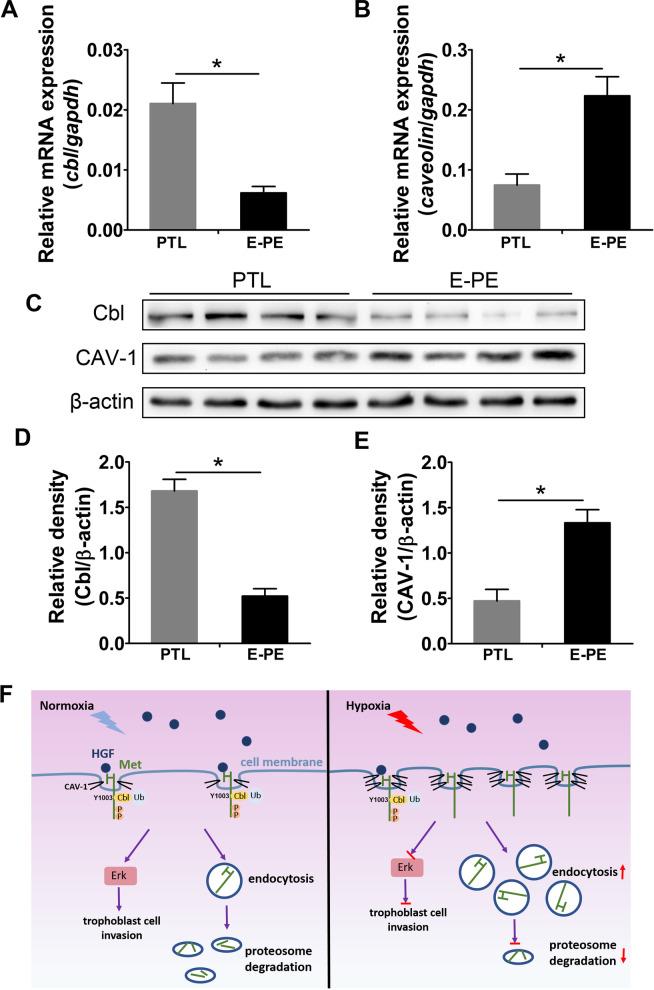
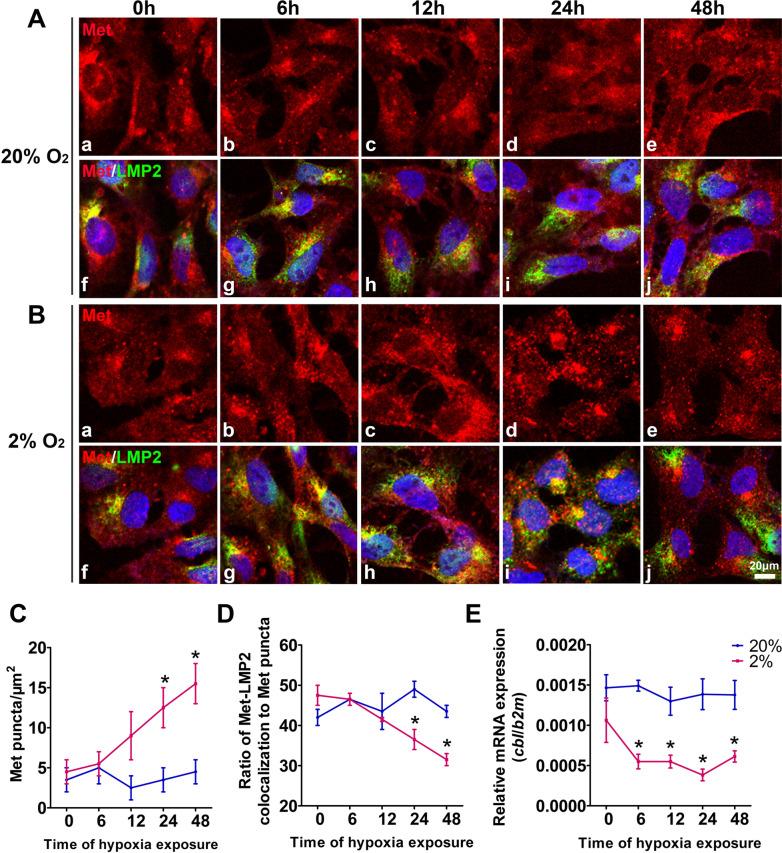
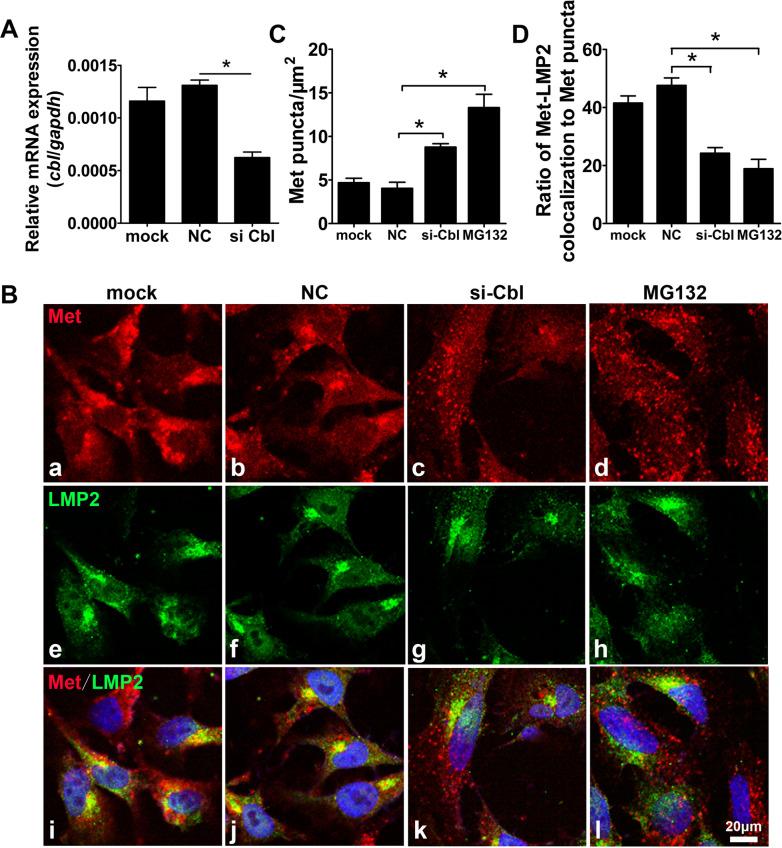
We found considerable intracellular accumulation of Met, which was colocalized with caveolin-1 (CAV-1), in trophoblasts from E-PE placentas. Prolonged hypoxic stimulation led to the remarkable augmentation of CAV-1-mediated Met endocytosis in HTR8/SVneo cells. In addition, the expression of Cbl was substantially repressed by sustained hypoxia, disrupting ubiquitin degradation and the subsequent intracellular accumulation of Met in HTR8/SVneo cells. The abnormal degradation of Met hampered the ability of hepatocyte growth factor (HGF) to promote trophoblast cell invasion. In E-PE placentas, aberrant upregulation of CAV-1 and downregulation of Cbl were observed in parallel to the intracellular accumulation of Met.
CONCLUSIONS
These findings reveal that prolonged hypoxic stress induces the augmentation of endocytosis and repression of ubiquitin-mediated Met degradation, which leads to the impaired regulation of trophoblast invasion by HGF/Met signaling. These data provide novel evidence for elucidating the pathogenesis of preeclampsia, especially of the early-onset subtype.
背景
子痫前期(PE)是一种胎盘相关的妊娠并发症,是孕产妇和围产儿发病率和死亡率的主要原因。早期发病的子痫前期(E-PE)患者的胎盘内 Met/Erk 信号受到抑制,但潜在机制尚不清楚。本研究比较了正常和子痫前期胎盘组织中 Met 和内吞小泡的表达模式。用生物素化内化/再循环测定法测量 HTR8/SVneo 细胞在低氧和常氧条件下 Met 的内吞作用。此外,还测量了低氧和常氧条件下 Met 的特异性 E3 连接酶 Cbl 的表达水平,并通过共聚焦显微镜研究了 Met 的内吞作用。
结果
我们发现 E-PE 胎盘滋养细胞中 Met 大量胞内积聚,与 caveolin-1(CAV-1)共定位。长时间低氧刺激导致 HTR8/SVneo 细胞中 CAV-1 介导的 Met 内吞作用显著增强。此外,持续低氧显著抑制 Cbl 的表达,破坏泛素降解和随后 HTR8/SVneo 细胞内 Met 的积聚。Met 的异常降解削弱了肝细胞生长因子(HGF)促进滋养细胞侵袭的能力。在 E-PE 胎盘组织中,CAV-1 的异常上调和 Cbl 的下调与 Met 的胞内积聚平行发生。
结论
这些发现表明,长时间的低氧应激诱导内吞作用的增强和泛素介导的 Met 降解的抑制,导致 HGF/Met 信号对滋养细胞侵袭的调节受损。这些数据为阐明子痫前期,尤其是早发型子痫前期的发病机制提供了新的证据。



 Zotero 插件