
酿酒酵母中半乳糖途径的调控:尿苷基转移酶mRNA的诱导及对GAL4基因功能的依赖性。
Regulation of the galactose pathway in Saccharomyces cerevisiae: induction of uridyl transferase mRNA and dependency on GAL4 gene function.
作者信息
Hopper J E, Broach J R, Rowe L B
出版信息
Proc Natl Acad Sci U S A. 1978 Jun;75(6):2878-82. doi: 10.1073/pnas.75.6.2878.
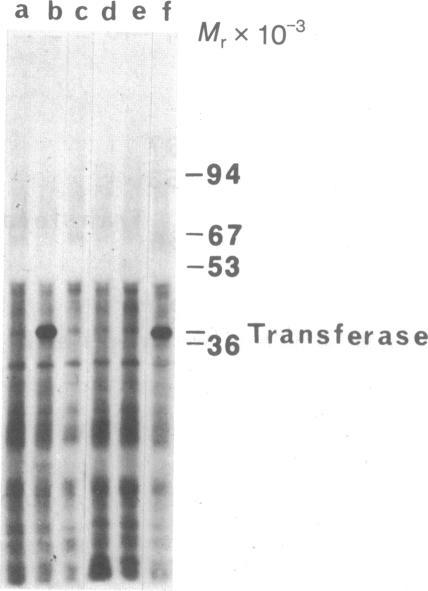
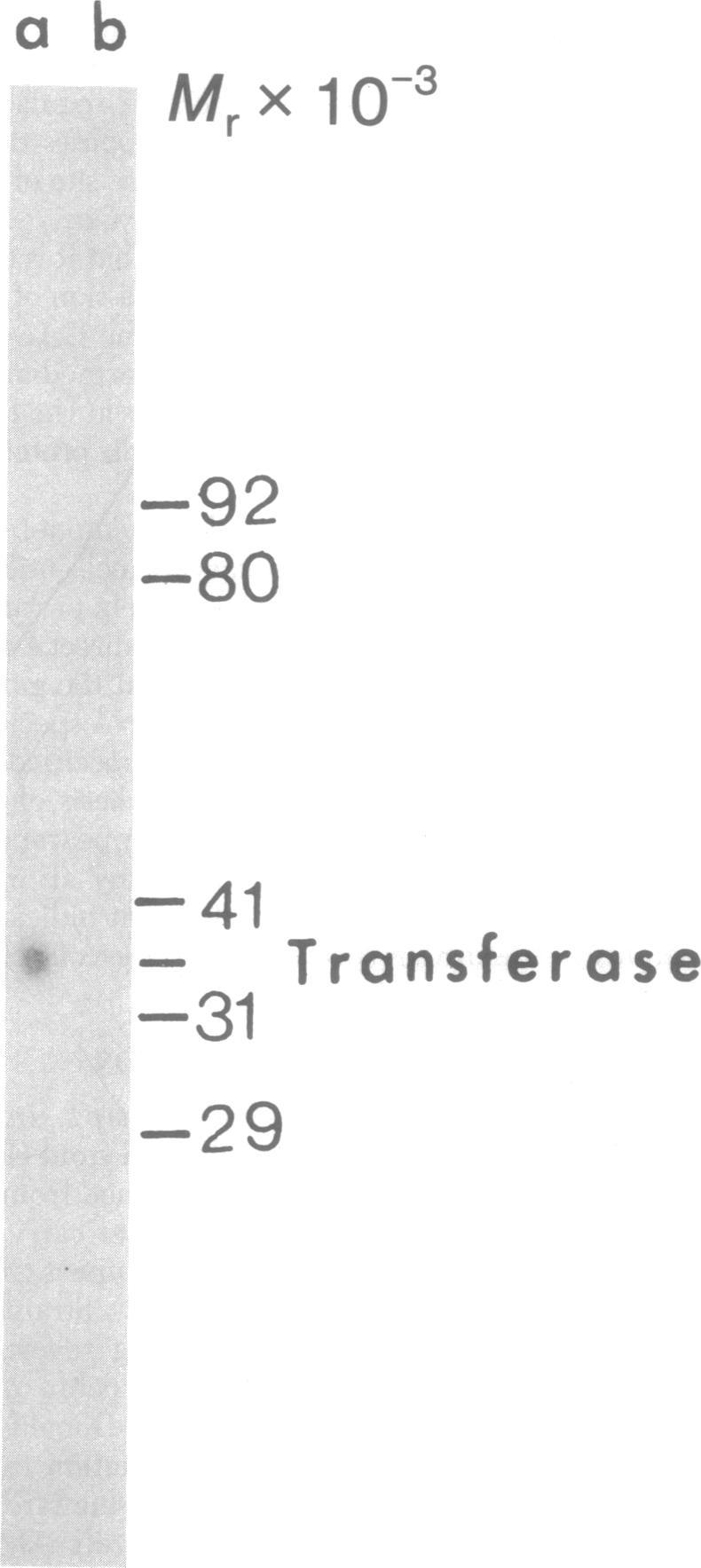
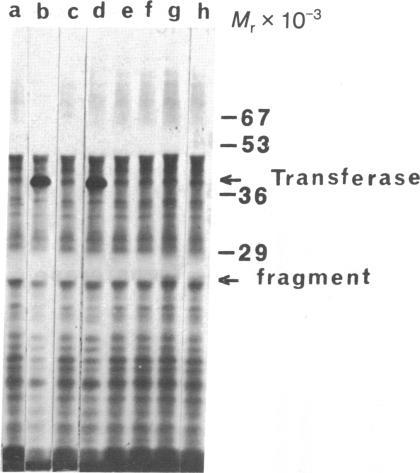
In Saccharomyces cerevisiae, utilization of galactose requires four inducible enzyme activities. Three of these activities (galactose-1-phosphate uridyl transferase, EC 2.7.7.10; uridine diphosphogalactose 4-epimerase, EC 5.1.3.2; and galactokinase, EC 2.7.1.6) are specified by three tightly linked genes (GAL7, GAL10, and GAL1, respectively) on chromosome II, whereas the fourth, galactose transport, is specified by a gene (GAL2) located on chromosome XII. Although classic genetic analysis has revealed both positive and negative regulatory genes that coordinately affect the appearance of all four enzyme activities, neither the basic events leading to the appearance of enzyme activities nor the roles of the regulatory genes have yet been determined. Regulation of inducible enzyme activity could be mediated by events related to transcription, translation, or enzyme activation. For the purpose of studying galactose pathway induction and its regulation, we have developed an immunoprecipitation assay that enables us to detect the GAL7 specified uridyl transferase polypeptide in yeast extracts and among the polypeptides synthesized in an RNA-dependent in vitro translation system. Use of this immunoprecipitation assay in conjunction with in vivo labeling experiments demonstrates the presence of [(3)H]leucine-labeled transferase in extracts prepared from cells grown in galactose but not from cells grown in glucose. This galactose-specific induction of transferase polypeptide is mediated by the de novo appearance of a functional mRNA species whose synthetic capacity is detectable by the combination of in vitro translation and immunoprecipitation. The appearance of functional transferase mRNA depends on wild-type expression of the positive regulatory gene, GAL4. Cells carrying a nonsense (amber) mutation in the GAL4 gene fail to produce the transferase mRNA, whereas a nonsense suppressor of the GAL4 amber mutant regains the galactose-specific mRNA response. Our results establish that the induction of the GAL7 specified uridyl transferase activity is mediated by de novo appearance of a functional mRNA and that this galactose-specific response is dependent on a wild-type GAL4 gene product.
在酿酒酵母中,半乳糖的利用需要四种诱导型酶活性。其中三种活性(半乳糖-1-磷酸尿苷酰转移酶,EC 2.7.7.10;尿苷二磷酸半乳糖4-表异构酶,EC 5.1.3.2;以及半乳糖激酶,EC 2.7.1.6)分别由位于第二条染色体上的三个紧密连锁的基因(分别为GAL7、GAL10和GAL1)所决定,而第四种活性,即半乳糖转运,则由位于第十二条染色体上的一个基因(GAL2)所决定。尽管经典遗传学分析已经揭示了协调影响所有四种酶活性出现的正调控基因和负调控基因,但导致酶活性出现的基本事件以及调控基因的作用尚未确定。诱导型酶活性的调节可能由与转录、翻译或酶激活相关的事件介导。为了研究半乳糖途径的诱导及其调节,我们开发了一种免疫沉淀测定法,该方法使我们能够在酵母提取物中以及在依赖RNA的体外翻译系统中合成的多肽中检测到由GAL7指定的尿苷酰转移酶多肽。将这种免疫沉淀测定法与体内标记实验结合使用,结果表明,在以半乳糖生长的细胞制备的提取物中存在[(3)H]亮氨酸标记的转移酶,而在以葡萄糖生长的细胞制备的提取物中则不存在。转移酶多肽的这种半乳糖特异性诱导是由一种功能性mRNA种类的从头出现介导的,其合成能力可通过体外翻译和免疫沉淀的结合来检测。功能性转移酶mRNA的出现取决于正调控基因GAL4的野生型表达。在GAL4基因中携带无义(琥珀)突变的细胞无法产生转移酶mRNA,而GAL4琥珀突变体的无义抑制子则恢复了半乳糖特异性mRNA反应。我们的结果表明,GAL7指定的尿苷酰转移酶活性的诱导是由功能性mRNA的从头出现介导的,并且这种半乳糖特异性反应依赖于野生型GAL4基因产物。

 Zotero 插件