
寻找抗氧化分子机制中的生物标志物以确保受海洋污染威胁的双壳贝类食品安全。
Finding Biomarkers in Antioxidant Molecular Mechanisms for Ensuring Food Safety of Bivalves Threatened by Marine Pollution.
作者信息
López-Pedrouso María, Lorenzo José M, Varela Zulema, Fernández J Ángel, Franco Daniel
机构信息
Departamento de Zooloxía, Xenética e Antropoloxía Física, Universidade de Santiago de Compostela, 15872 Santiago de Compostela, Spain.
Centro Tecnolóxico da Carne de Galicia, Rúa Galicia No. 4, Parque Tecnolóxico de Galicia, San Cibrao das Viñas, 32900 Ourense, Spain.
出版信息
Antioxidants (Basel). 2022 Feb 11;11(2):369. doi: 10.3390/antiox11020369.
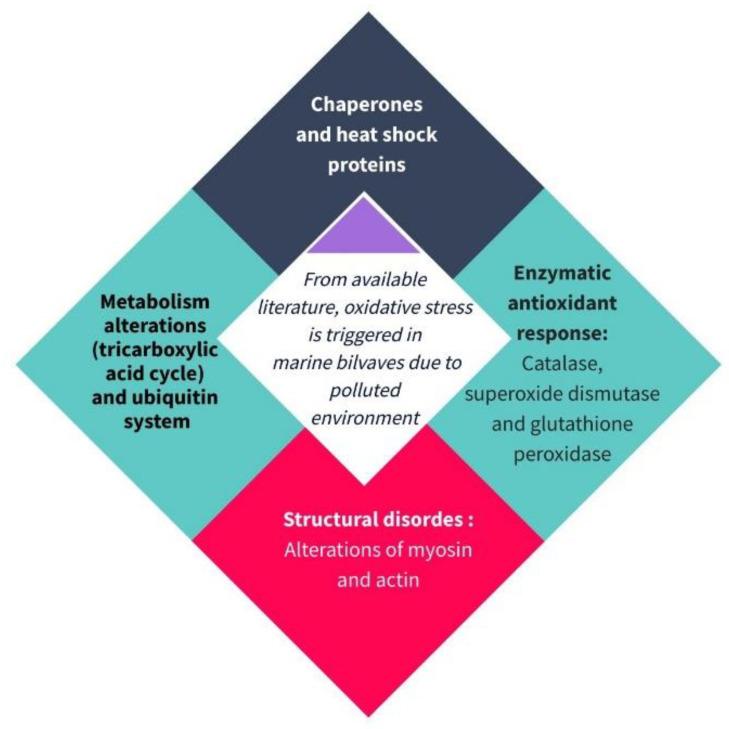
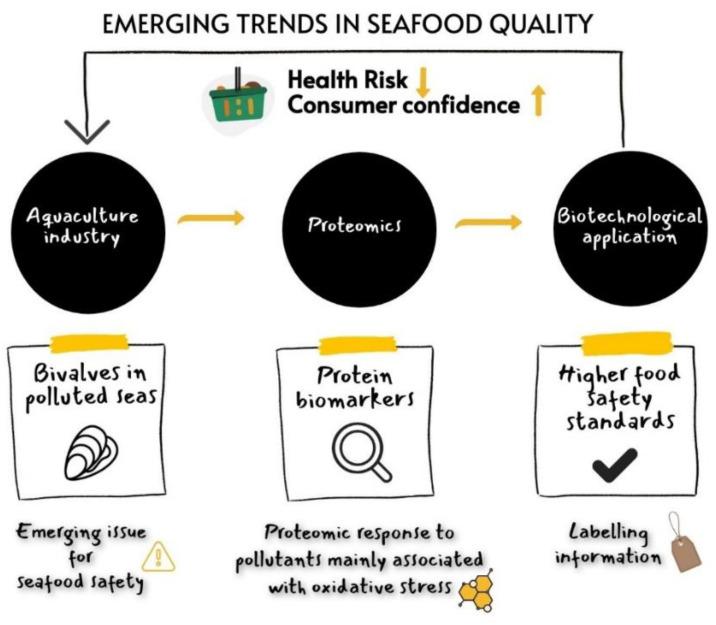
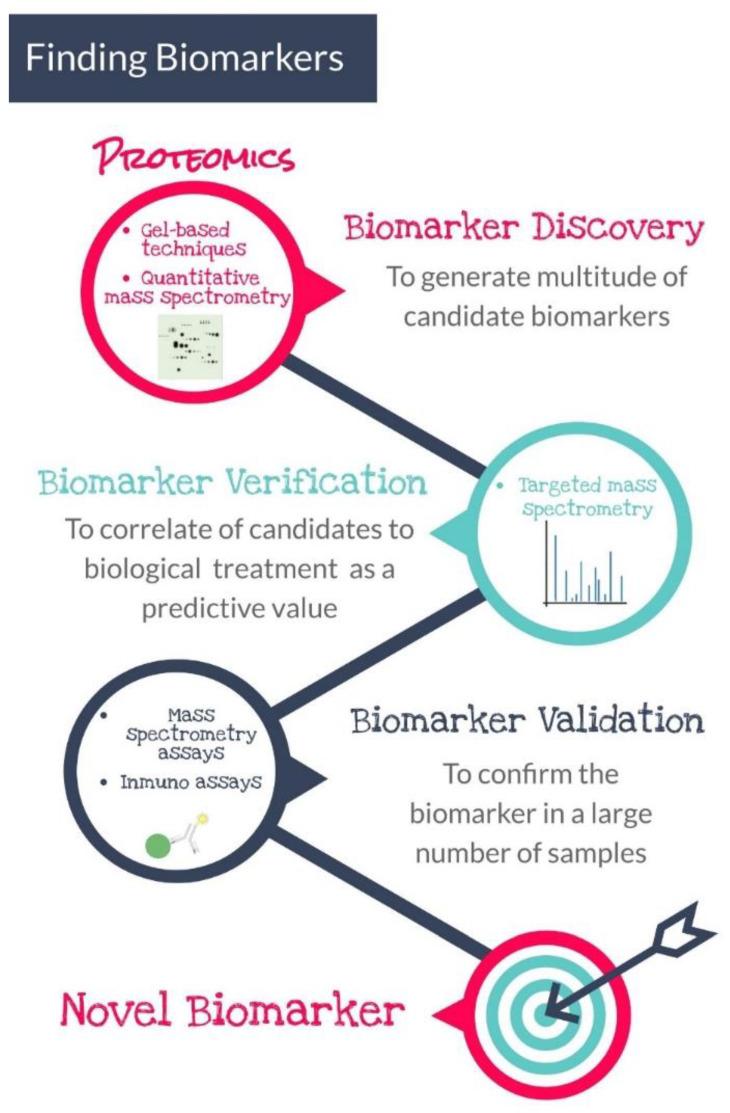
Aquaculture production as an important source of protein for our diet is sure to continue in the coming years. However, marine pollution will also likely give rise to serious problems for the food safety of molluscs. Seafood is widely recognized for its high nutritional value in our diet, leading to major health benefits. However, the threat of marine pollution including heavy metals, persistent organic pollutants and other emerging pollutants is of ever-growing importance and seafood safety may not be guaranteed. New approaches for the search of biomarkers would help us to monitor pollutants and move towards a more global point of view; protocols for the aquaculture industry would also be improved. Rapid and accurate detection of food safety problems in bivalves could be carried out easily by protein biomarkers. Hence, proteomic technologies could be considered as a useful tool for the discovery of protein biomarkers as a first step to improve the protocols of seafood safety. It has been demonstrated that marine pollutants are altering the bivalve proteome, affecting many biological processes and molecular functions. The main response mechanism of bivalves in a polluted marine environment is based on the antioxidant defense system against oxidative stress. All these proteomic data provided from the literature suggest that alterations in oxidative stress due to marine pollution are closely linked to robust and confident biomarkers for seafood safety.
水产养殖作为我们饮食中蛋白质的重要来源,在未来几年肯定会继续发展。然而,海洋污染也可能给软体动物的食品安全带来严重问题。海鲜因其在我们饮食中的高营养价值而被广泛认可,对健康有诸多益处。然而,包括重金属、持久性有机污染物和其他新兴污染物在内的海洋污染威胁日益严重,海鲜安全可能无法得到保障。寻找生物标志物的新方法将有助于我们监测污染物,并朝着更全面的视角发展;水产养殖业的相关规程也将得到改进。通过蛋白质生物标志物可以轻松快速且准确地检测双壳贝类的食品安全问题。因此,蛋白质组学技术可被视为发现蛋白质生物标志物的有用工具,这是改进海鲜安全规程的第一步。已经证明,海洋污染物正在改变双壳贝类的蛋白质组,影响许多生物过程和分子功能。双壳贝类在受污染海洋环境中的主要反应机制基于抗氧化防御系统以应对氧化应激。文献中提供的所有这些蛋白质组学数据表明,海洋污染导致的氧化应激变化与可靠的海鲜安全生物标志物密切相关。
 Zotero 插件