
阿尔茨海默病中的淀粉样变性:发病机制、病因学及相关治疗方向。
Amyloidosis in Alzheimer's Disease: Pathogeny, Etiology, and Related Therapeutic Directions.
机构信息
Experimental Center of Pathogen Biology, Nanchang University, Nanchang 330006, China.
Queen Marry College, School of Medicine, Nanchang University, Nanchang 330036, China.
出版信息
Molecules. 2022 Feb 11;27(4):1210. doi: 10.3390/molecules27041210.
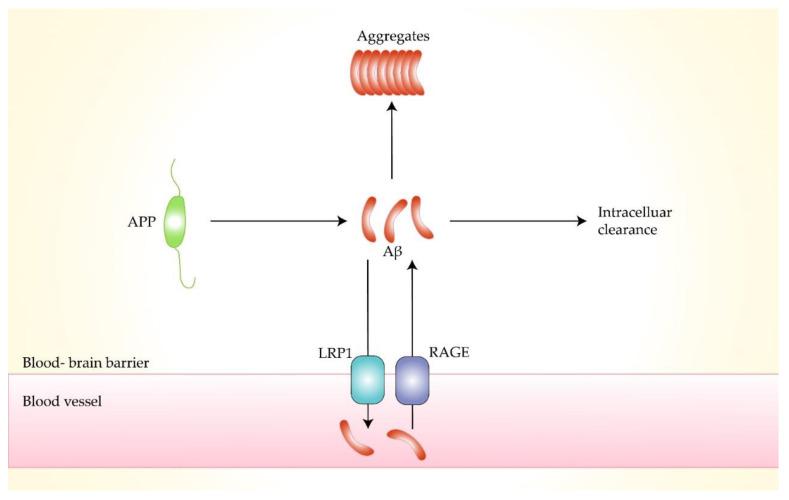
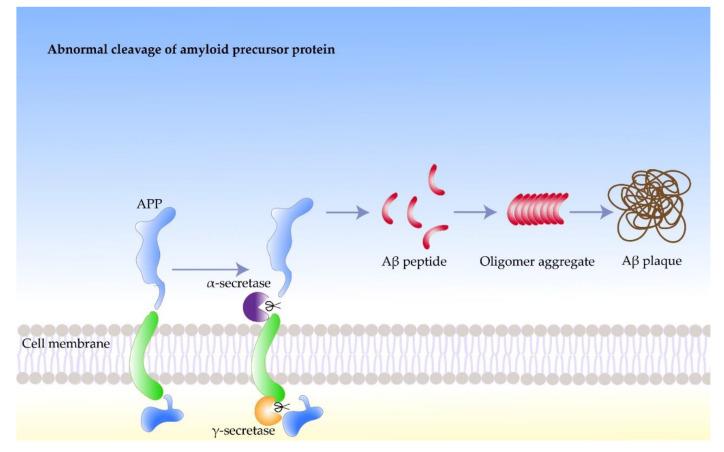
The amyloid hypothesis of Alzheimer's disease has long been the predominant theory, suggesting that Alzheimer's disease is caused by the accumulation of amyloid beta protein (Aβ) in the brain, leading to neuronal toxicity in the central nervous system (CNS). Because of breakthroughs in molecular medicine, the amyloid pathway is thought to be central to the pathophysiology of Alzheimer's disease (AD). Currently, it is believed that altered biochemistry of the Aβ cycle remains a central biological feature of AD and is a promising target for treatment. This review provides an overview of the process of amyloid formation, explaining the transition from amyloid precursor protein to amyloid beta protein. Moreover, we also reveal the relationship between autophagy, cerebral blood flow, ACHE, expression of LRP1, and amyloidosis. In addition, we discuss the detailed pathogenesis of amyloidosis, including oxidative damage, tau protein, NFTs, and neuronal damage. Finally, we list some ways to treat AD in terms of decreasing the accumulation of Aβ in the brain.
阿尔茨海默病的淀粉样蛋白假说一直是占主导地位的理论,该理论表明阿尔茨海默病是由大脑中淀粉样β蛋白 (Aβ) 的积累引起的,导致中枢神经系统 (CNS) 的神经元毒性。由于分子医学的突破,淀粉样蛋白途径被认为是阿尔茨海默病 (AD) 病理生理学的核心。目前,人们认为 Aβ 循环的改变生物化学仍然是 AD 的一个核心生物学特征,是治疗的有希望的靶点。这篇综述概述了淀粉样蛋白形成的过程,解释了从淀粉样前体蛋白到淀粉样β蛋白的转变。此外,我们还揭示了自噬、脑血流、ACHE、LRP1 表达与淀粉样变性之间的关系。此外,我们还讨论了淀粉样变性的详细发病机制,包括氧化损伤、tau 蛋白、NFTs 和神经元损伤。最后,我们列出了一些减少大脑中 Aβ 积累的治疗 AD 的方法。

 Zotero 插件