
2型糖尿病患者中钠-葡萄糖协同转运蛋白2抑制剂:改善常规临床实践中药物使用的障碍与解决方案
Sodium-glucose co-transporter-2 inhibitors in patients with type 2 diabetes: Barriers and solutions for improving uptake in routine clinical practice.
作者信息
Khunti Kamlesh, Jabbour Serge, Cos Xavier, Mudaliar Sunder, Mende Christian, Bonaca Marc, Fioretto Paola
机构信息
Diabetes Research Centre, College of Medicine, Biological Sciences and Psychology, University of Leicester, Leicester, UK.
NIHR Applied Research Collaboration - East Midlands, Leicester, UK.
出版信息
Diabetes Obes Metab. 2022 Jul;24(7):1187-1196. doi: 10.1111/dom.14684. Epub 2022 Mar 30.
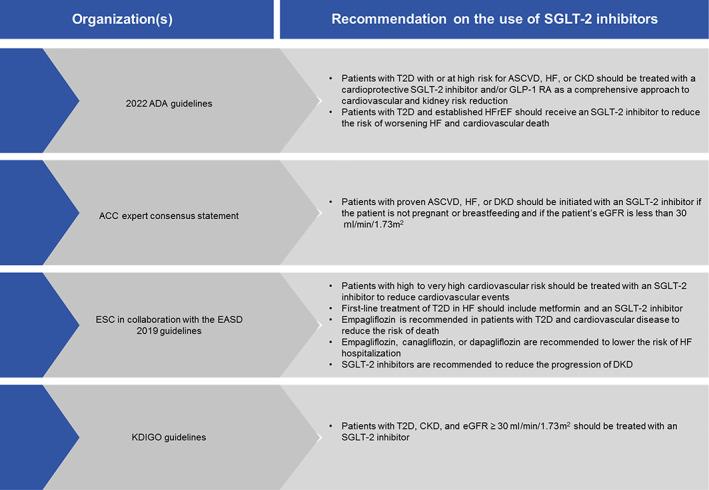
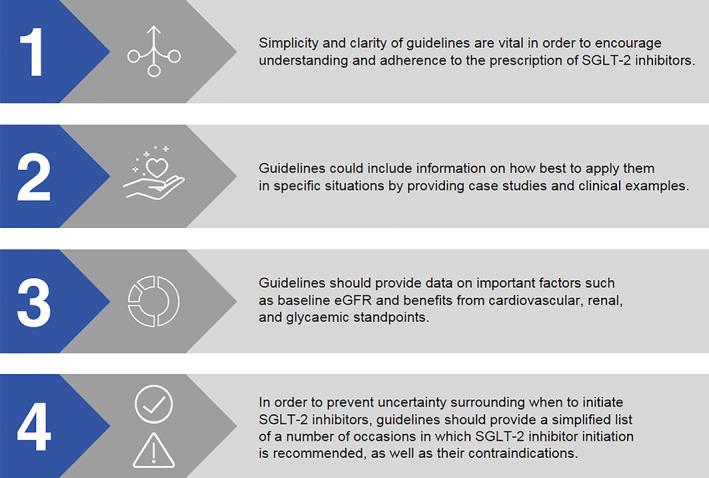
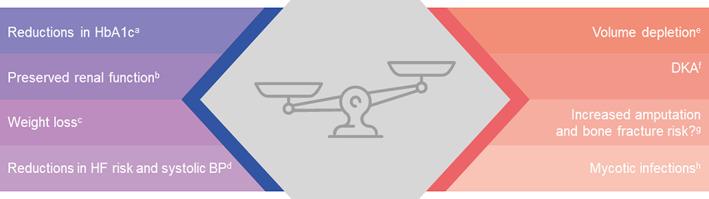
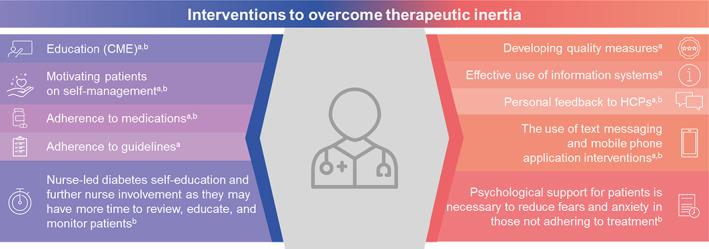
Recent advances in type 2 diabetes (T2D) research have highlighted the benefits of sodium-glucose co-transporter-2 (SGLT-2) inhibitors, including cardiovascular and renal protection. However, uptake rates of these drugs remain low in patients with T2D, particularly in subpopulations most likely to benefit from them. This review considers the potential barriers to prescribing SGLT-2 inhibitors in T2D in clinical practice and outlines potential multidisciplinary recommendations to overcome these barriers. Safety concerns and a lack of clarity in and divergence of guidelines around the introduction of SGLT-2 inhibitors into treatment regimens may represent a barrier to uptake from the clinicians' perspective, including a general lack of understanding of the benefits associated with SGLT-2 inhibitors. Patient characteristics, such as socioeconomic status, may influence uptake because of the cost of SGLT-2 inhibitors, especially in the United States, where health insurance coverage could be a concern. SGLT-2 inhibitor prescription rates vary between clinical specialty (endocrinology, primary care, cardiology, and nephrology) and country, with cardiologists the lowest prescribers, and endocrinologists the highest. Primary care practitioners may experience more challenges in following SGLT-2 inhibitor-related guidelines than diabetes specialists as there may be fewer opportunities for education on how this drug class improves cardiovascular and renal outcomes in patients with T2D. Uptake rates appear to vary between countries because of differences in guidelines and health insurance systems. The amendment of SGLT-2 inhibitor-related guidelines for more multidisciplinary use and the implementation of patient and clinician education may encourage uptake of these drugs, potentially improving long-term health outcomes among patients with T2D.
2型糖尿病(T2D)研究的最新进展凸显了钠-葡萄糖协同转运蛋白2(SGLT-2)抑制剂的益处,包括心血管和肾脏保护作用。然而,这些药物在T2D患者中的使用率仍然较低,尤其是在最可能从中受益的亚组人群中。本综述探讨了在临床实践中为T2D患者开具SGLT-2抑制剂的潜在障碍,并概述了克服这些障碍的多学科潜在建议。从临床医生的角度来看,安全问题以及将SGLT-2抑制剂引入治疗方案的指南缺乏清晰度和存在分歧可能是药物使用的障碍,包括对SGLT-2抑制剂相关益处普遍缺乏了解。患者特征,如社会经济地位,可能会因SGLT-2抑制剂的成本而影响药物使用,尤其是在美国,医疗保险覆盖范围可能是一个问题。SGLT-2抑制剂的处方率在不同临床专科(内分泌科、初级保健、心脏病学和肾脏病学)和不同国家之间存在差异,心脏病专家的处方率最低,内分泌专家的处方率最高。与糖尿病专科医生相比,初级保健医生在遵循SGLT-2抑制剂相关指南方面可能会面临更多挑战,因为关于该类药物如何改善T2D患者心血管和肾脏结局的教育机会可能较少。由于指南和医疗保险系统的差异,药物使用率在不同国家之间似乎也有所不同。修订SGLT-2抑制剂相关指南以促进多学科使用,并开展患者和临床医生教育,可能会鼓励这些药物的使用,从而有可能改善T2D患者的长期健康结局。

 Zotero 插件