
心脏特异性敲低过氧化物酶体增殖物激活受体α可预防禁食诱导的心脏脂质蓄积,并减少脂联素 2。
Cardiac specific knock-down of peroxisome proliferator activated receptor α prevents fasting-induced cardiac lipid accumulation and reduces perilipin 2.
机构信息
Laboratory of Cardiac Physiology, National Heart, Lung and Blood Institute, National Institutes of Health, Bethesda, Maryland, United States of America.
Department of Pharmaceutical Sciences, North Dakota State University, Fargo, North Dakota, United States of America.
出版信息
PLoS One. 2022 Mar 8;17(3):e0265007. doi: 10.1371/journal.pone.0265007. eCollection 2022.
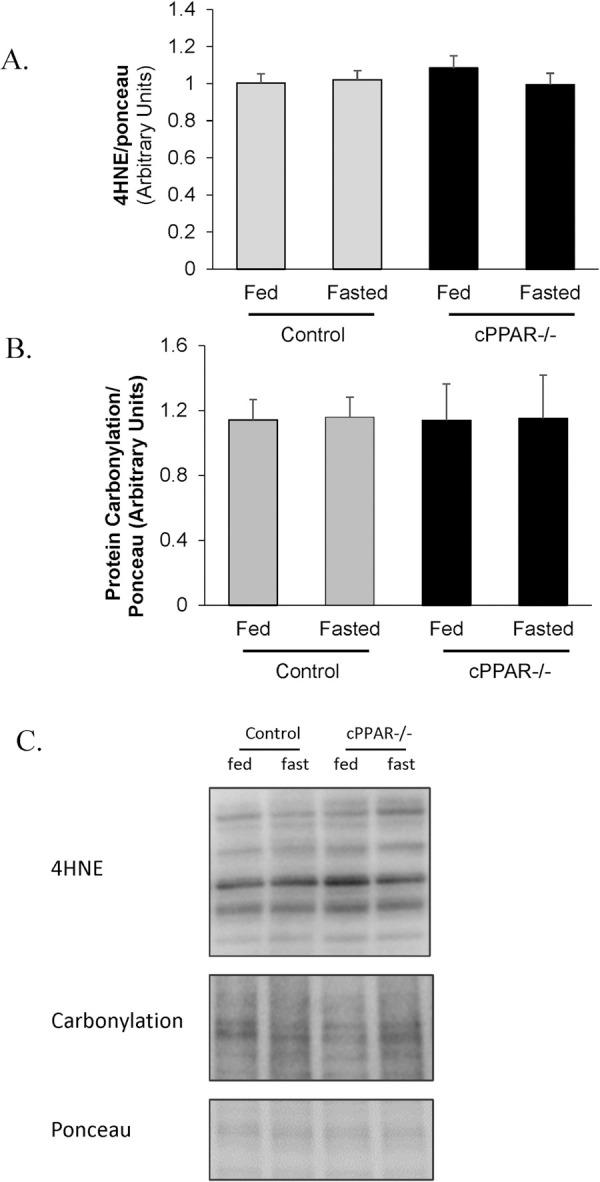
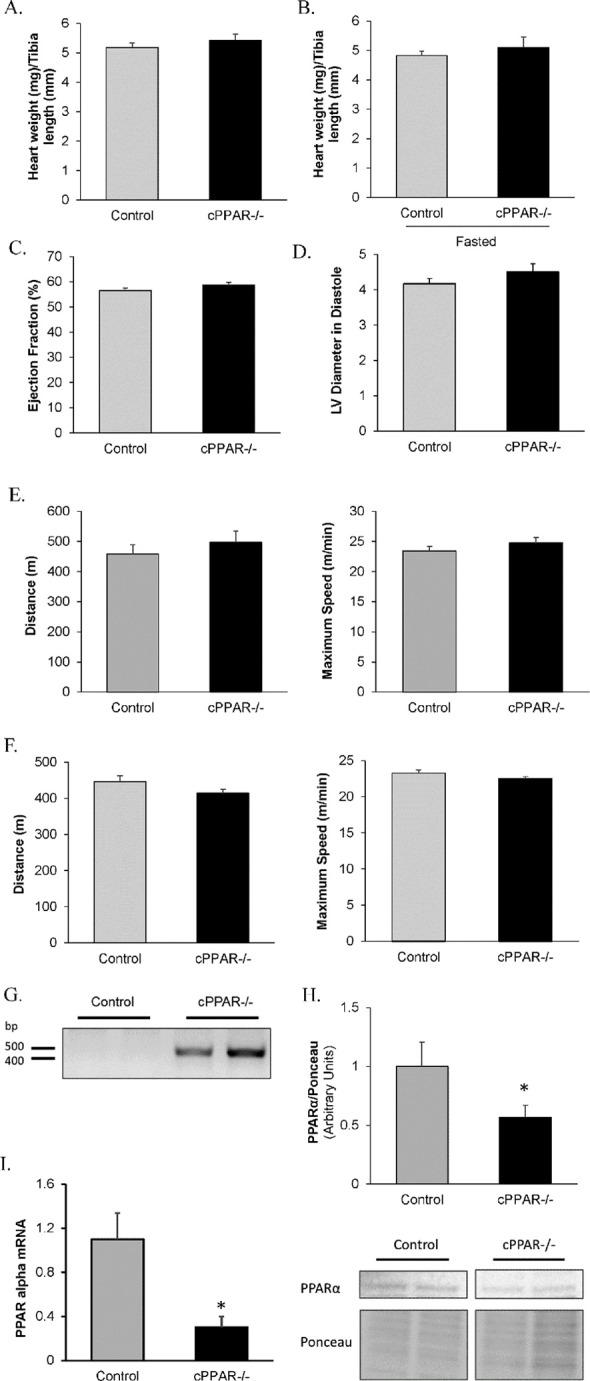
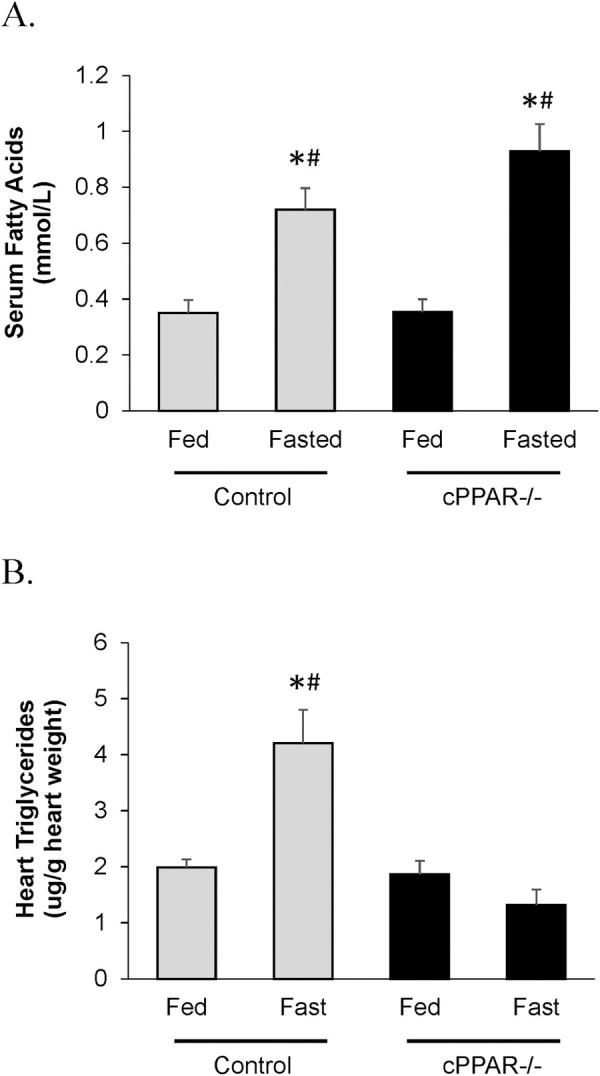
While fatty acid metabolism is altered under physiological conditions, alterations can also be maladaptive in diseases such as diabetes and heart failure. Peroxisome Proliferator Activated Receptor α (PPARα) is a transcription factor that regulates fat metabolism but its role in regulating lipid storage in the heart is unclear. The aim of this study is to improve our understanding of how cardiac PPARα regulates cardiac health and lipid accumulation. To study the role of cardiac PPARα, tamoxifen inducible cardiac-specific PPARα knockout mouse (cPPAR-/-) were treated for 5 days with tamoxifen and then studied after 1-2 months. Under baseline conditions, cPPAR-/- mice appear healthy with normal body weight and mortality is not altered. Importantly, cardiac hypertrophy or reduced cardiac function was also not observed at baseline. Mice were fasted to elevate circulating fatty acids and induce cardiac lipid accumulation. After fasting, cPPAR-/- mice had dramatically lower cardiac triglyceride levels than control mice. Interestingly, cPPAR-/- hearts also had reduced Plin2, a key protein involved in lipid accumulation and lipid droplet regulation, which may contribute to the reduction in cardiac lipid accumulation. Overall, this suggests that a decline in cardiac PPARα may blunt cardiac lipid accumulation by decreasing Plin2 and that independent of differences in systemic metabolism a decline in cardiac PPARα does not seem to drive pathological changes in the heart.
在生理条件下,脂肪酸代谢会发生改变,但在糖尿病和心力衰竭等疾病中,这种改变也可能是适应不良的。过氧化物酶体增殖物激活受体α(PPARα)是一种调节脂肪代谢的转录因子,但它在调节心脏脂质储存中的作用尚不清楚。本研究旨在提高我们对心脏 PPARα 如何调节心脏健康和脂质积累的理解。为了研究心脏 PPARα 的作用,用他莫昔芬诱导的心脏特异性 PPARα 敲除小鼠(cPPAR-/-)进行了为期 5 天的他莫昔芬处理,然后在 1-2 个月后进行了研究。在基础条件下,cPPAR-/-小鼠看起来健康,体重正常,死亡率没有改变。重要的是,在基础条件下也没有观察到心脏肥大或心功能降低。禁食可升高循环脂肪酸并诱导心脏脂质积累。禁食后,cPPAR-/-小鼠的心脏三酰甘油水平明显低于对照组小鼠。有趣的是,cPPAR-/-心脏的 Plin2 也减少了,Plin2 是参与脂质积累和脂滴调节的关键蛋白,这可能导致心脏脂质积累减少。总的来说,这表明心脏 PPARα 的下降可能通过减少 Plin2 来减轻心脏脂质积累,并且独立于系统代谢的差异,心脏 PPARα 的下降似乎不会导致心脏的病理变化。

 Zotero 插件