
2022 年黏液阻塞性肺病的痰和黏液评估方法:是时候“摆脱”我们的日常习惯了!
Methods of Sputum and Mucus Assessment for Muco-Obstructive Lung Diseases in 2022: Time to "Unplug" from Our Daily Routine!
机构信息
Department of Respiratory Diseases, Arnaud de Villeneuve Hospital, Montpellier University Hospital, CEDEX 5, 34295 Montpellier, France.
PhyMedExp, University of Montpellier, INSERM U1046, CEDEX 5, 34295 Montpellier, France.
出版信息
Cells. 2022 Feb 25;11(5):812. doi: 10.3390/cells11050812.
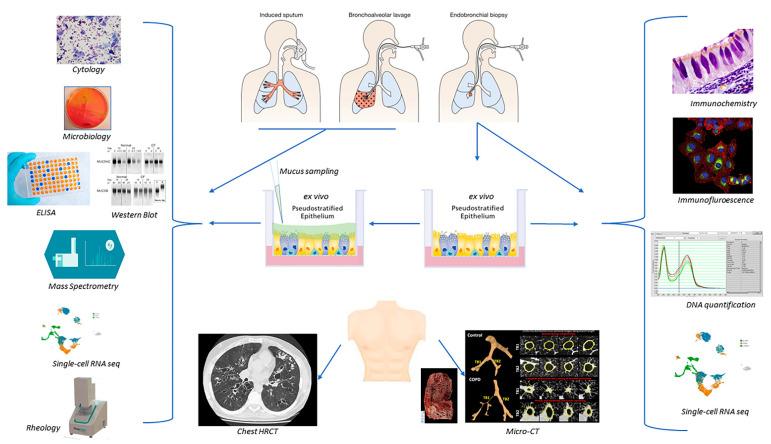
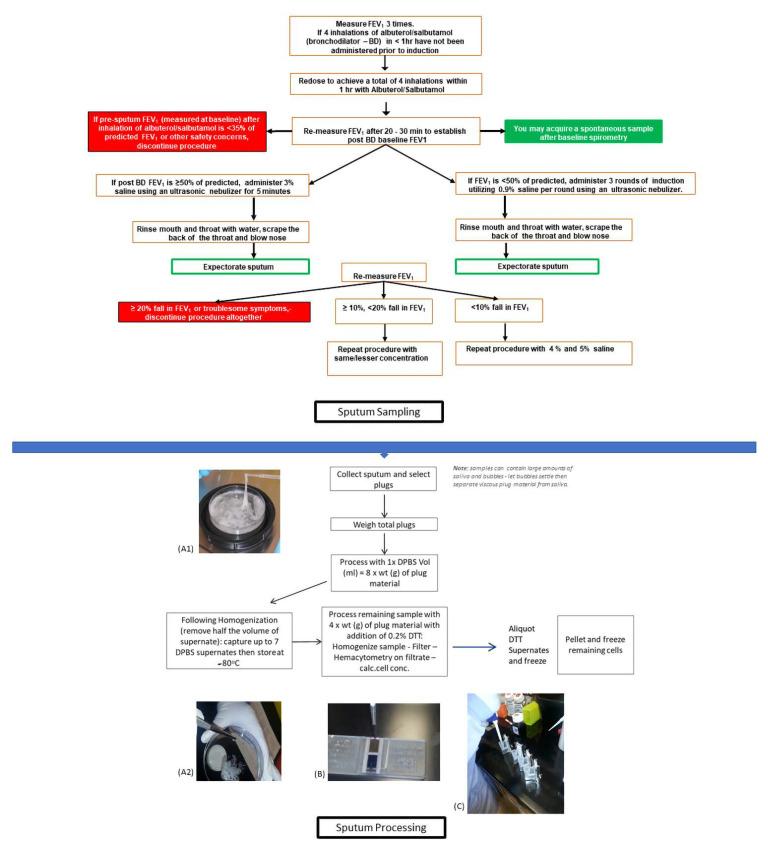
Obstructive lung diseases, such as chronic obstructive pulmonary disease, asthma, or non-cystic fibrosis bronchiectasis, share some major pathophysiological features: small airway involvement, dysregulation of adaptive and innate pulmonary immune homeostasis, mucus hyperproduction, and/or hyperconcentration. Mucus regulation is particularly valuable from a therapeutic perspective given it contributes to airflow obstruction, symptom intensity, disease severity, and to some extent, disease prognosis in these diseases. It is therefore crucial to understand the mucus constitution of our patients, its behavior in a stable state and during exacerbation, and its regulatory mechanisms. These are all elements representing potential therapeutic targets, especially in the era of biologics. Here, we first briefly discuss the composition and characteristics of sputum. We focus on mucus and mucins, and then elaborate on the different sample collection procedures and how their quality is ensured. We then give an overview of the different direct analytical techniques available in both clinical routine and more experimental settings, giving their advantages and limitations. We also report on indirect mucus assessment procedures (questionnaires, high-resolution computed tomography scanning of the chest, lung function tests). Finally, we consider ways of integrating these techniques with current and future therapeutic options. Cystic fibrosis will not be discussed given its monogenic nature.
阻塞性肺疾病,如慢性阻塞性肺疾病、哮喘或非囊性纤维化性支气管扩张症,具有一些主要的病理生理特征:小气道受累、适应性和固有肺免疫稳态失调、黏液过度产生和/或高浓度。从治疗的角度来看,黏液调节尤其有价值,因为它导致气流阻塞、症状强度、疾病严重程度,在一定程度上还影响这些疾病的预后。因此,了解患者的黏液组成、其在稳定状态和加重期间的行为以及其调节机制至关重要。这些都是潜在治疗靶点的要素,特别是在生物制剂时代。在这里,我们首先简要讨论痰的组成和特征。我们重点介绍黏液和黏蛋白,然后详细阐述不同的样本采集程序及其质量如何得到保证。然后,我们概述了在临床常规和更实验环境中可用的不同直接分析技术,介绍了它们的优缺点。我们还报告了间接黏液评估程序(问卷、胸部高分辨率计算机断层扫描、肺功能测试)。最后,我们考虑了将这些技术与当前和未来的治疗选择相结合的方法。鉴于囊性纤维化是一种单基因疾病,因此不会对其进行讨论。

 Zotero 插件