
埃塞俄比亚结核病患者诊断延迟的程度及决定因素:一项系统评价与荟萃分析:2020年
Magnitude and determinants of delay in diagnosis of tuberculosis patients in Ethiopia: a systematic review and meta-analysis: 2020.
作者信息
Fetensa Getahun, Wirtu Desalegn, Etana Belachew, Tolossa Tadesse, Wakuma Bizuneh
机构信息
Department of Nursing, School of Nursing and Midwifery, Institute of Health Sciences Wollega University, Nekemte, Ethiopia.
Department of Health, Behavior and Society, Institute of Health, Jimma University, Jimma, Ethiopia.
出版信息
Arch Public Health. 2022 Mar 14;80(1):78. doi: 10.1186/s13690-022-00837-y.
BACKGROUND
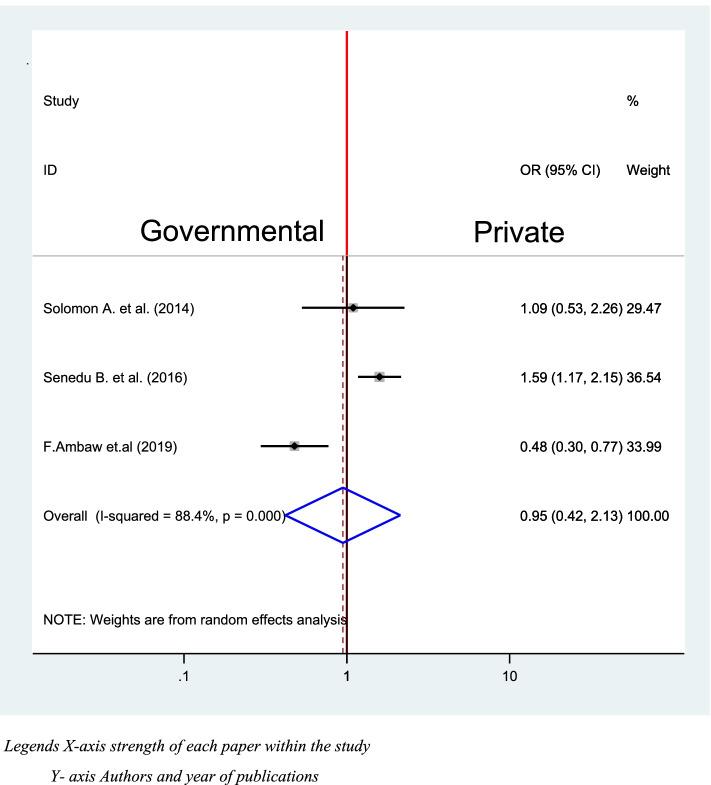
Tuberculosis (TB) remains a main public health concern in the world resulting in significant morbidity and mortality as well as in Ethiopia. In Ethiopia, there are various primary studies with inconsistent findings. Delay in the diagnosis of TB is determined by different factors like the type of TB, marital status, TB-HIV co-infection, employment status, place of residence, educational status, type of first visited a health facility, and gender of the patient. This review will produce pooled evidence on delay in diagnosis and associated factors among TB that might have huge public health impacts, like unfavorable treatment outcomes, increase transmission of the disease in the community for better intervention.
METHODS
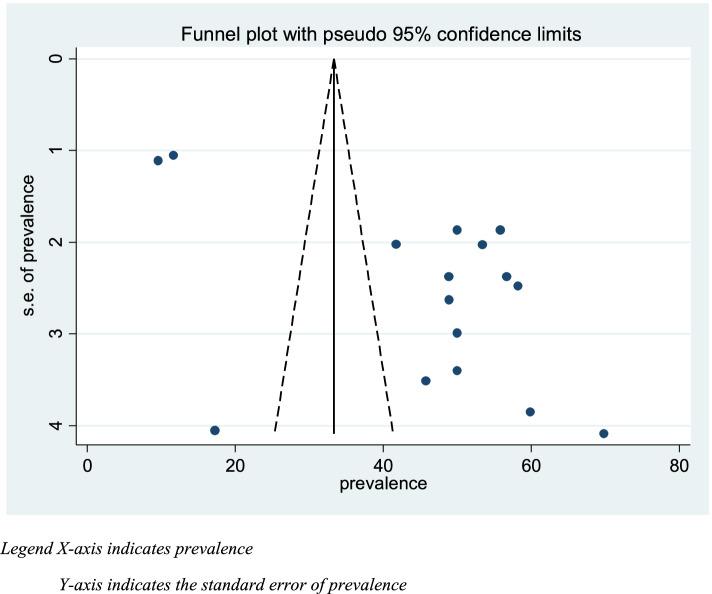
The presence of systematic reviews and meta-analysis on similar topics was checked and the topic was registered on PROSPERO to prevent duplication with the registration number of (CRD42020158963). Both published and unpublished studies conducted in Ethiopia from 2002 to April 1 2020 were searched thoroughly using electronic databases. Data were analyzed using STATA version 14. Heterogeneity was checked by using I and Cochrane Q test. In the presence of heterogeneity, a random effect model was employed to estimate the pooled magnitude and determinants of diagnosis delay of TB. Publication bias was checked by using the graphical funnel plot and Egger's statistical test.
RESULT
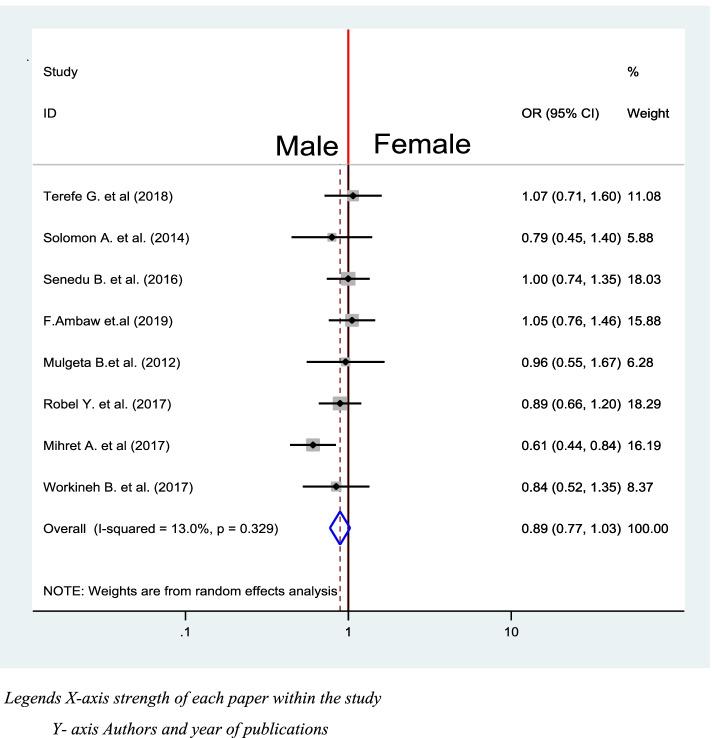
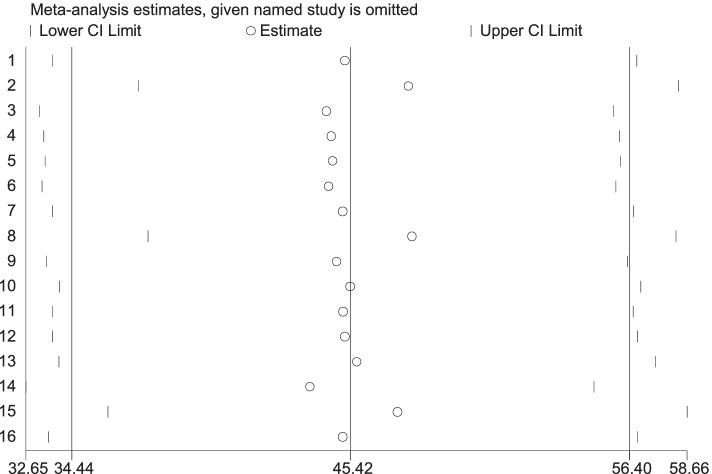
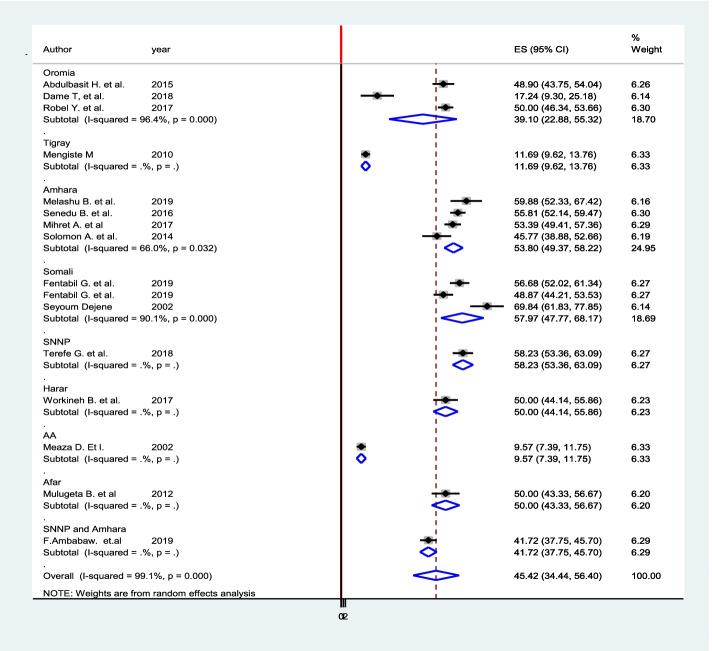
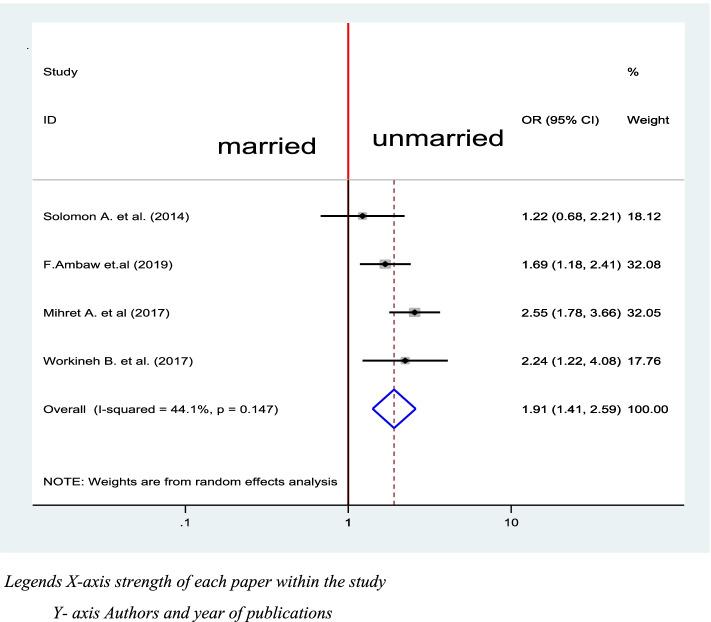
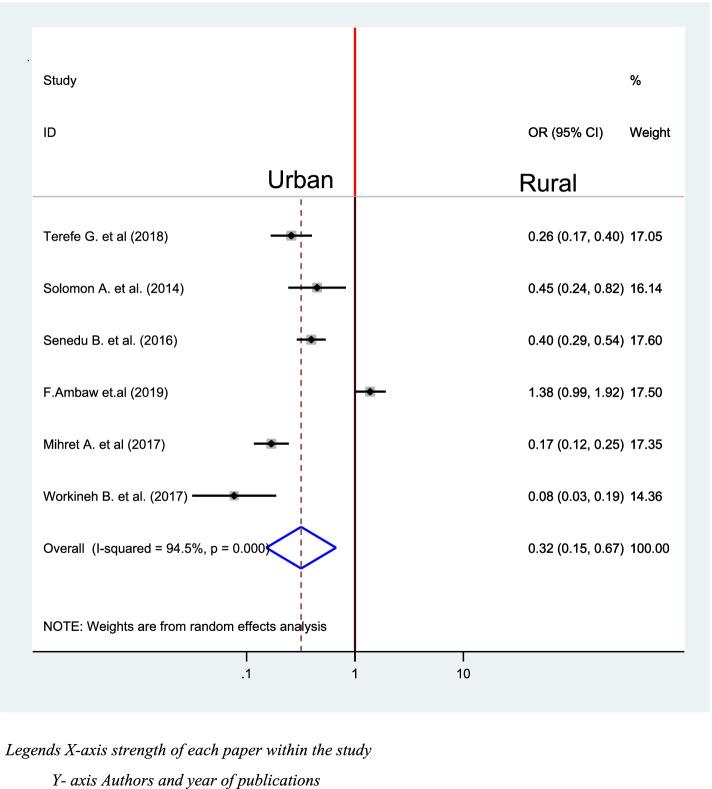
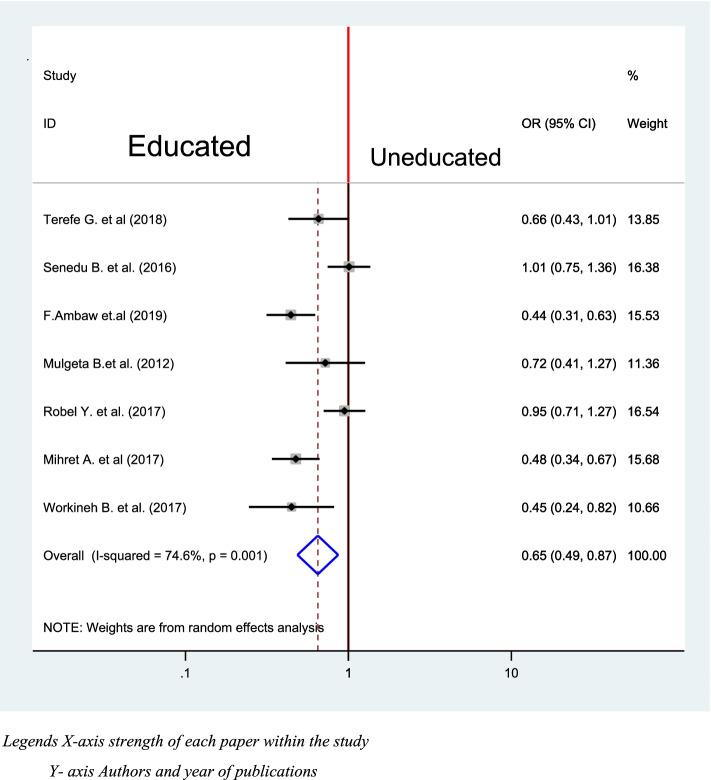
The Pooled magnitude of tuberculosis diagnosis delay in Ethiopia was 45.42% [95%CI 34.44, 56.40]. Residing in urban, having educational status and patients with positive serostatus were protective against TB diagnostic delay while having extra-pulmonary TB and not being married were risk factors for delaying TB diagnosis.
CONCLUSION
TB diagnosis delays in Ethiopia are significantly high. Sociodemographic and institutional factors were significantly contributing to the delay. Therefore, national TB control programs need to identify and address gaps, barriers, and weaknesses along the entire patient care cascade, to improve appropriately.
背景
结核病仍然是全球主要的公共卫生问题,在埃塞俄比亚也导致了大量的发病和死亡。在埃塞俄比亚,有各种初步研究,结果不一致。结核病诊断延迟由多种因素决定,如结核病类型、婚姻状况、结核病与艾滋病病毒合并感染、就业状况、居住地点、教育程度、首次就诊的医疗机构类型以及患者性别。本综述将提供关于结核病诊断延迟及其相关因素的汇总证据,这些因素可能对公共卫生产生巨大影响,如不良的治疗结果、增加疾病在社区中的传播,以便进行更好的干预。
方法
检查了关于类似主题的系统评价和荟萃分析的存在情况,并在PROSPERO上注册了该主题,以防止重复,注册号为(CRD42020158963)。使用电子数据库全面检索了2002年至2020年4月1日在埃塞俄比亚进行的已发表和未发表的研究。使用STATA 14版本进行数据分析。使用I²和Cochrane Q检验检查异质性。在存在异质性的情况下,采用随机效应模型来估计结核病诊断延迟的汇总幅度和决定因素。使用图形漏斗图和Egger统计检验检查发表偏倚。
结果
埃塞俄比亚结核病诊断延迟的汇总幅度为45.42%[95%置信区间34.44,56.40]。居住在城市、有教育程度以及血清学状态为阳性的患者可预防结核病诊断延迟,而患有肺外结核病和未婚是结核病诊断延迟的危险因素。
结论
埃塞俄比亚的结核病诊断延迟率显著较高。社会人口学和机构因素对延迟有显著影响。因此,国家结核病控制项目需要识别并解决整个患者护理流程中的差距、障碍和弱点,以进行适当改进。





 Zotero 插件