
肺囊性棘球蚴病囊液的蛋白质组学分析
Proteomic profiling of hydatid fluid from pulmonary cystic echinococcosis.
作者信息
Dos Santos Guilherme Brzoskowski, da Silva Edileuza Danieli, Kitano Eduardo Shigueo, Battistella Maria Eduarda, Monteiro Karina Mariante, de Lima Jeferson Camargo, Ferreira Henrique Bunselmeyer, Serrano Solange Maria de Toledo, Zaha Arnaldo
机构信息
Laboratório de Biologia Molecular de Cestódeos, Centro de Biotecnologia, Universidade Federal do Rio Grande do Sul, Porto Alegre, Brazil.
Laboratório de Toxinologia Aplicada, Center of Toxins, Immune-Response and Cell Signaling (CeTICS), Instituto Butantan, São Paulo, Brazil.
出版信息
Parasit Vectors. 2022 Mar 21;15(1):99. doi: 10.1186/s13071-022-05232-8.
BACKGROUND
Most cystic echinococcosis cases in Southern Brazil are caused by Echinococcus granulosus and Echinococcus ortleppi. Proteomic studies of helminths have increased our knowledge about the molecular survival strategies that are used by parasites. Here, we surveyed the protein content of the hydatid fluid compartment in E. granulosus and E. ortleppi pulmonary bovine cysts to better describe and compare their molecular arsenal at the host-parasite interface.
METHODS
Hydatid fluid samples from three isolates of each species were analyzed using mass spectrometry-based proteomics (LC-MS/MS). In silico functional analyses of the identified proteins were performed to examine parasite survival strategies.
RESULTS
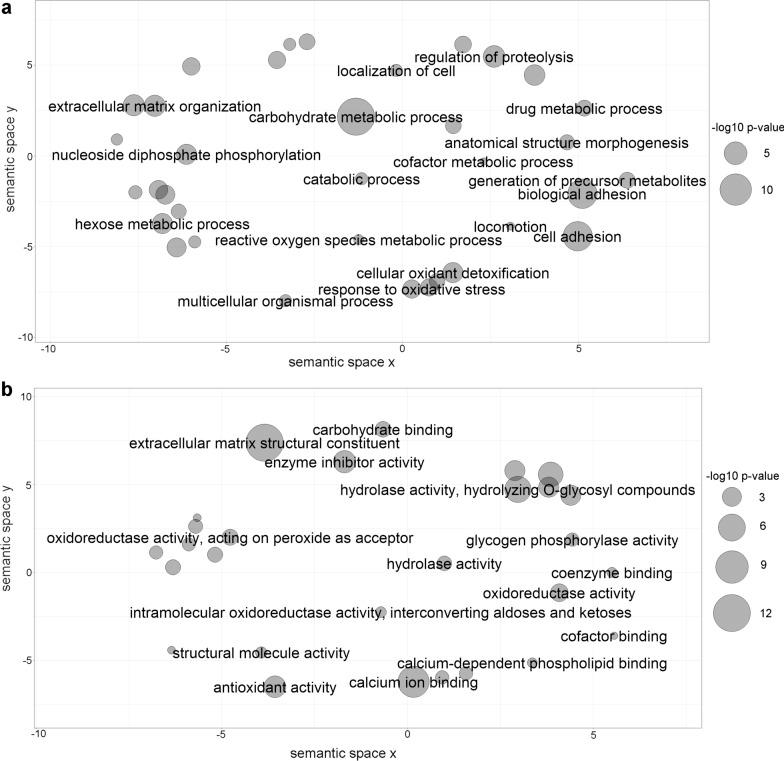
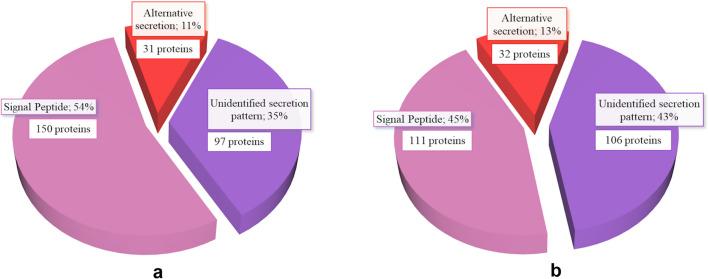
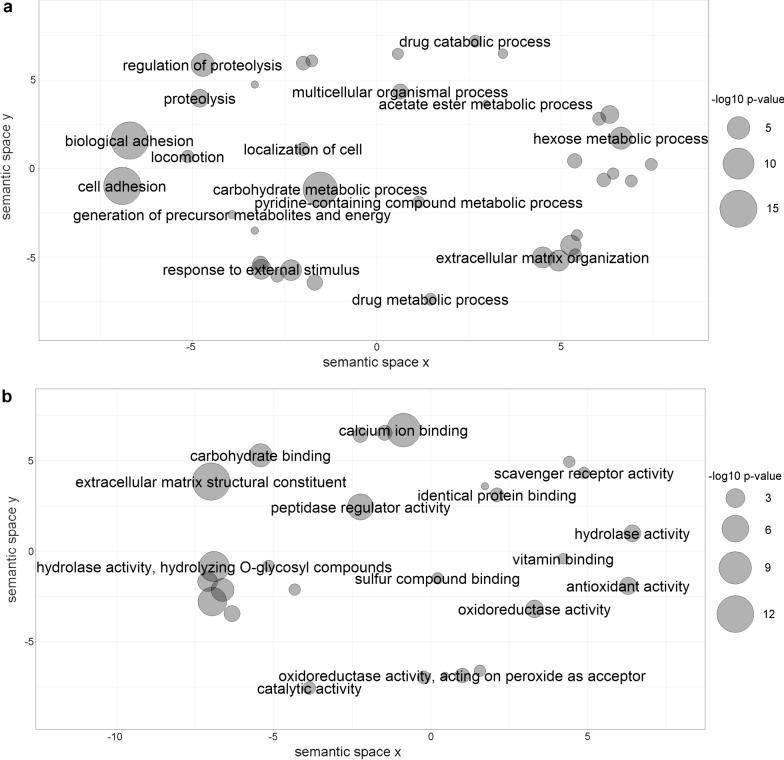
The identified hydatid fluid protein profiles showed a predominance of parasite proteins compared to host proteins that infiltrate the cysts. We identified 280 parasitic proteins from E. granulosus and 251 from E. ortleppi, including 52 parasitic proteins that were common to all hydatid fluid samples. The in silico functional analysis revealed important molecular functions and processes that are active in pulmonary cystic echinococcosis, such as adhesion, extracellular structures organization, development regulation, signaling transduction, and enzyme activity.
CONCLUSIONS
The protein profiles described here provide evidence of important mechanisms related to basic cellular processes and functions that act at the host-parasite interface in cystic echinococcosis. The molecular tools used by E. granulosus and E. ortleppi for survival within the host are potential targets for new therapeutic approaches to treat cystic echinococcosis and other larval cestodiases.
背景
巴西南部的大多数囊型包虫病病例是由细粒棘球绦虫和奥氏棘球绦虫引起的。对蠕虫的蛋白质组学研究增加了我们对寄生虫所采用的分子生存策略的了解。在此,我们调查了细粒棘球绦虫和奥氏棘球绦虫肺牛囊肿中囊液部分的蛋白质含量,以更好地描述和比较它们在宿主 - 寄生虫界面处的分子武器库。
方法
使用基于质谱的蛋白质组学(液相色谱 - 串联质谱法,LC - MS/MS)分析来自每个物种的三个分离株的囊液样本。对鉴定出的蛋白质进行计算机功能分析,以研究寄生虫的生存策略。
结果
与渗入囊肿的宿主蛋白质相比,鉴定出的囊液蛋白质谱显示寄生虫蛋白质占主导。我们从细粒棘球绦虫中鉴定出280种寄生虫蛋白质,从奥氏棘球绦虫中鉴定出251种,其中包括所有囊液样本共有的52种寄生虫蛋白质。计算机功能分析揭示了在肺囊型包虫病中活跃的重要分子功能和过程,如粘附、细胞外结构组织、发育调控、信号转导和酶活性。
结论
此处描述的蛋白质谱提供了与在囊型包虫病的宿主 - 寄生虫界面起作用的基本细胞过程和功能相关的重要机制的证据。细粒棘球绦虫和奥氏棘球绦虫在宿主体内存活所使用的分子工具是治疗囊型包虫病和其他幼虫绦虫病新治疗方法的潜在靶点。

 Zotero 插件