
基于人诱导多能干细胞分化的心肌细胞(hiPSC-CMs)的慢性心脏毒性检测。
Chronic Cardiotoxicity Assays Using Human Induced Pluripotent Stem Cell-Derived Cardiomyocytes (hiPSC-CMs).
机构信息
Center for Devices and Radiological Health, U.S. Food and Drug Administration, Silver Spring, MD 20993, USA.
Center for Drug Evaluation and Research, U.S. Food and Drug Administration, Silver Spring, MD 20993, USA.
出版信息
Int J Mol Sci. 2022 Mar 16;23(6):3199. doi: 10.3390/ijms23063199.
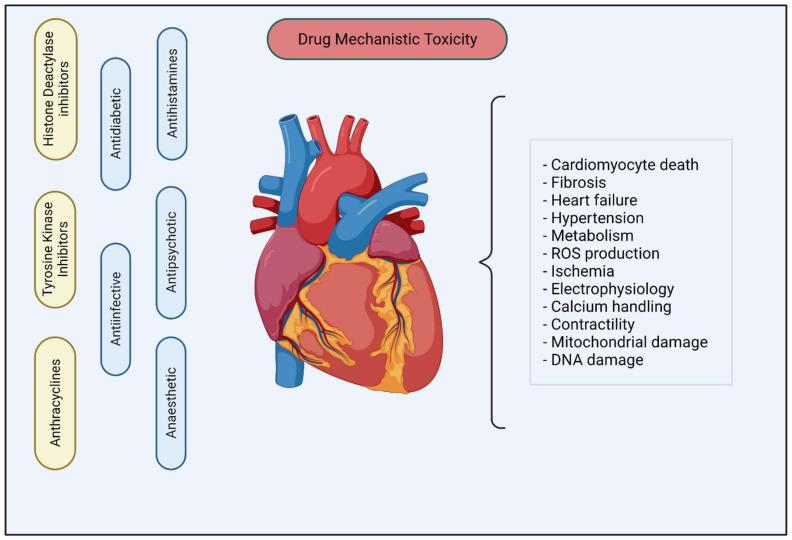
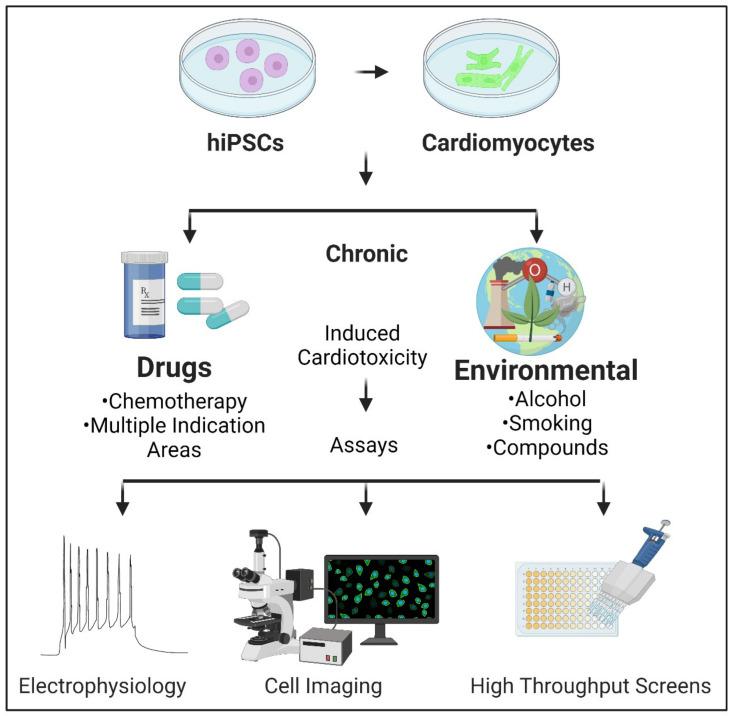
Cardiomyocytes (CMs) differentiated from human induced pluripotent stem cells (hiPSCs) are increasingly used in cardiac safety assessment, disease modeling and regenerative medicine. A vast majority of cardiotoxicity studies in the past have tested acute effects of compounds and drugs; however, these studies lack information on the morphological or physiological responses that may occur after prolonged exposure to a cardiotoxic compound. In this review, we focus on recent advances in chronic cardiotoxicity assays using hiPSC-CMs. We summarize recently published literature on hiPSC-CMs assays applied to chronic cardiotoxicity induced by anticancer agents, as well as non-cancer classes of drugs, including antibiotics, anti-hepatitis C virus (HCV) and antidiabetic drugs. We then review publications on the implementation of hiPSC-CMs-based assays to investigate the effects of non-pharmaceutical cardiotoxicants, such as environmental chemicals or chronic alcohol consumption. We also highlight studies demonstrating the chronic effects of smoking and implementation of hiPSC-CMs to perform genomic screens and metabolomics-based biomarker assay development. The acceptance and wide implementation of hiPSC-CMs-based assays for chronic cardiotoxicity assessment will require multi-site standardization of assay protocols, chronic cardiac maturity marker reproducibility, time points optimization, minimal cellular variation (commercial vs. lab reprogrammed), stringent and matched controls and close clinical setting resemblance. A comprehensive investigation of long-term repeated exposure-induced effects on both the structure and function of cardiomyocytes can provide mechanistic insights and recapitulate drug and environmental cardiotoxicity.
心肌细胞(CMs)来源于人诱导多能干细胞(hiPSCs),越来越多地用于心脏安全性评估、疾病建模和再生医学。过去绝大多数的心脏毒性研究都测试了化合物和药物的急性效应;然而,这些研究缺乏关于在长时间暴露于心脏毒性化合物后可能发生的形态或生理反应的信息。在这篇综述中,我们重点介绍了使用 hiPSC-CMs 进行慢性心脏毒性测定的最新进展。我们总结了最近发表的关于 hiPSC-CMs 测定法应用于抗癌药物以及非癌症类药物(包括抗生素、抗丙型肝炎病毒(HCV)和抗糖尿病药物)引起的慢性心脏毒性的文献。然后,我们审查了关于实施基于 hiPSC-CMs 的测定法来研究非药物性心脏毒性剂(如环境化学物质或慢性酒精摄入)影响的出版物。我们还强调了证明吸烟的慢性影响以及实施 hiPSC-CMs 进行基因组筛选和基于代谢组学的生物标志物测定法开发的研究。接受和广泛实施基于 hiPSC-CMs 的测定法进行慢性心脏毒性评估将需要对测定法协议进行多站点标准化、心脏成熟标志物的重复性、时间点优化、细胞最小变异(商业与实验室重编程)、严格和匹配对照以及紧密的临床环境相似性。对长期重复暴露对心肌细胞的结构和功能的诱导效应进行全面研究,可以提供机制见解并再现药物和环境心脏毒性。

 Zotero 插件