
非酒精性脂肪性肝病和脂肪性肝炎中的NLRP3炎性小体:治疗靶点与治疗方法
The NLRP3 Inflammasome in Non-Alcoholic Fatty Liver Disease and Steatohepatitis: Therapeutic Targets and Treatment.
作者信息
Yu Lili, Hong Wei, Lu Shen, Li Yanrong, Guan Yaya, Weng Xiaogang, Feng Zhiwei
机构信息
School of Basic Medical Sciences, Xinxiang Medical University, Xinxiang, China.
Institute of Precision Medicine, Xinxiang Medical University, Xinxiang, China.
出版信息
Front Pharmacol. 2022 Mar 8;13:780496. doi: 10.3389/fphar.2022.780496. eCollection 2022.
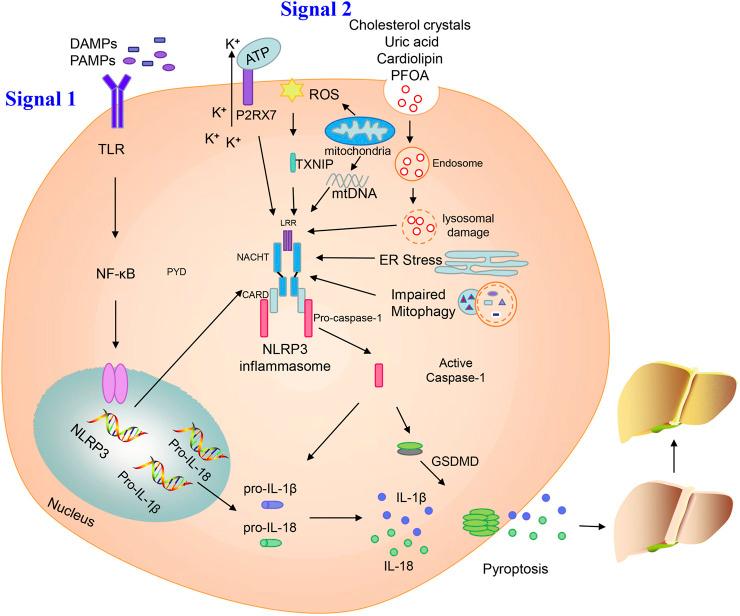
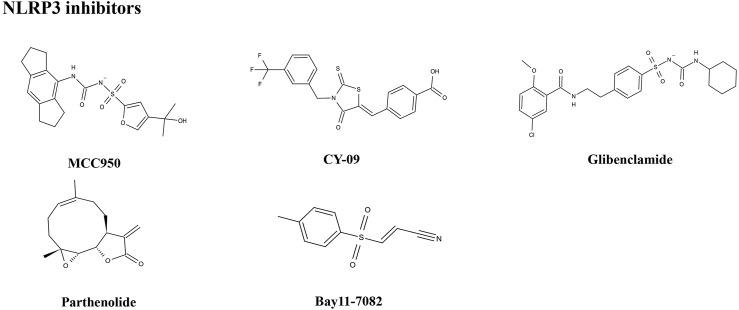
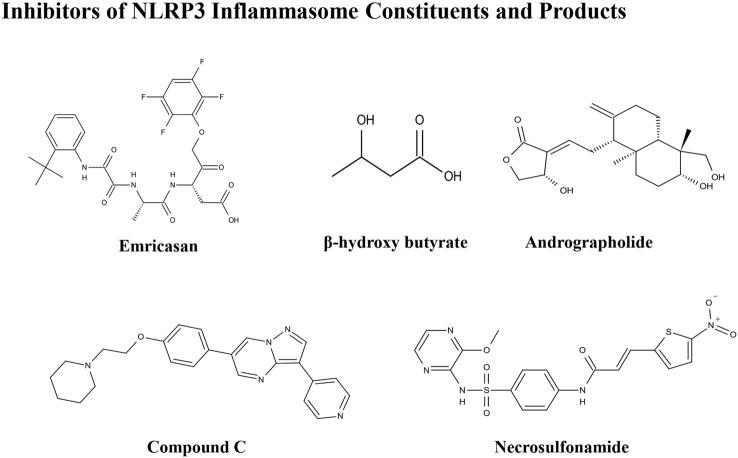
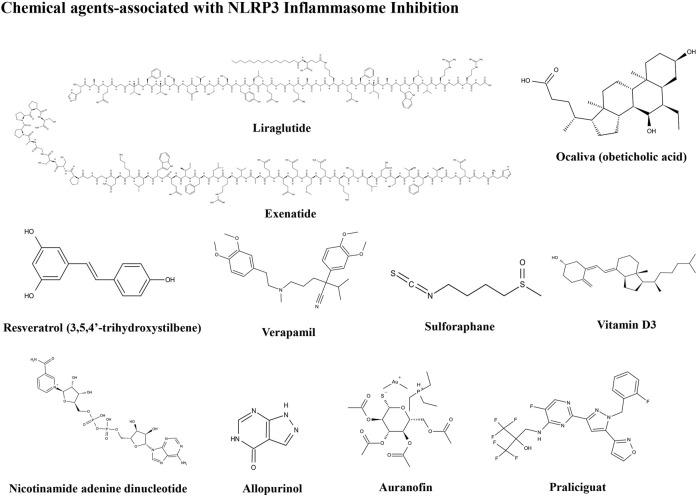
Non-alcoholic fatty liver disease (NAFLD) is among the most prevalent primary liver diseases worldwide and can develop into various conditions, ranging from simple steatosis, through non-alcoholic steatohepatitis (NASH), to fibrosis, and eventually cirrhosis and hepatocellular carcinoma. Nevertheless, there is no effective treatment for NAFLD due to the complicated etiology. Recently, activation of the NLPR3 inflammasome has been demonstrated to be a contributing factor in the development of NAFLD, particularly as a modulator of progression from initial hepatic steatosis to NASH. NLRP3 inflammasome, as a caspase-1 activation platform, is critical for processing key pro-inflammatory cytokines and pyroptosis. Various stimuli involved in NAFLD can activate the NLRP3 inflammasome, depending on the diverse cellular stresses that they cause. NLRP3 inflammasome-related inhibitors and agents for NAFLD treatment have been tested and demonstrated positive effects in experimental models. Meanwhile, some drugs have been applied in clinical studies, supporting this therapeutic approach. In this review, we discuss the activation, biological functions, and treatment targeting the NLRP3 inflammasome in the context of NAFLD progression. Specifically, we focus on the different types of therapeutic agents that can inhibit the NLRP3 inflammasome and summarize their pharmacological effectiveness for NAFLD treatment.
非酒精性脂肪性肝病(NAFLD)是全球最常见的原发性肝脏疾病之一,可发展为多种病症,从单纯性脂肪变性,到非酒精性脂肪性肝炎(NASH),再到纤维化,最终发展为肝硬化和肝细胞癌。然而,由于病因复杂,目前尚无有效的NAFLD治疗方法。最近,已有研究表明NLRP3炎性小体的激活是NAFLD发生发展的一个促成因素,特别是作为从初始肝脂肪变性进展到NASH的调节因子。NLRP3炎性小体作为一种半胱天冬酶-1激活平台,对于加工关键促炎细胞因子和细胞焦亡至关重要。NAFLD中涉及的各种刺激可激活NLRP3炎性小体,这取决于它们所引起的不同细胞应激。针对NAFLD治疗的NLRP3炎性小体相关抑制剂和药物已在实验模型中进行了测试,并显示出积极效果。同时,一些药物已应用于临床研究,支持了这种治疗方法。在本综述中,我们讨论了在NAFLD进展背景下NLRP3炎性小体的激活、生物学功能及治疗靶点。具体而言,我们重点关注了能够抑制NLRP3炎性小体的不同类型治疗药物,并总结了它们对NAFLD治疗的药理效果。

 Zotero 插件