
药物转运蛋白的调控:从机制到临床影响——国际转运蛋白联合会白皮书
Regulation of Drug Transport Proteins-From Mechanisms to Clinical Impact: A White Paper on Behalf of the International Transporter Consortium.
机构信息
Division of Pharmacotherapy and Experimental Therapeutics, UNC Eshelman School of Pharmacy, University of North Carolina at Chapel Hill, Chapel Hill, North Carolina, USA.
Preclinical Sciences and Translational Safety, Johnson & Johnson, Janssen Pharmaceuticals, Spring House, Pennsylvania, USA.
出版信息
Clin Pharmacol Ther. 2022 Sep;112(3):461-484. doi: 10.1002/cpt.2605. Epub 2022 May 24.
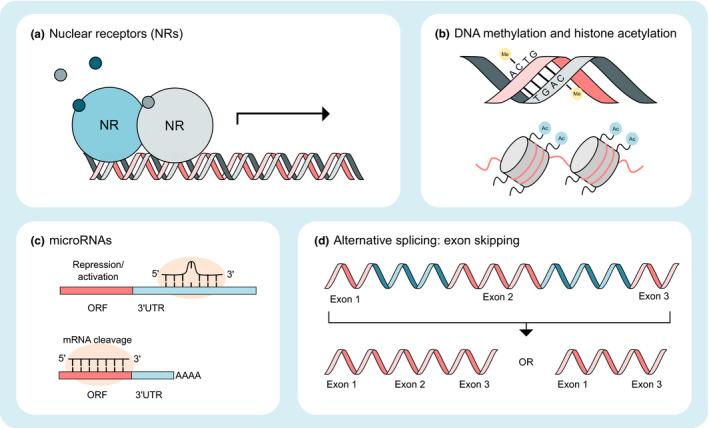
Membrane transport proteins are involved in the absorption, disposition, efficacy, and/or toxicity of many drugs. Numerous mechanisms (e.g., nuclear receptors, epigenetic gene regulation, microRNAs, alternative splicing, post-translational modifications, and trafficking) regulate transport protein levels, localization, and function. Various factors associated with disease, medications, and dietary constituents, for example, may alter the regulation and activity of transport proteins in the intestine, liver, kidneys, brain, lungs, placenta, and other important sites, such as tumor tissue. This white paper reviews key mechanisms and regulatory factors that alter the function of clinically relevant transport proteins involved in drug disposition. Current considerations with in vitro and in vivo models that are used to investigate transporter regulation are discussed, including strengths, limitations, and the inherent challenges in predicting the impact of changes due to regulation of one transporter on compensatory pathways and overall drug disposition. In addition, translation and scaling of in vitro observations to in vivo outcomes are considered. The importance of incorporating altered transporter regulation in modeling and simulation approaches to predict the clinical impact on drug disposition is also discussed. Regulation of transporters is highly complex and, therefore, identification of knowledge gaps will aid in directing future research to expand our understanding of clinically relevant molecular mechanisms of transporter regulation. This information is critical to the development of tools and approaches to improve therapeutic outcomes by predicting more accurately the impact of regulation-mediated changes in transporter function on drug disposition and response.
膜转运蛋白参与许多药物的吸收、分布、疗效和/或毒性。许多机制(如核受体、表观遗传基因调控、microRNAs、选择性剪接、翻译后修饰和转运)调节转运蛋白的水平、定位和功能。与疾病、药物和饮食成分相关的各种因素可能会改变肠道、肝脏、肾脏、大脑、肺部、胎盘和其他重要部位(如肿瘤组织)中转运蛋白的调节和活性。本白皮书回顾了改变与药物处置相关的临床相关转运蛋白功能的关键机制和调节因素。讨论了目前用于研究转运体调节的体外和体内模型的考虑因素,包括优势、局限性以及由于调节一个转运体而导致的变化对补偿途径和整体药物处置的预测所固有的挑战。此外,还考虑了将体外观察结果转化为体内结果。还讨论了在建模和模拟方法中纳入转运体调节以预测对药物处置的临床影响的重要性。转运体的调节非常复杂,因此,确定知识空白将有助于指导未来的研究,以扩大我们对转运体调节的临床相关分子机制的理解。这些信息对于开发工具和方法至关重要,可通过更准确地预测转运体功能调节变化对药物处置和反应的影响,从而提高治疗效果。
 Zotero 插件