
雌激素受体α(ERα)与 EMT 诱导因子 ZEB1 的协同互作对乳腺癌细胞向骨转移进行重编程。
Cooperative interaction between ERα and the EMT-inducer ZEB1 reprograms breast cancer cells for bone metastasis.
机构信息
Département de Biologie Cellulaire, Université de Genève, Sciences III, 1211, Genève 4, Switzerland.
Department of Biology, Institute of Molecular Health Sciences, ETH Zurich, 8093, Zürich, Switzerland.
出版信息
Nat Commun. 2022 Apr 19;13(1):2104. doi: 10.1038/s41467-022-29723-5.
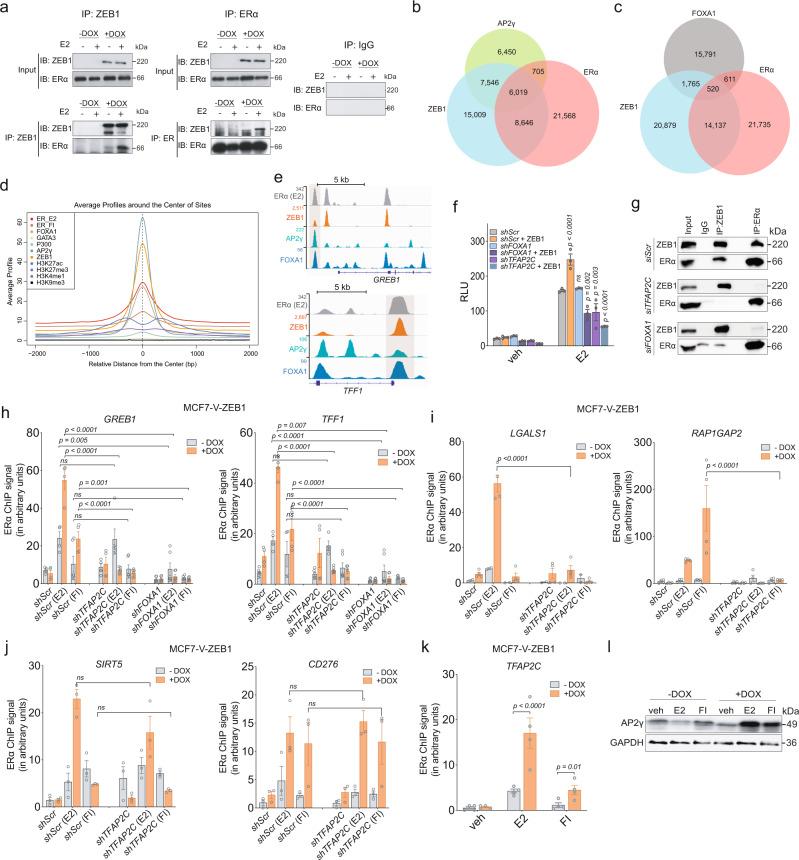
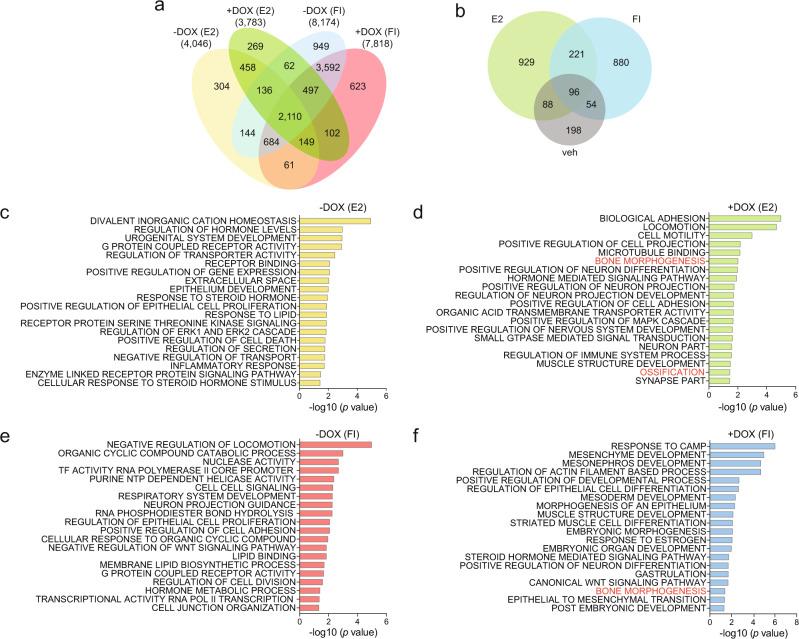
The epithelial to mesenchymal transition (EMT) has been proposed to contribute to the metastatic spread of breast cancer cells. EMT-promoting transcription factors determine a continuum of different EMT states. In contrast, estrogen receptor α (ERα) helps to maintain the epithelial phenotype of breast cancer cells and its expression is crucial for effective endocrine therapies. Determining whether and how EMT-associated transcription factors such as ZEB1 modulate ERα signaling during early stages of EMT could promote the discovery of therapeutic approaches to suppress metastasis. Here we show that, shortly after induction of EMT and while cells are still epithelial, ZEB1 modulates ERα-mediated transcription induced by estrogen or cAMP signaling in breast cancer cells. Based on these findings and our ex vivo and xenograft results, we suggest that the functional interaction between ZEB1 and ERα may alter the tissue tropism of metastatic breast cancer cells towards bone.
上皮间质转化(EMT)被认为有助于乳腺癌细胞的转移扩散。促进 EMT 的转录因子决定了 EMT 状态的连续变化。相比之下,雌激素受体α(ERα)有助于维持乳腺癌细胞的上皮表型,其表达对于有效的内分泌治疗至关重要。确定 EMT 相关转录因子(如 ZEB1)是否以及如何在 EMT 的早期阶段调节 ERα 信号转导,可能有助于发现抑制转移的治疗方法。在这里,我们发现,在 EMT 诱导后不久,当细胞仍然是上皮细胞时,ZEB1 就可以调节雌激素或 cAMP 信号转导诱导的 ERα 介导的转录。基于这些发现和我们的离体和异种移植结果,我们提出 ZEB1 和 ERα 之间的功能相互作用可能会改变转移性乳腺癌细胞向骨骼的组织趋向性。




 Zotero 插件