
鸡蛋和胆固醇摄入量、载脂蛋白E4表型与静脉血栓栓塞风险:一项前瞻性队列研究的结果
Egg and cholesterol intake, apoE4 phenotype and risk of venous thromboembolism: findings from a prospective cohort study.
作者信息
Kunutsor Setor K, Laukkanen Jari A, Virtanen Jyrki K
机构信息
National Institute for Health Research Bristol Biomedical Research Centre, University Hospitals Bristol and Weston NHS Foundation Trust and the University of Bristol, Bristol, UK.
Translational Health Sciences, Bristol Medical School, University of Bristol, Learning & Research Building (Level 1), Southmead Hospital, Bristol, UK.
出版信息
Br J Nutr. 2023 Jan 28;129(2):292-300. doi: 10.1017/S0007114522000988. Epub 2022 Apr 21.
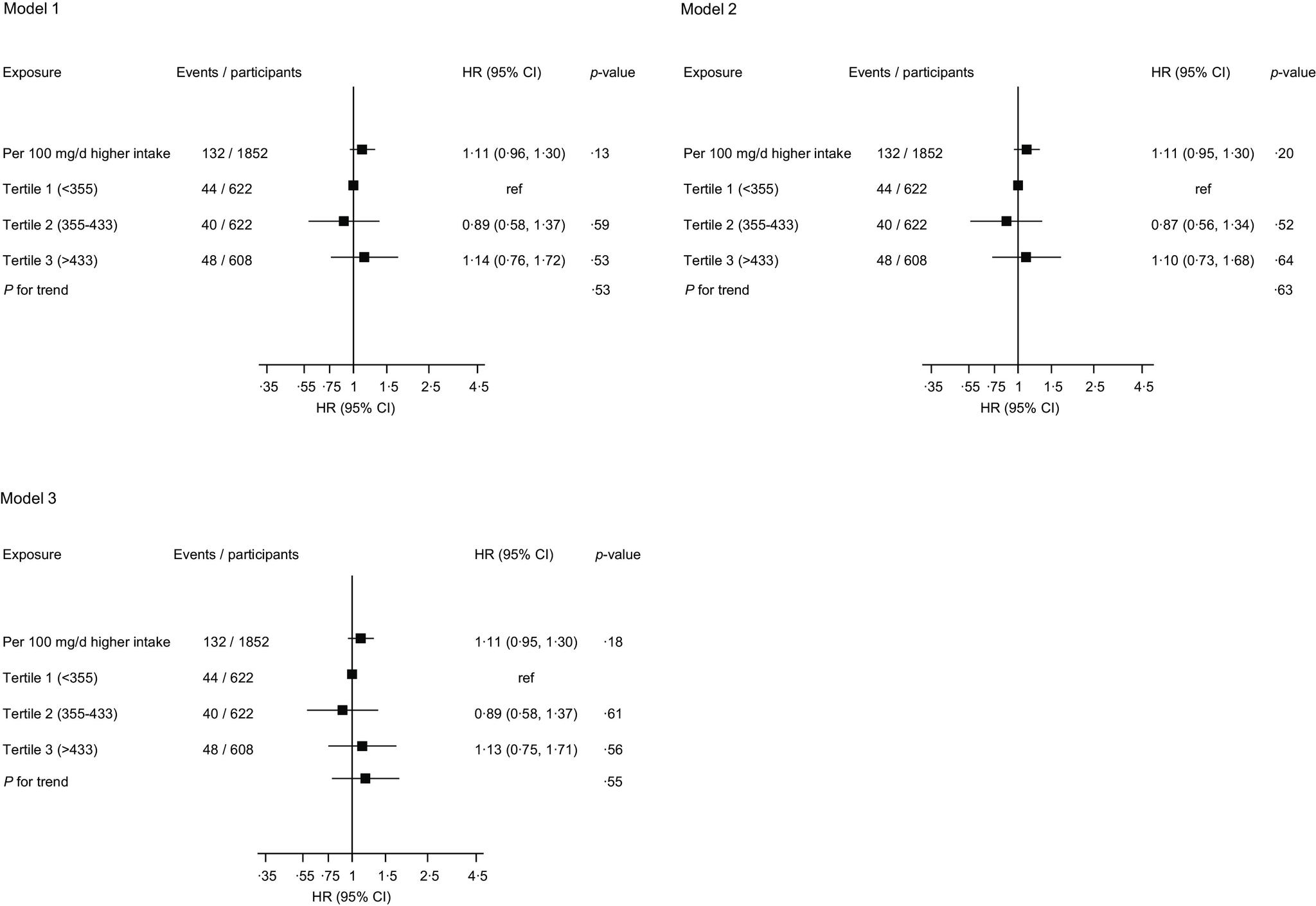
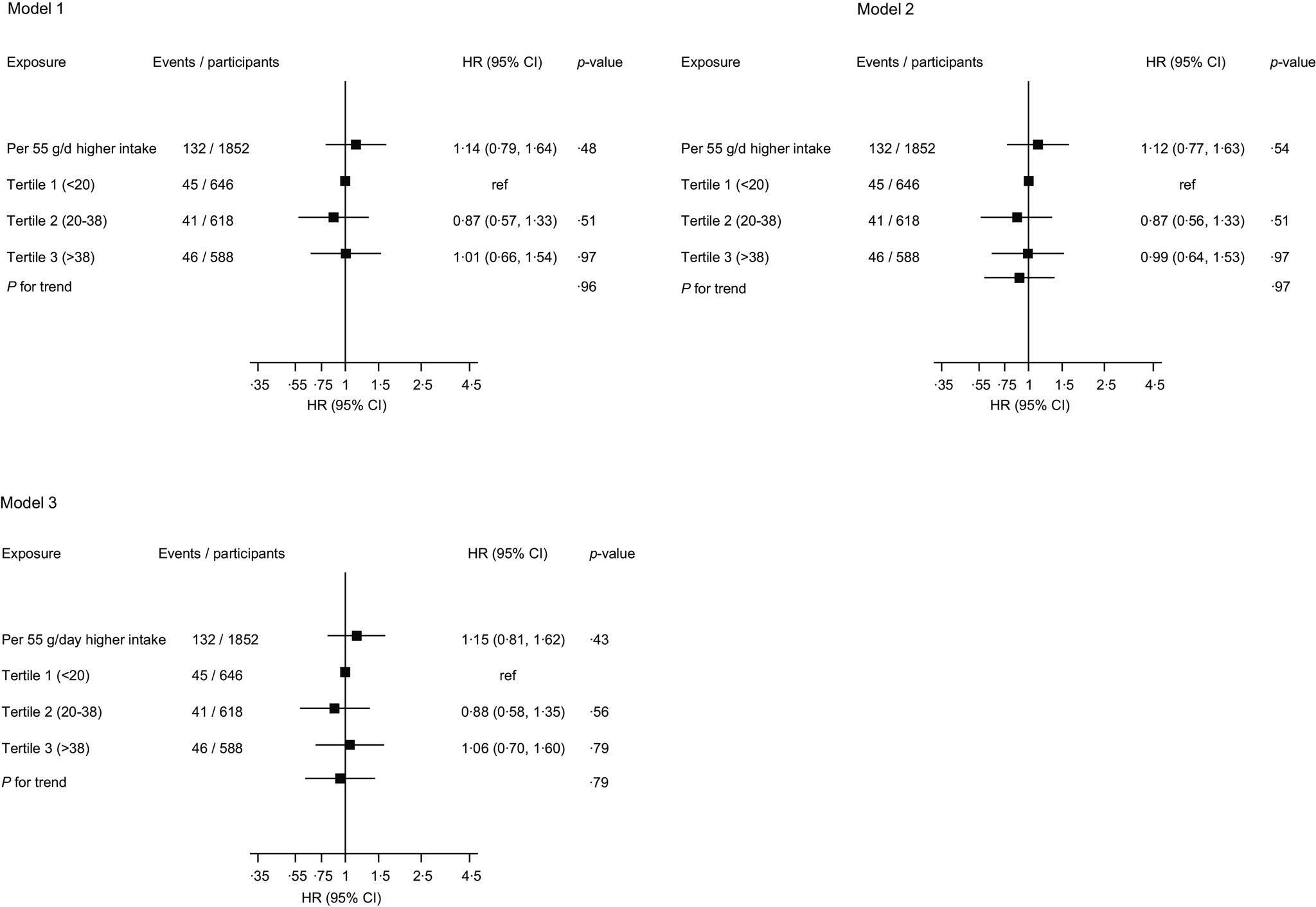
The impact of egg consumption, a major source of dietary cholesterol, on the risk of atherosclerotic cardiovascular diseases (ASCVD) is controversial. Venous thromboembolism (VTE) is a CVD which shares common risk factors and mechanistic pathways with ASCVD. However, there is no data on the relationship between egg or cholesterol intake and VTE risk. Therefore, we evaluated the prospective associations of egg and cholesterol intakes with VTE risk and whether the apoE4 phenotype, which influences cholesterol metabolism, could modify the associations. Data involving 1852 men aged 42-61 years at baseline without a history of VTE or CHD in the population-based Kuopio Ischaemic Heart Disease Risk Factor Study were analysed. Dietary intakes were assessed with 4-d food records. Incident VTE events were identified by record linkage to hospital discharge registries. Hazard ratios (95 % CI) for incident VTE were estimated using Cox regression. During a median follow-up of 28·8 years, 132 VTE events occurred. Comparing the top (> 38 g/d) . bottom (< 20 g/d) tertiles of egg consumption, the hazard ratio (95 % CI) for VTE was 0·99 (0·64, 1·53) in analysis adjusted for several established risk factors and other dietary factors. There was also no evidence of an association between cholesterol intake and VTE risk. Imputed results were consistent with the observed results. The apoE4 phenotype did not modify the associations. In middle-aged and older Finnish men, egg or cholesterol intakes were not associated with future VTE risk. Other large-scale prospective studies are needed to confirm or refute these findings.
鸡蛋是膳食胆固醇的主要来源,其对动脉粥样硬化性心血管疾病(ASCVD)风险的影响存在争议。静脉血栓栓塞症(VTE)是一种心血管疾病,与ASCVD具有共同的风险因素和机制途径。然而,关于鸡蛋或胆固醇摄入量与VTE风险之间的关系尚无数据。因此,我们评估了鸡蛋和胆固醇摄入量与VTE风险的前瞻性关联,以及影响胆固醇代谢的载脂蛋白E4表型是否会改变这种关联。对基于人群的库奥皮奥缺血性心脏病危险因素研究中1852名基线年龄在42 - 61岁、无VTE或冠心病病史的男性数据进行了分析。通过4天的食物记录评估饮食摄入量。通过与医院出院登记处的记录链接确定VTE事件。使用Cox回归估计VTE事件的风险比(95%可信区间)。在中位随访28.8年期间,发生了132例VTE事件。在对几个既定风险因素和其他饮食因素进行调整的分析中,比较鸡蛋摄入量最高(>38克/天)与最低(<20克/天)三分位数时,VTE的风险比(95%可信区间)为0.99(0.64,1.53)。也没有证据表明胆固醇摄入量与VTE风险之间存在关联。推算结果与观察结果一致。载脂蛋白E4表型并未改变这种关联。在芬兰中老年男性中,鸡蛋或胆固醇摄入量与未来VTE风险无关。需要其他大规模前瞻性研究来证实或反驳这些发现。
 Zotero 插件