
用于增强骨软骨修复的结冷胶/海藻酸盐与触变性磷酸镁基水凝胶支架的杂交
Hybridizing gellan/alginate and thixotropic magnesium phosphate-based hydrogel scaffolds for enhanced osteochondral repair.
作者信息
Chen You, Chen Yuanyuan, Xiong Xiong, Cui Rongwei, Zhang Guowei, Wang Chen, Xiao Dongqin, Qu Shuxin, Weng Jie
机构信息
Key Laboratory of Advanced Technologies of Materials, Ministry of Education, School of Materials Science and Engineering, Southwest Jiaotong University, Chengdu, 610031, Sichuan, China.
Research Institute of Tissue Engineering and Stem Cells, Nanchong Central Hospital, The Second Clinical College of North Sichuan Medical College, Sichuan, China.
出版信息
Mater Today Bio. 2022 Apr 13;14:100261. doi: 10.1016/j.mtbio.2022.100261. eCollection 2022 Mar.
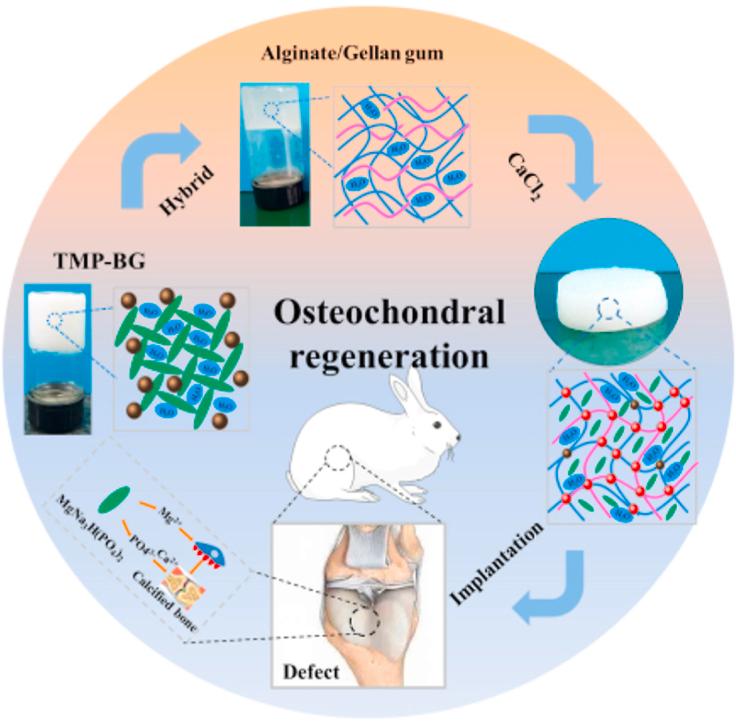
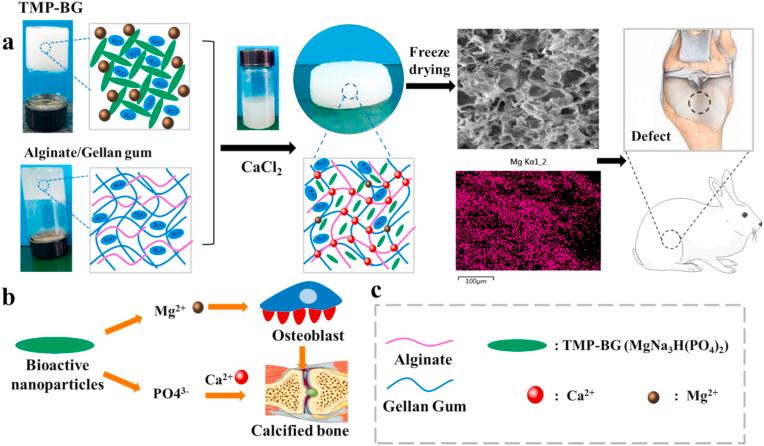
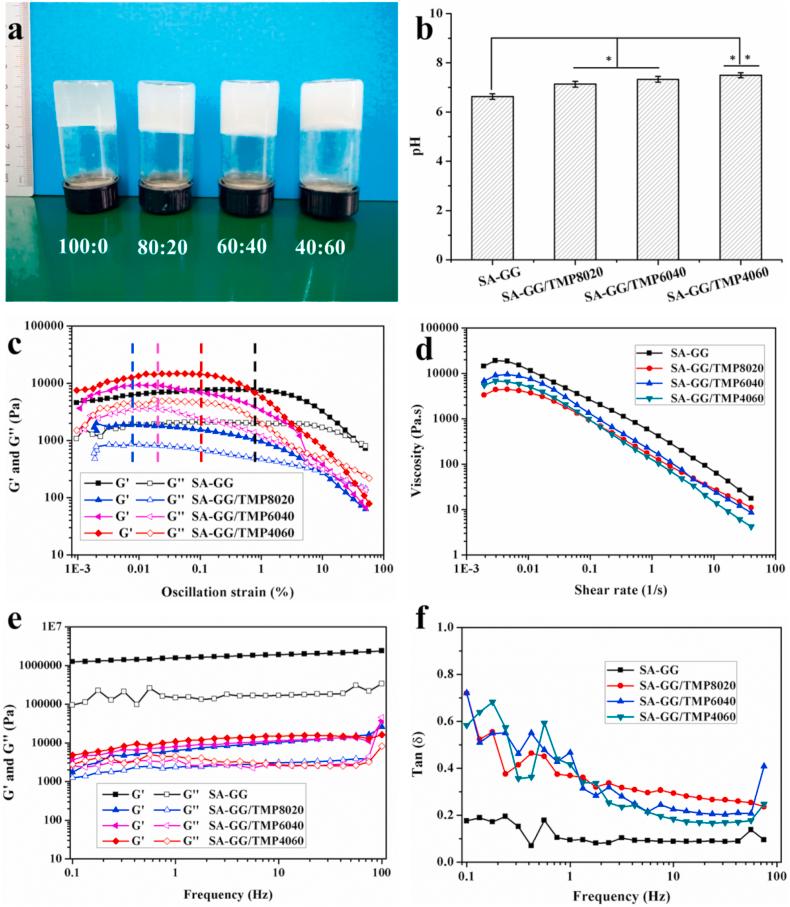
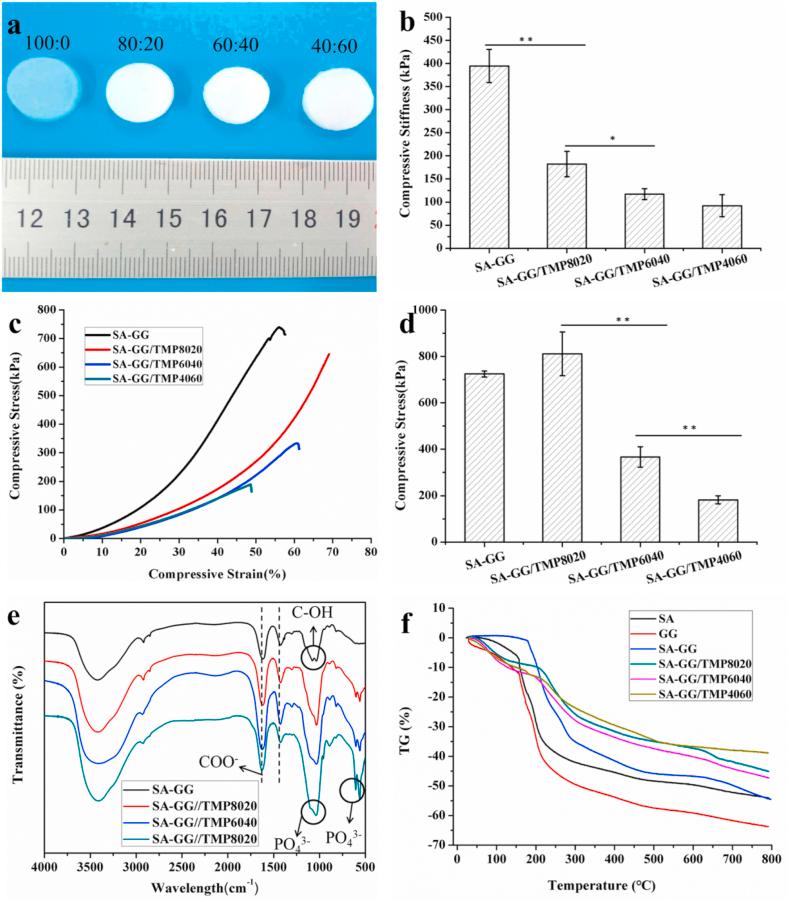
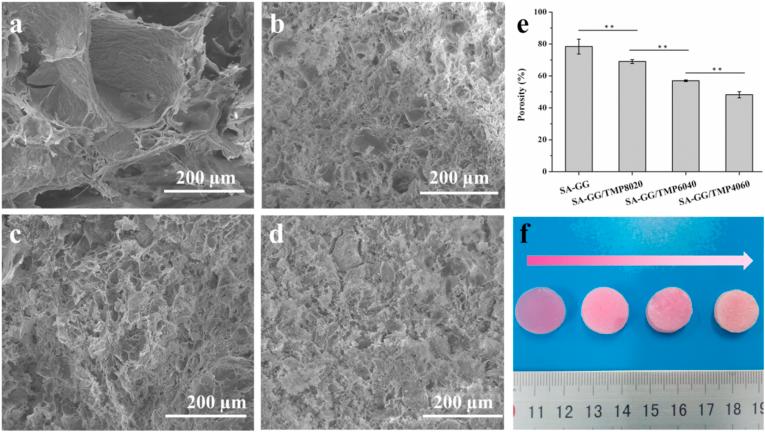
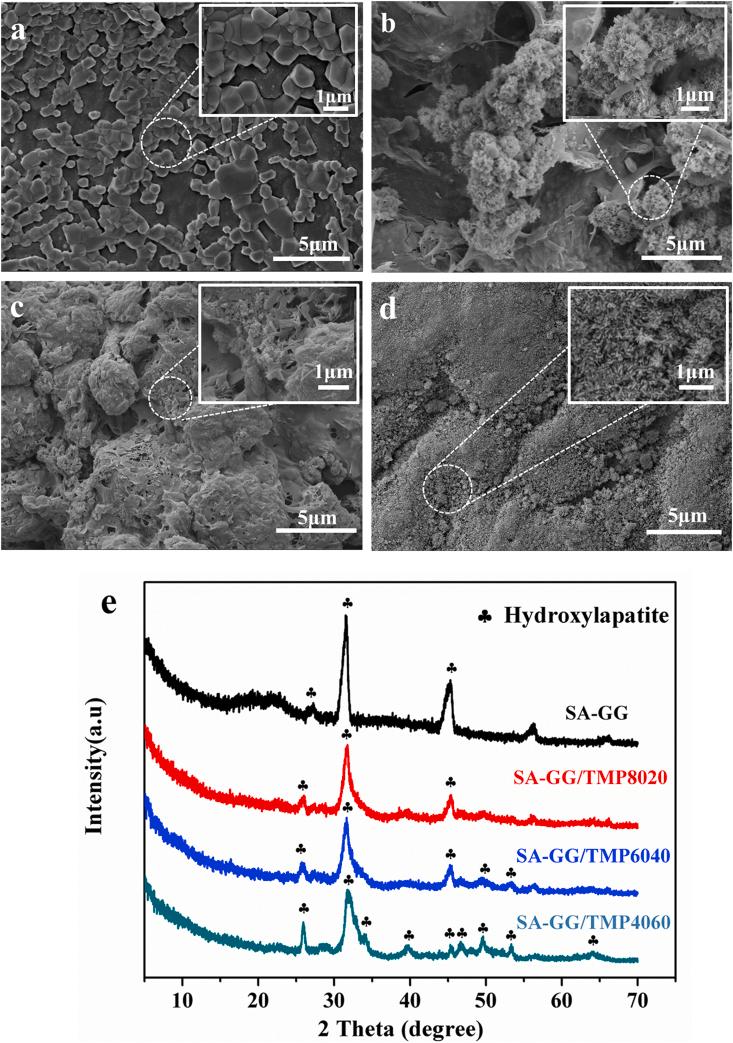
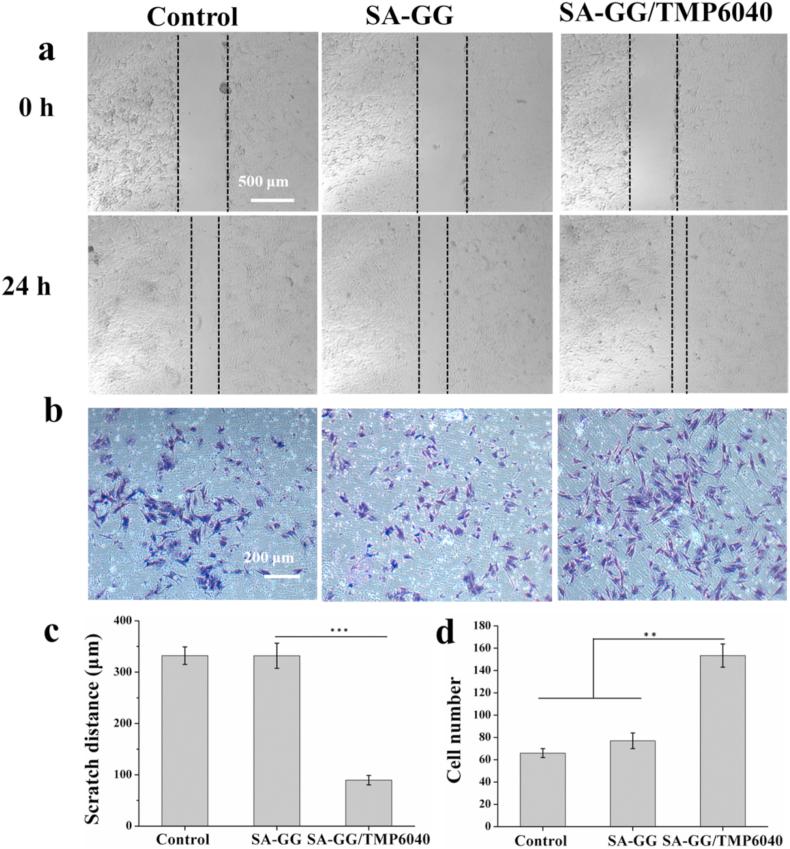
Osteochondral defects include the damage of cartilage and subchondral bone, which are still clinical challenges. The general replacements are difficult to simultaneously repair cartilage and subchondral bone due to their various requirements. Moreover, appropriate printable bioactive materials were needed for 3D bioprinting personalized scaffolds for osteochondral repairing. Herein, the novel hydrogel was developed by hybridizing the alginate sodium (SA) and gellan gum (GG) with the inorganic thixotropic magnesium phosphate-based gel (TMP-BG) in the pre-crosslinking of Mg to enhance osteochondral repairing. SA-GG/TMP-BG hybrid hydrogels possessed controllable rheological, injectable, mechanical properties and porosities by tuning their ratio. The shear-thinning of SA-GG/TMP-BG was responsible for its excellent injectability. SA-GG/TMP-BG hybrid hydrogels displayed good cell compatibility, on which MG-63 and BMSCs cells attached and spread well with the high proliferation and up-regulated osteogenic genes. In addition, the inorganic TMP-BG gel hybridized with SA-GG hydrogel released Mg was conducive to recruiting BMSCs and promoting the osteogenic and chondrogenic differentiation of BMSCs. Histological results confirmed that SA-GG/TMP6040 significantly promoted the osteogenesis of subchondral bone and then further facilitated the cartilage repairing after being implanted in osteochondral defects of rabbits for 6 and 12 weeks. Our finding revealed that the inorganic TMP-BG endowed the excellent osteogenic activity of the hybrid hydrogels, which played a key role in successful osteochondral repairing. The newly SA-GG/TMP-BG hybrid hydrogels appeared to be promising materials for osteochondral repairing and the further 3D bioprinting.
骨软骨缺损包括软骨和软骨下骨的损伤,这仍然是临床面临的挑战。由于软骨和软骨下骨的修复需求各异,一般的替代物难以同时修复这两者。此外,3D生物打印个性化骨软骨修复支架需要合适的可打印生物活性材料。在此,通过在镁预交联过程中将海藻酸钠(SA)和结冷胶(GG)与无机触变性磷酸镁基凝胶(TMP-BG)杂交,开发出了新型水凝胶以增强骨软骨修复。SA-GG/TMP-BG杂化水凝胶通过调整比例具有可控的流变学、可注射性、力学性能和孔隙率。SA-GG/TMP-BG的剪切变稀特性使其具有出色的可注射性。SA-GG/TMP-BG杂化水凝胶表现出良好的细胞相容性,MG-63细胞和骨髓间充质干细胞(BMSCs)能在其上良好附着和铺展,且具有高增殖能力和上调的成骨基因。此外,与SA-GG水凝胶杂交并释放镁的无机TMP-BG凝胶有利于招募BMSCs,并促进BMSCs的成骨和成软骨分化。组织学结果证实,SA-GG/TMP6040在植入兔骨软骨缺损6周和12周后,显著促进了软骨下骨的成骨,进而进一步促进了软骨修复。我们的研究发现揭示,无机TMP-BG赋予了杂化水凝胶优异的成骨活性,这在骨软骨修复成功中起关键作用。新型SA-GG/TMP-BG杂化水凝胶似乎是骨软骨修复及进一步3D生物打印的有前景材料。

 Zotero 插件