
用于对抗细菌感染的治疗性脂质包被杂化纳米颗粒。
Therapeutic lipid-coated hybrid nanoparticles against bacterial infections.
作者信息
Jiang Lai, Lee Hiang Wee, Loo Say Chye Joachim
机构信息
School of Materials Science & Engineering, Nanyang Technological University 50 Nanyang Ave Singapore 639798
Singapore Centre for Environmental Life Sciences Engineering, Nanyang Technological University 60 Nanyang Drive Singapore 637551.
出版信息
RSC Adv. 2020 Feb 27;10(14):8497-8517. doi: 10.1039/c9ra10921h. eCollection 2020 Feb 24.
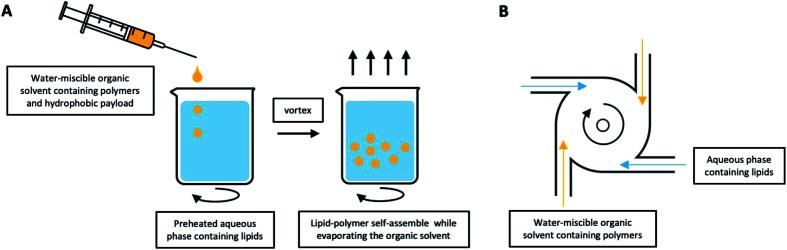
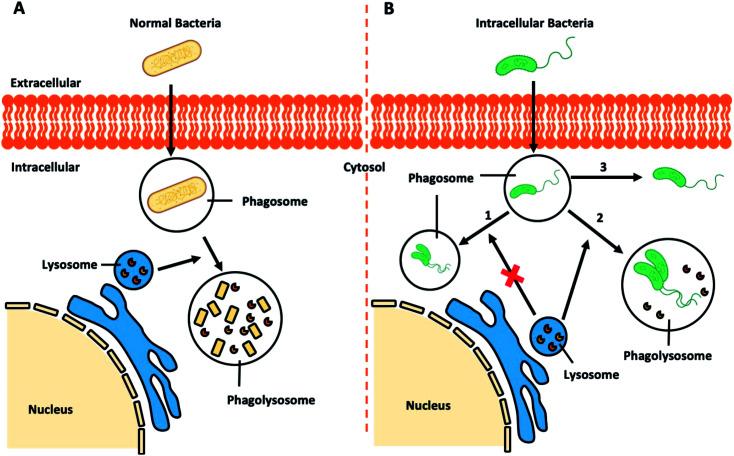
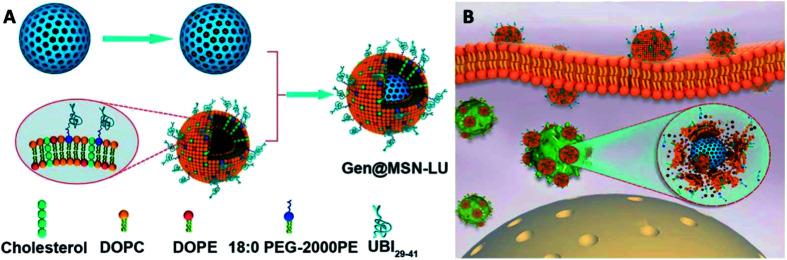
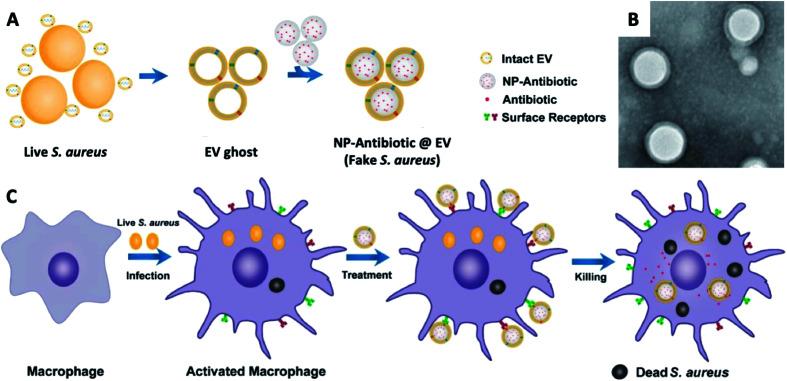
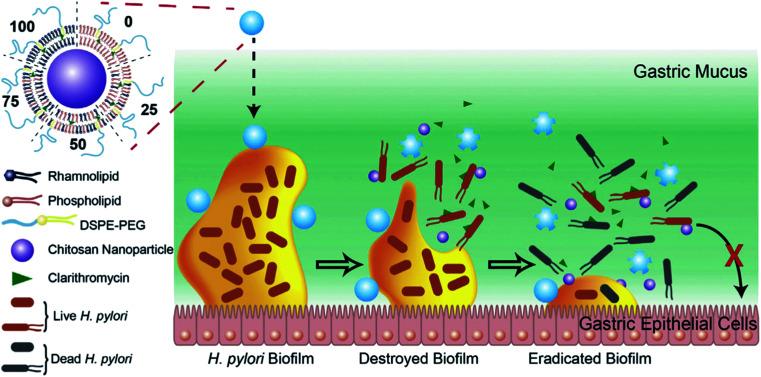
One of the most important health concerns in society is the development of pathogen-causing nosocomial infections. Since the first discovery of antibiotics, bacterial infections have been highly treatable. However, with evolution and the nondiscretionary usage of antibiotics, pathogens have also found new ways to survive the onslaught of antibiotics by surviving intracellularly or through the formation of obstinate biofilms, and through these, the outcomes of regular antibiotic treatments may now be unsatisfactory. Lipid-coated hybrid nanoparticles (LCHNPs) are the next-generation core-shell structured nanodelivery system, where an inorganic or organic core, loaded with antimicrobials, is enveloped by lipid layers. This core-shell structure, with multifarious decorations, not only improves the loading capabilities of therapeutics but also has the potential to improve therapeutic delivery, especially for targeting biofilm-based and intracellular bacterial infections. Although there has been significant interest in the development of LCHNPs, they have yet to be widely exploited for bacterial infections. In this review, we will provide an overview on the latest development of LCHNPs and the various approaches in synthesizing this nano-delivery system. In addition, a discussion on future perspectives of LCHNPs, in combination with other novel anti-bacterial technologies, will be provided towards the end of this review.
社会上最重要的健康问题之一是引发病原体的医院感染的发展。自首次发现抗生素以来,细菌感染已具有高度可治疗性。然而,随着进化以及抗生素的随意使用,病原体也找到了新的生存方式,通过在细胞内生存或形成顽固的生物膜来抵御抗生素的攻击,因此,常规抗生素治疗的效果现在可能并不理想。脂质包被的杂化纳米颗粒(LCHNPs)是下一代核壳结构的纳米递送系统,其中负载有抗菌剂的无机或有机核被脂质层包裹。这种具有多种修饰的核壳结构不仅提高了治疗剂的负载能力,而且有可能改善治疗递送,特别是针对基于生物膜和细胞内细菌感染的治疗。尽管人们对LCHNPs的开发有着浓厚的兴趣,但它们尚未被广泛用于细菌感染的治疗。在这篇综述中,我们将概述LCHNPs的最新发展以及合成这种纳米递送系统的各种方法。此外,在本综述的结尾将讨论LCHNPs与其他新型抗菌技术相结合的未来前景。



 Zotero 插件