
用于生产发动机液体燃料的塑料废料催化热解
Catalytic pyrolysis of plastic waste for the production of liquid fuels for engines.
作者信息
Budsaereechai Supattra, Hunt Andrew J, Ngernyen Yuvarat
机构信息
Department of Chemical Engineering, Faculty of Engineering, Khon Kaen University Khon Kaen 40002 Thailand
Materials Chemistry Research Center, Department of Chemistry, Center of Excellence for Innovation in Chemistry, Faculty of Science, Khon Kaen University Khon Kaen 40002 Thailand.
出版信息
RSC Adv. 2019 Feb 18;9(10):5844-5857. doi: 10.1039/c8ra10058f. eCollection 2019 Feb 11.
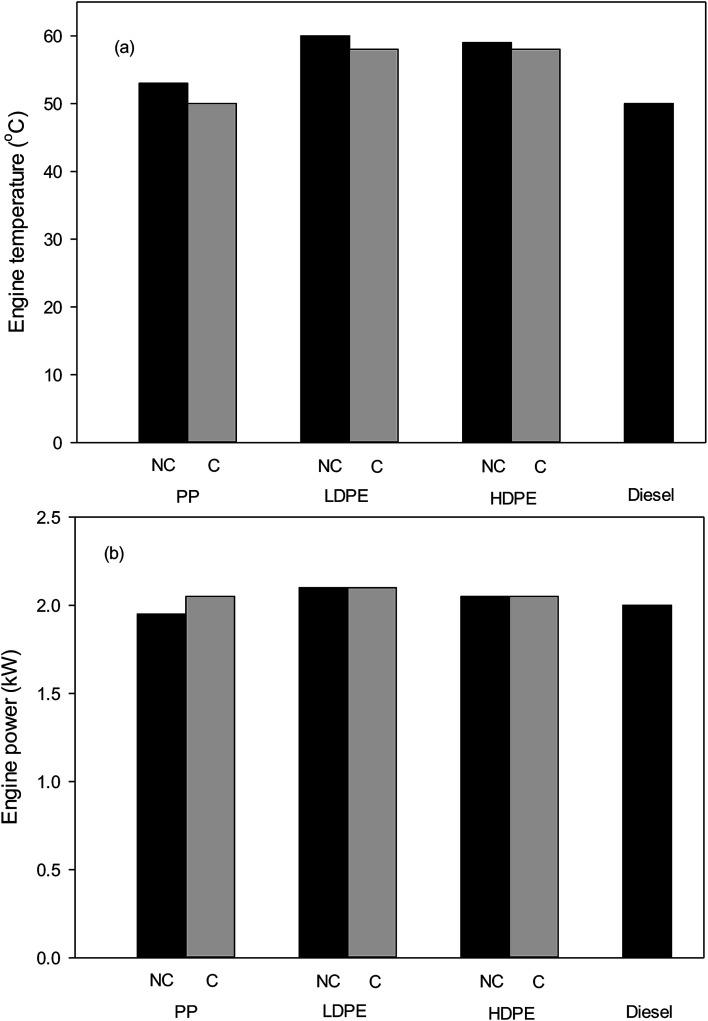
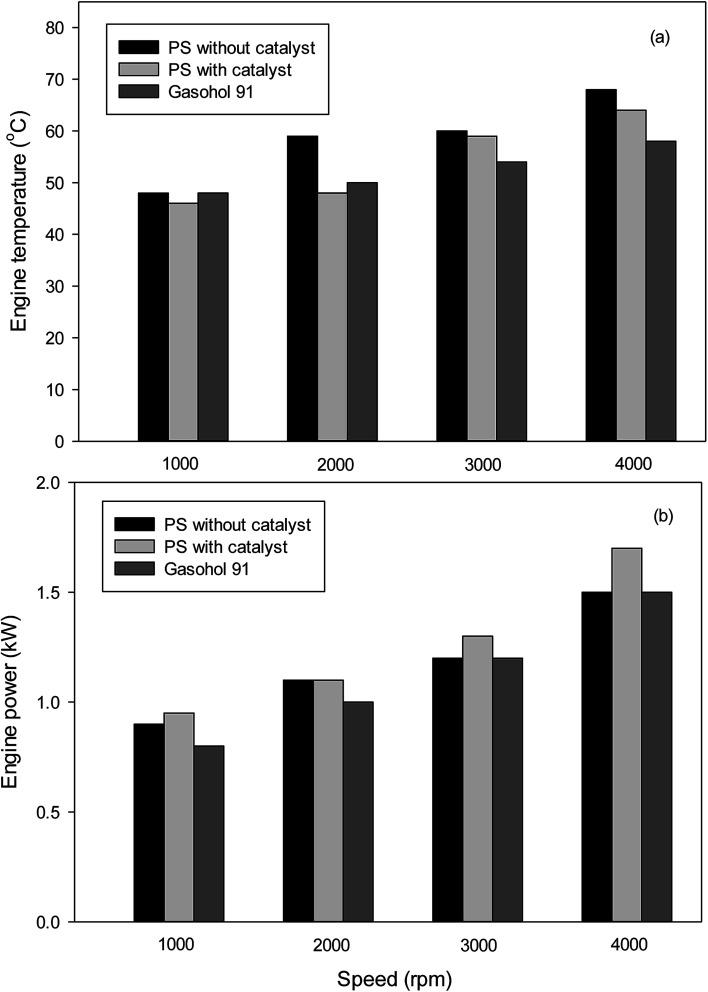
Catalytic pyrolysis of waste plastics using low cost binder-free pelletized bentonite clay has been investigated to yield pyrolysis oils as drop-in replacements for commercial liquid fuels such as diesel and gasohol 91. Pyrolysis of four waste plastics, polystyrene, polypropylene, low density polyethylene and high density polyethylene, was achieved at a bench scale (1 kg per batch) to produce useful fuel products. Importantly, the addition of binder-free bentonite clay pellets successfully yielded liquid based fuels with increased calorific values and lower viscosity for all plastic wastes. This larger scale pyrolysis study demonstrated that use of a catalyst in powder form can lead to significant pressure drops in the catalyst column, thus slowing the process (more than 1 hour). Importantly, the use of catalyst pellets eliminated the pressure drop and reduced pyrolysis processing time to only 10 minutes for 1 kg of plastic waste. The pyrolysis oil composition from polystyrene consists of 95% aromatic hydrocarbons, while in contrast, those from polypropylene, low density polyethylene and high density polyethylene, were dominated by aliphatic hydrocarbons, as confirmed by GC-MS. FTIR analysis demonstrated that low density polyethylene and high density polyethylene oils had functional groups that were consistent with those of commercial diesel (96% similarity match). In contrast, pyrolysis-oils from polystyrene demonstrated chemical and physical properties similar to those of gasohol 91. In both cases no wax formation was observed when using the bentonite clay pellets as a catalyst in the pyrolysis process, which was attributed to the high acidity of the bentonite catalyst (low SiO : AlO ratio), thus making it more active in cracking waxes compared to the less acidic heterogeneous catalysts reported in the literature. Pyrolysis-oil from the catalytic treatment of polystyrene resulted in greater engine power, comparable engine temperature, and lower carbon monoxide (CO) and carbon dioxide (CO) emissions, as compared to those of uncatalysed oils and commercial fuel in a gasoline engine. Pyrolysis-oils from all other polymers demonstrated comparable performance to diesel in engine power tests. The application of inexpensive and widely available bentonite clay in pyrolysis could significantly aid in repurposing plastic wastes.
利用低成本无粘结剂造粒膨润土对废塑料进行催化热解,以生产热解油,作为柴油和91号乙醇汽油等商业液体燃料的直接替代品。在实验室规模(每批1千克)下,对聚苯乙烯、聚丙烯、低密度聚乙烯和高密度聚乙烯这四种废塑料进行热解,以生产有用的燃料产品。重要的是,添加无粘结剂膨润土颗粒成功地为所有废塑料生产出了热值更高、粘度更低的液体燃料。这项更大规模的热解研究表明,使用粉末形式的催化剂会导致催化剂柱中出现显著的压降,从而减缓过程(超过1小时)。重要的是,使用催化剂颗粒消除了压降,并将1千克塑料废物的热解处理时间缩短至仅10分钟。经气相色谱 - 质谱联用仪(GC - MS)证实,聚苯乙烯热解油的成分由95%的芳烃组成,而相比之下,聚丙烯、低密度聚乙烯和高密度聚乙烯热解油则以脂肪烃为主。傅里叶变换红外光谱(FTIR)分析表明,低密度聚乙烯和高密度聚乙烯油的官能团与商业柴油的官能团一致(相似度匹配为96%)。相比之下,聚苯乙烯热解油的化学和物理性质与91号乙醇汽油相似。在热解过程中使用膨润土颗粒作为催化剂时,在这两种情况下均未观察到蜡的形成,这归因于膨润土催化剂的高酸度(低SiO : AlO比),因此与文献中报道的酸性较低的多相催化剂相比,它在蜡的裂解方面更具活性。与汽油发动机中未催化的油和商业燃料相比,聚苯乙烯催化处理得到的热解油产生了更大的发动机功率、相当的发动机温度以及更低的一氧化碳(CO)和二氧化碳(CO)排放。在发动机功率测试中,所有其他聚合物的热解油表现出与柴油相当的性能。在热解中应用廉价且广泛可得的膨润土可显著有助于废塑料的再利用。



 Zotero 插件