
近期通过……生产鼠李糖脂生物表面活性剂的进展。 (原文不完整,翻译只能到此程度)
Recent advancements in the production of rhamnolipid biosurfactants by .
作者信息
Eslami Parisa, Hajfarajollah Hamidreza, Bazsefidpar Shayesteh
机构信息
Amirkabir University of Technology, Chemical Engineering Department Iran.
Chemistry and Chemical Engineering Research Center of Iran, Chemical Engineering Department Iran
出版信息
RSC Adv. 2020 Sep 14;10(56):34014-34032. doi: 10.1039/d0ra04953k. eCollection 2020 Sep 10.
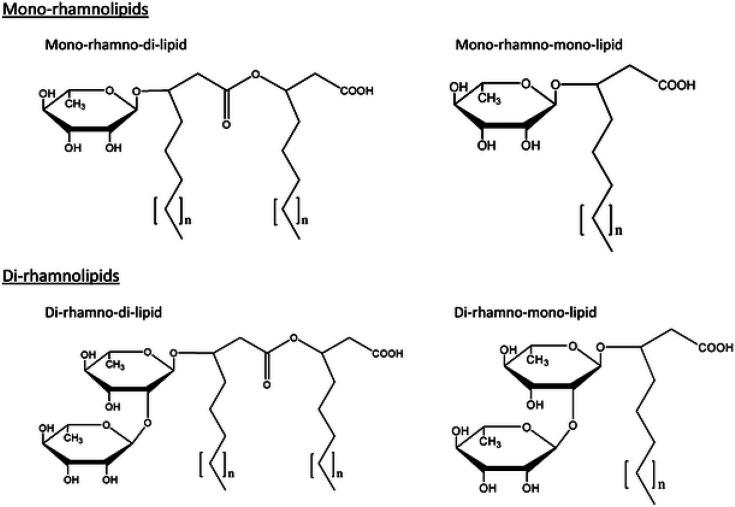
Rhamnolipid (RL) biosurfactant which is produced by species is one of the most effective surface-active agents investigated in the literature. Over the years, many efforts have been made and an array of techniques has been developed for the isolation of RL produced strains as well as RL homolog characterization. Reports show that RL productivity by the best-known producer, , is very diverse, from less than 1 gr/l to more than 200 g L. There are some major parameters that can affect RL productivity. These are culture conditions, medium composition, the mode of operation (batch, fed-batch and continuous), bioengineering/gene manipulation and finally extraction methods. The present paper seeks to provide a comprehensive overview on the production of rhamnolipid biosurfactant by different species of bacteria. In addition, we have extensively reviewed their potential for possible future applications.
由 物种产生的鼠李糖脂(RL)生物表面活性剂是文献中研究的最有效的表面活性剂之一。多年来,人们付出了很多努力,并开发了一系列技术用于分离产生RL的菌株以及RL同系物的表征。报告显示,最著名的生产者 产生RL的能力差异很大,从每升不到1克到超过200克不等。有一些主要参数会影响RL的产量。这些参数包括培养条件、培养基组成、操作模式(分批、补料分批和连续)、生物工程/基因操作以及最后的提取方法。本文旨在全面概述不同种类的 细菌生产鼠李糖脂生物表面活性剂的情况。此外,我们还广泛回顾了它们未来可能的应用潜力。
 Zotero 插件