
利用静电纺丝技术从丙烯腈-丁二烯-苯乙烯(ABS)废料合成纳米纤维膜,用作空气过滤介质。
The synthesis of nanofiber membranes from acrylonitrile butadiene styrene (ABS) waste using electrospinning for use as air filtration media.
作者信息
Zulfi Akmal, Hapidin Dian Ahmad, Munir Muhammad Miftahul, Iskandar Ferry, Khairurrijal Khairurrijal
机构信息
Department of Physics, Faculty of Mathematics and Natural Sciences, Institut Teknologi Bandung Jalan Ganesa 10 Bandung 40132 Indonesia
Research Center for Biosciences and Biotechnology, Institute for Research and Community Services, Institut Teknologi Bandung Jalan Ganesa 10 Bandung 40132 Indonesia.
出版信息
RSC Adv. 2019 Sep 30;9(53):30741-30751. doi: 10.1039/c9ra04877d. eCollection 2019 Sep 26.
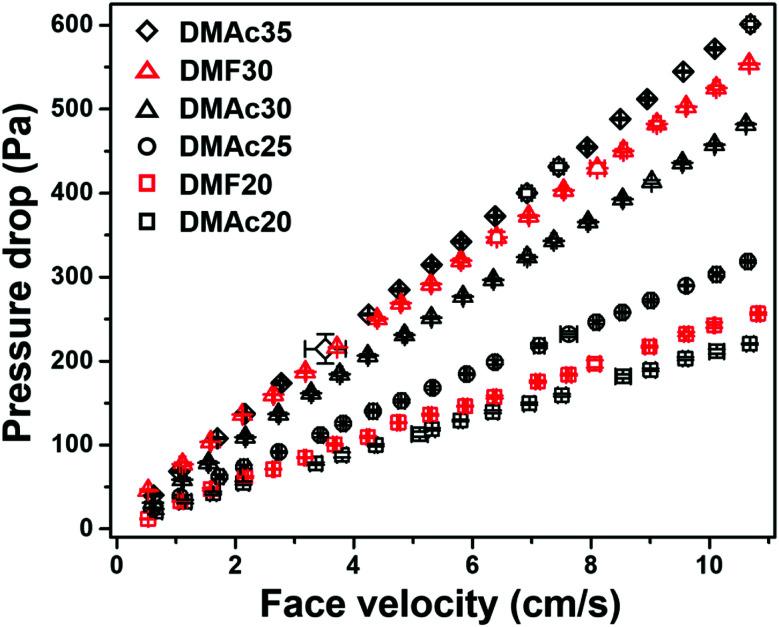
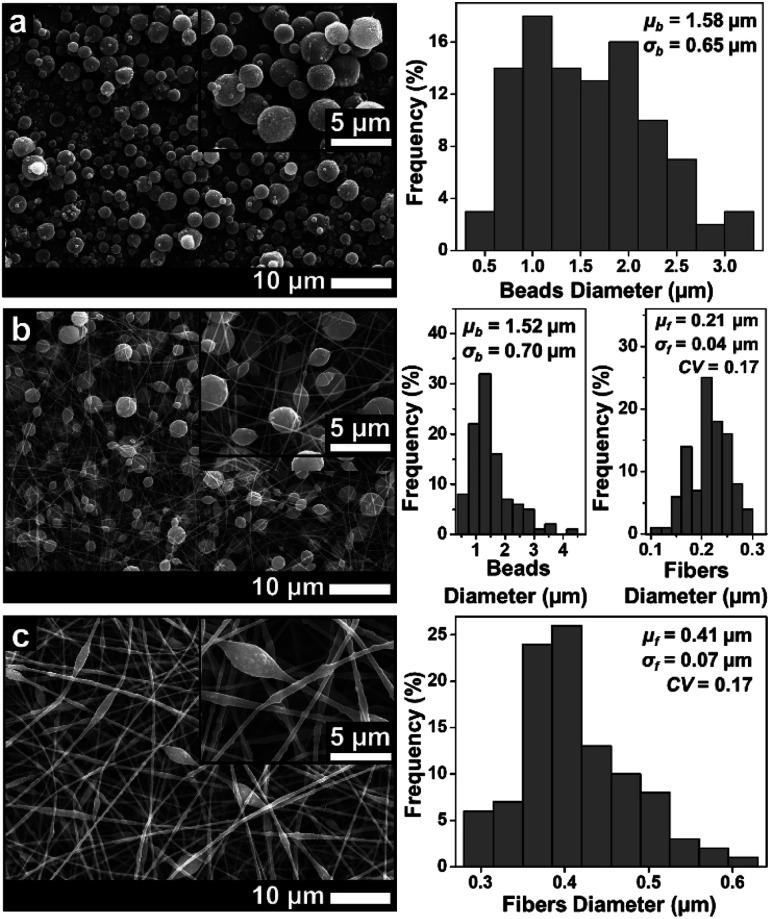
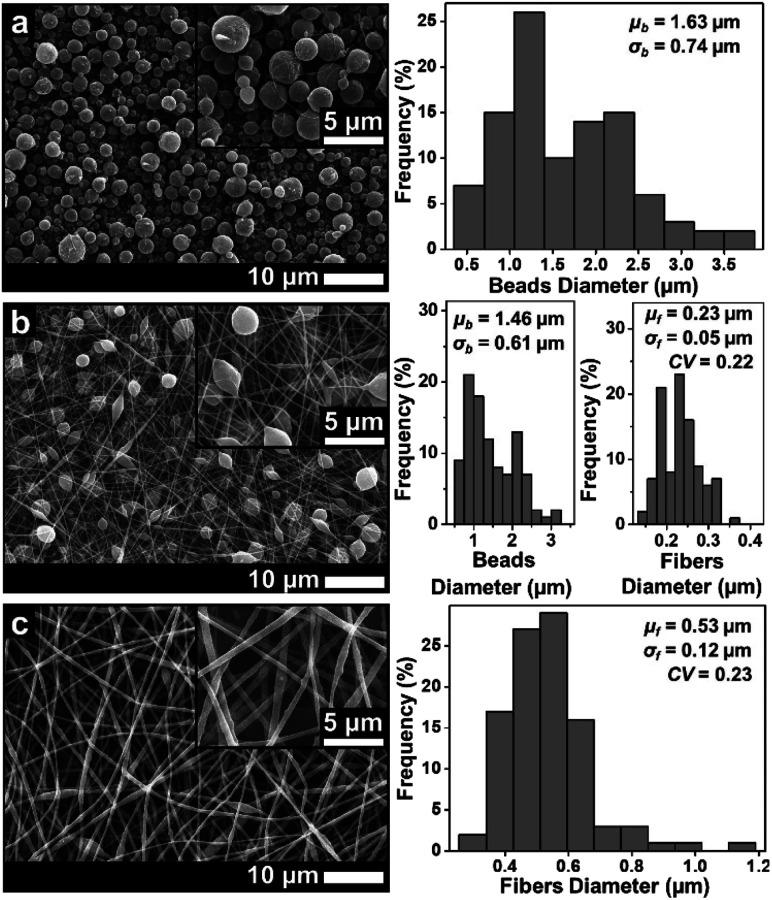
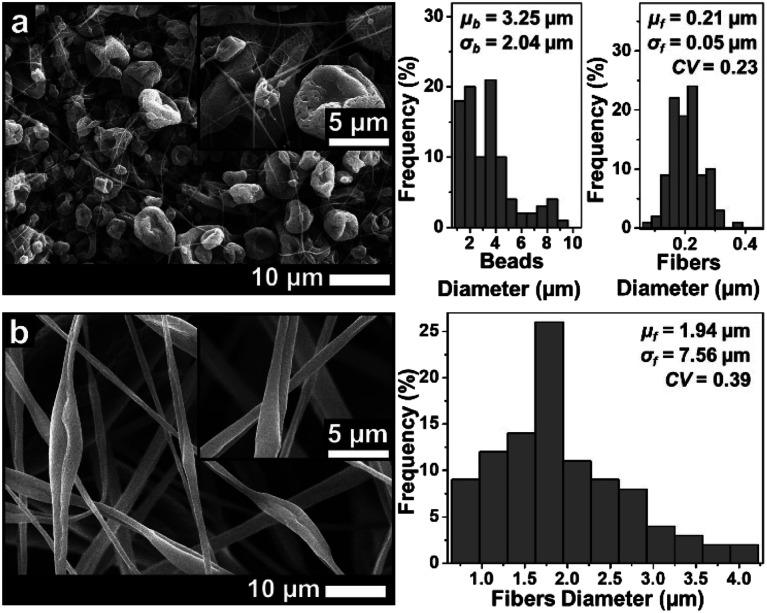
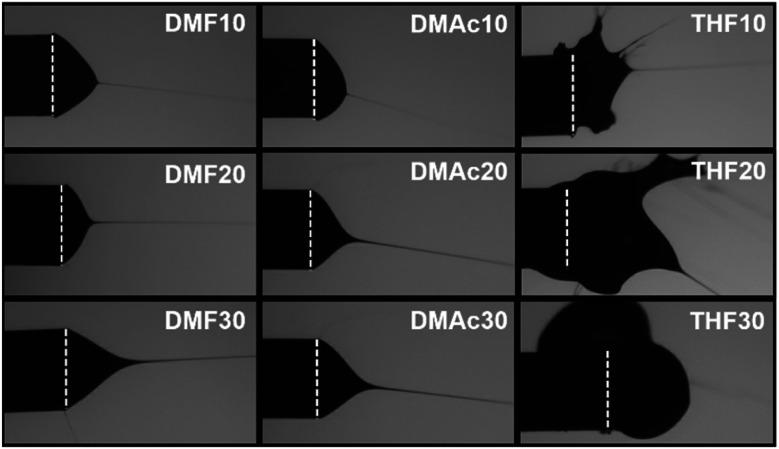
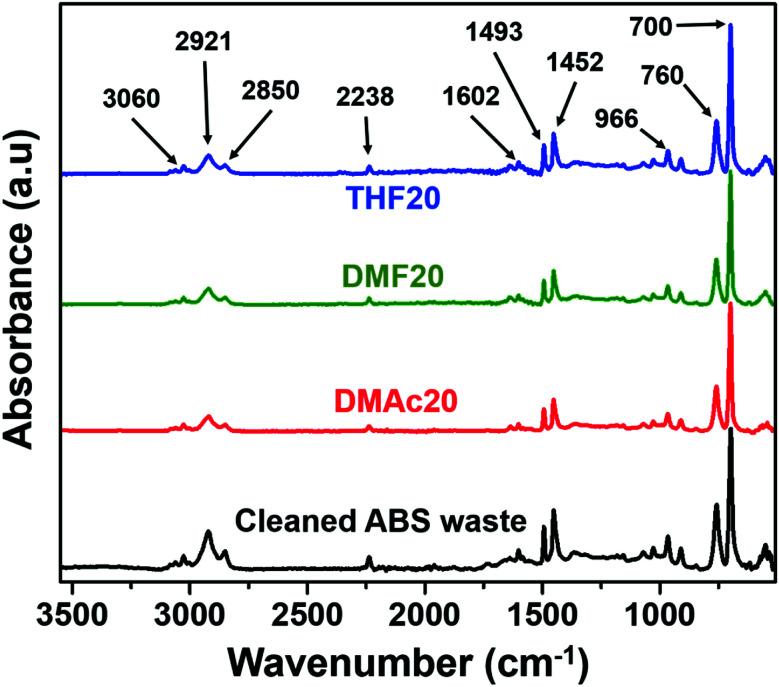
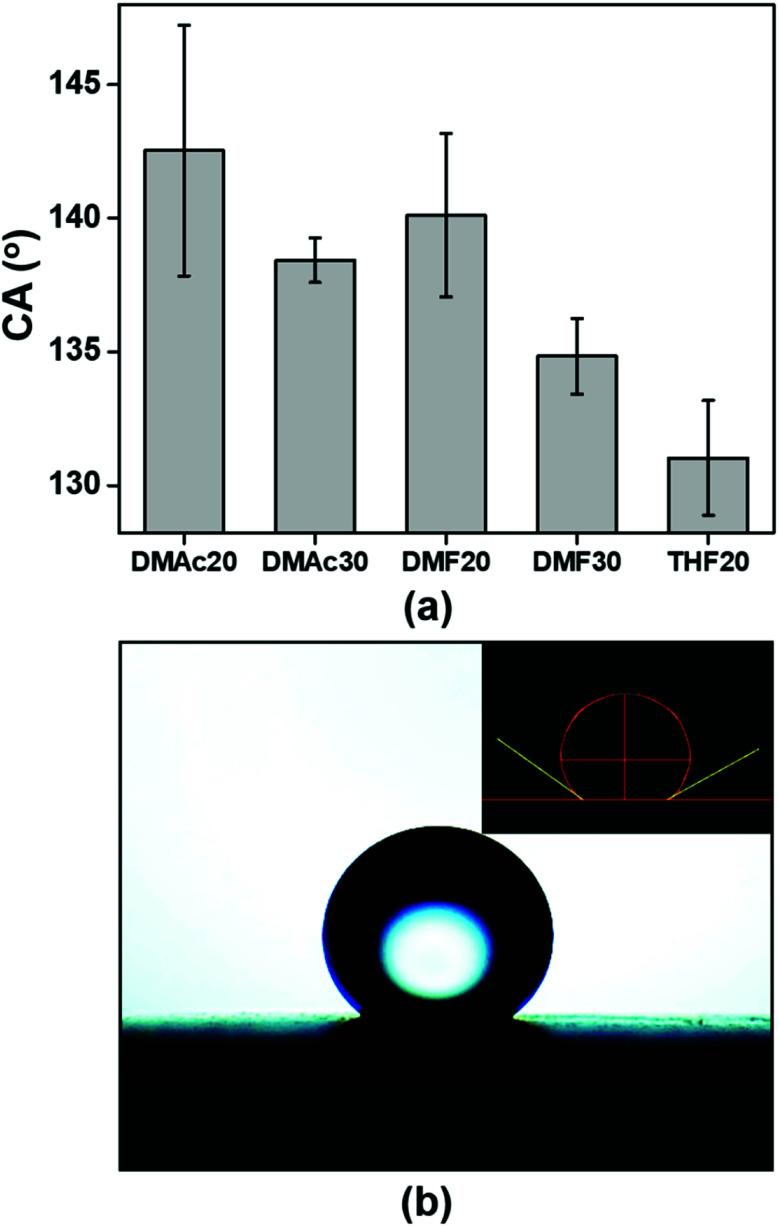
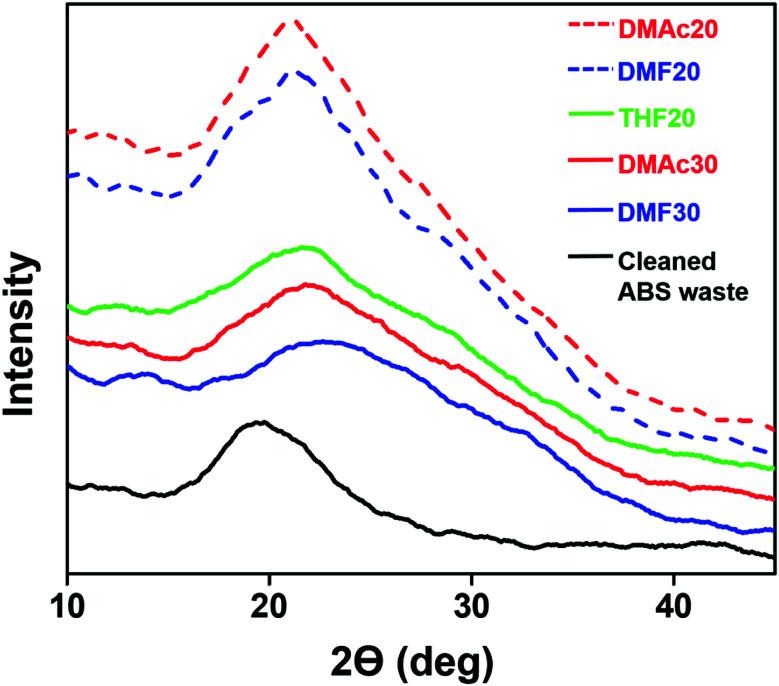
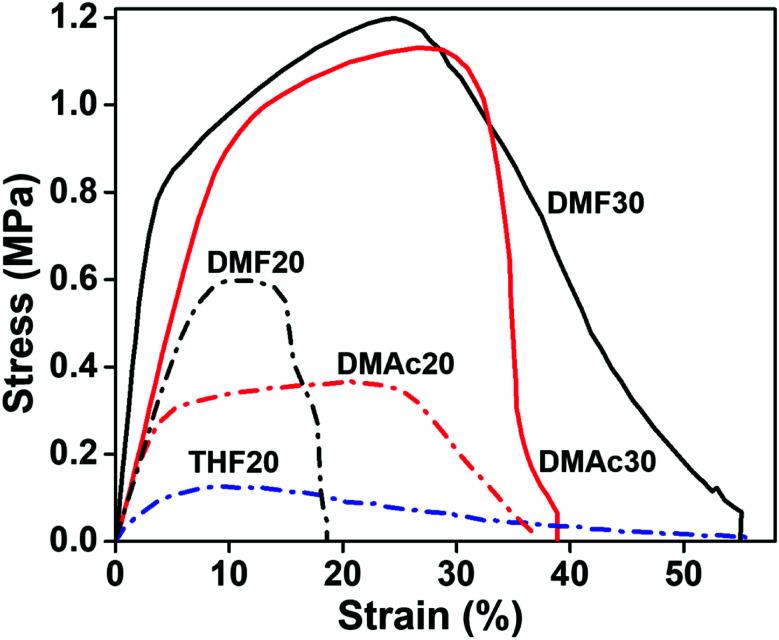
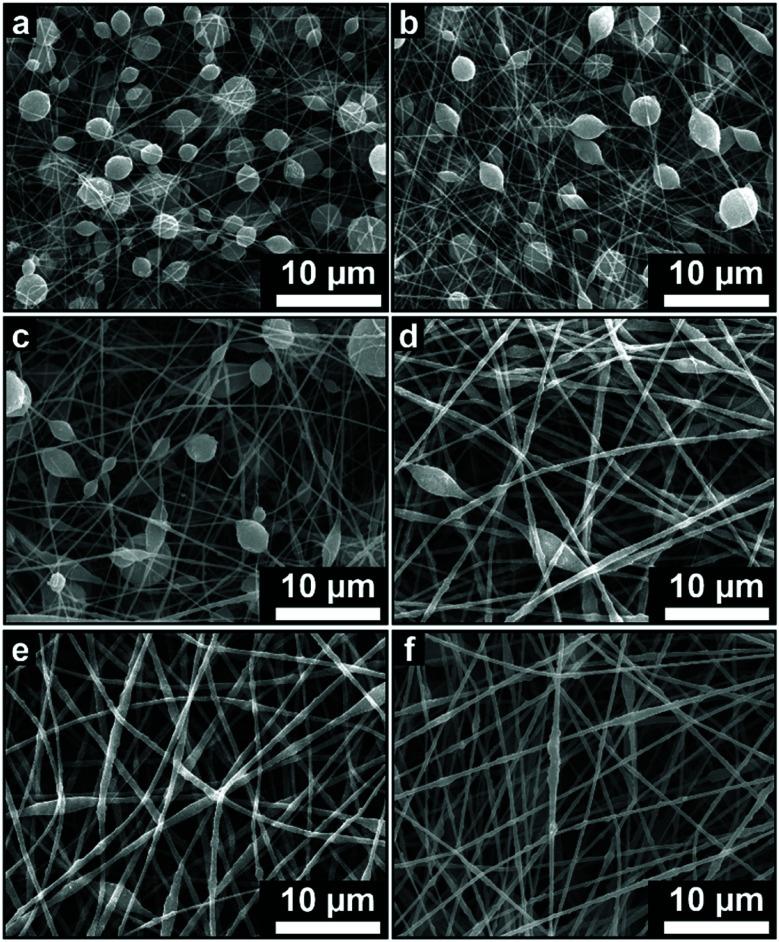
Acrylonitrile butadiene styrene (ABS) waste has been successfully recycled into nanofiber membranes by an electrospinning method for air filter applications. The ABS precursor solutions were made by dissolving the ABS waste in three different solvents, DMAc, DMF, and THF, with various concentrations of 10, 20, and 30 wt%. The solvent and solution concentrations affected the fiber properties (size and morphology) and membrane properties (wettability, crystallinity, and mechanical). Accordingly, we tested the fabricated membranes using SEM, FTIR, XRD, water contact angle, and tensile strength test measurements. The SEM images depicted three different morphologies, beads, beaded fibers, and pure fibers. The FTIR spectra showed that the solvents completely evaporated during the electrospinning process. The water contact angle test exhibited the hydrophobic properties of all the membrane samples. The XRD spectra showed the amorphous structures of all the membranes. The tensile strength test showed that the membranes fabricated using DMF and DMAc solvents had the best mechanical properties. Considering the fiber size, wettability, and mechanical properties, the membranes fabricated using DMAc and DMF solvents had the best criteria as air filter media. Filtration tests on the membranes fabricated using DMAc and DMF solvents with various solution concentrations depicted that the beads affected the membrane pressure drop and efficiency. The beads gave more space among the fibers, which facilitated the air flow through the membrane. The beads greatly reduced the pressure drop without an overly reduced membrane filtration efficiency. This led to a high-quality factor of the membranes that demonstrated their applicability as potential air filter media.
丙烯腈-丁二烯-苯乙烯(ABS)废料已通过静电纺丝法成功回收制成纳米纤维膜,用于空气过滤应用。ABS前驱体溶液是通过将ABS废料溶解在三种不同溶剂(N,N-二甲基乙酰胺、N,N-二甲基甲酰胺和四氢呋喃)中制成的,浓度分别为10%、20%和30%(重量)。溶剂和溶液浓度影响纤维性能(尺寸和形态)以及膜性能(润湿性、结晶度和机械性能)。因此,我们使用扫描电子显微镜(SEM)、傅里叶变换红外光谱(FTIR)、X射线衍射(XRD)、水接触角和拉伸强度测试对制备的膜进行了测试。SEM图像呈现出三种不同的形态:珠子、串珠纤维和纯纤维。FTIR光谱表明,在静电纺丝过程中溶剂完全蒸发。水接触角测试显示所有膜样品都具有疏水性能。XRD光谱表明所有膜均为非晶结构。拉伸强度测试表明,使用N,N-二甲基甲酰胺和N,N-二甲基乙酰胺溶剂制备的膜具有最佳的机械性能。考虑到纤维尺寸、润湿性和机械性能,使用N,N-二甲基乙酰胺和N,N-二甲基甲酰胺溶剂制备的膜作为空气过滤介质具有最佳标准。对使用N,N-二甲基乙酰胺和N,N-二甲基甲酰胺溶剂以及不同溶液浓度制备的膜进行的过滤测试表明,珠子会影响膜的压降和效率。珠子在纤维之间提供了更多空间,有利于空气流过膜。珠子极大地降低了压降,而不会过度降低膜的过滤效率。这导致膜具有较高的品质因数,证明了它们作为潜在空气过滤介质的适用性。
 Zotero 插件