
CXCL10 是心肌细胞中 p53 下游的一种新型抗血管生成因子。
CXCL10 is a novel anti-angiogenic factor downstream of p53 in cardiomyocytes.
机构信息
Laboratory of Clinical Science and Biomedicine, Graduate School of Pharmaceutical Sciences, Osaka University, Suita City, Osaka, Japan.
Laboratory of Pharmacology and Toxicology, Faculty of Pharmacy, Universitas Indonesia, Depok City, West Java, Indonesia.
出版信息
Physiol Rep. 2022 May;10(9):e15304. doi: 10.14814/phy2.15304.
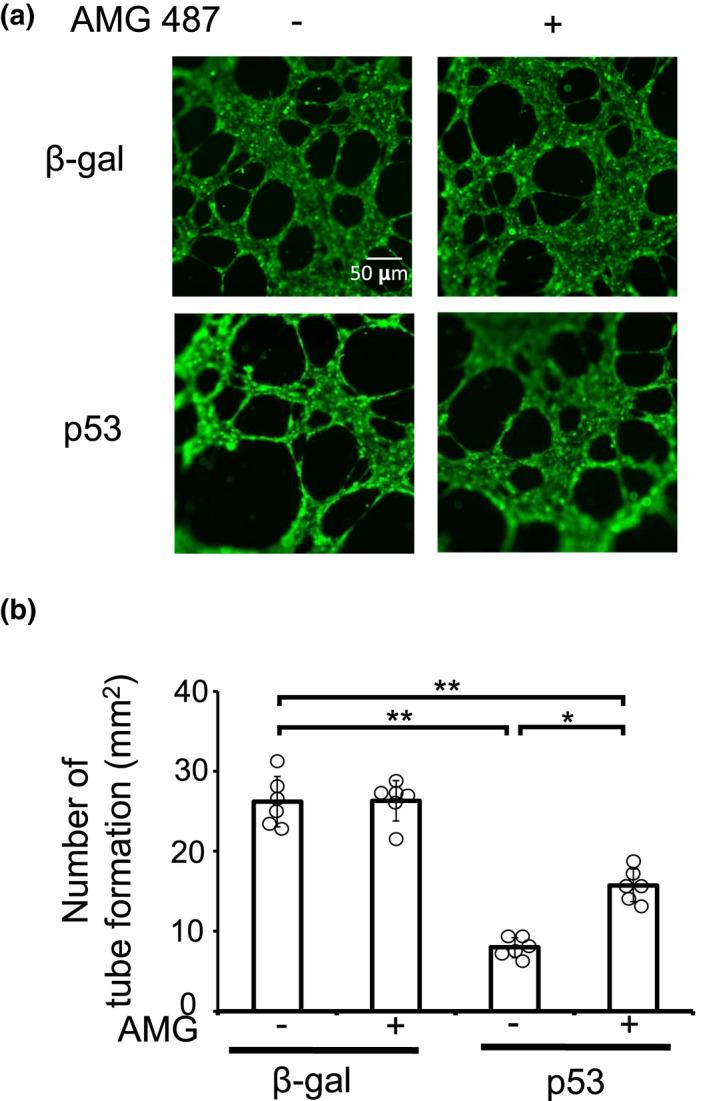
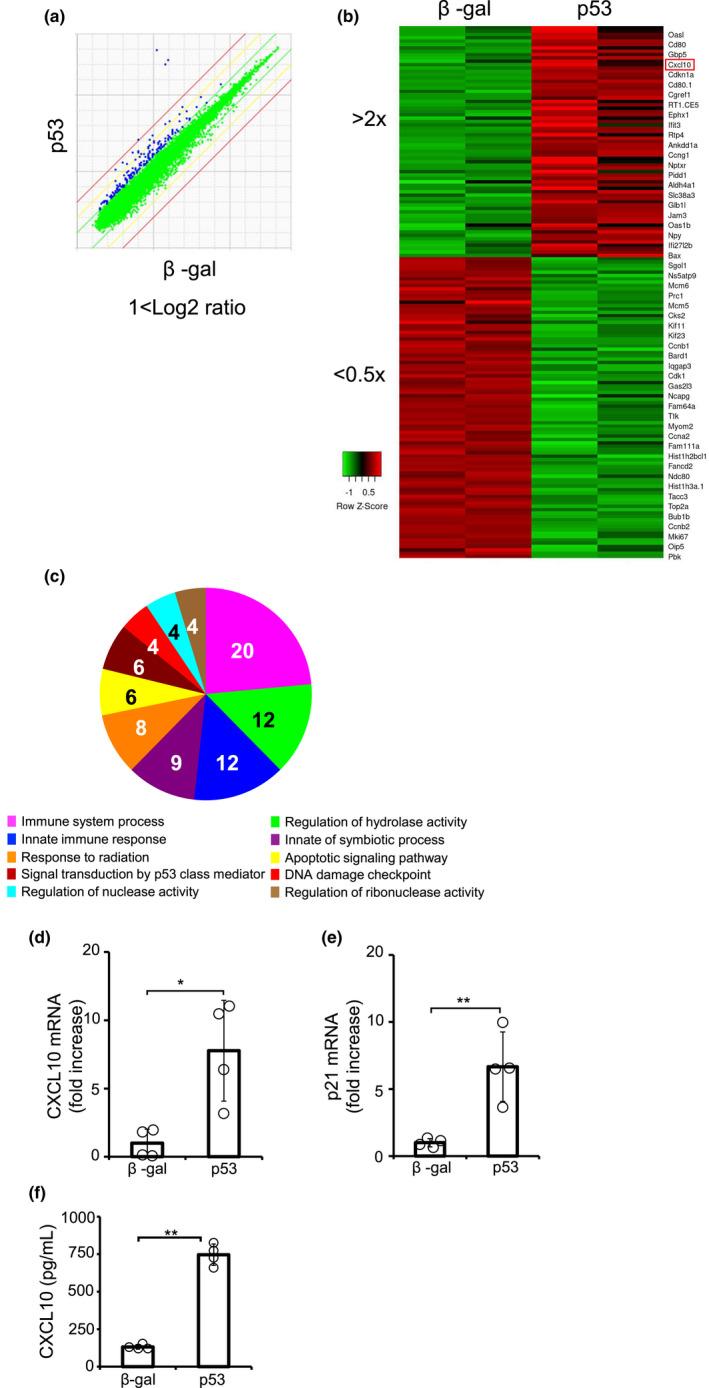
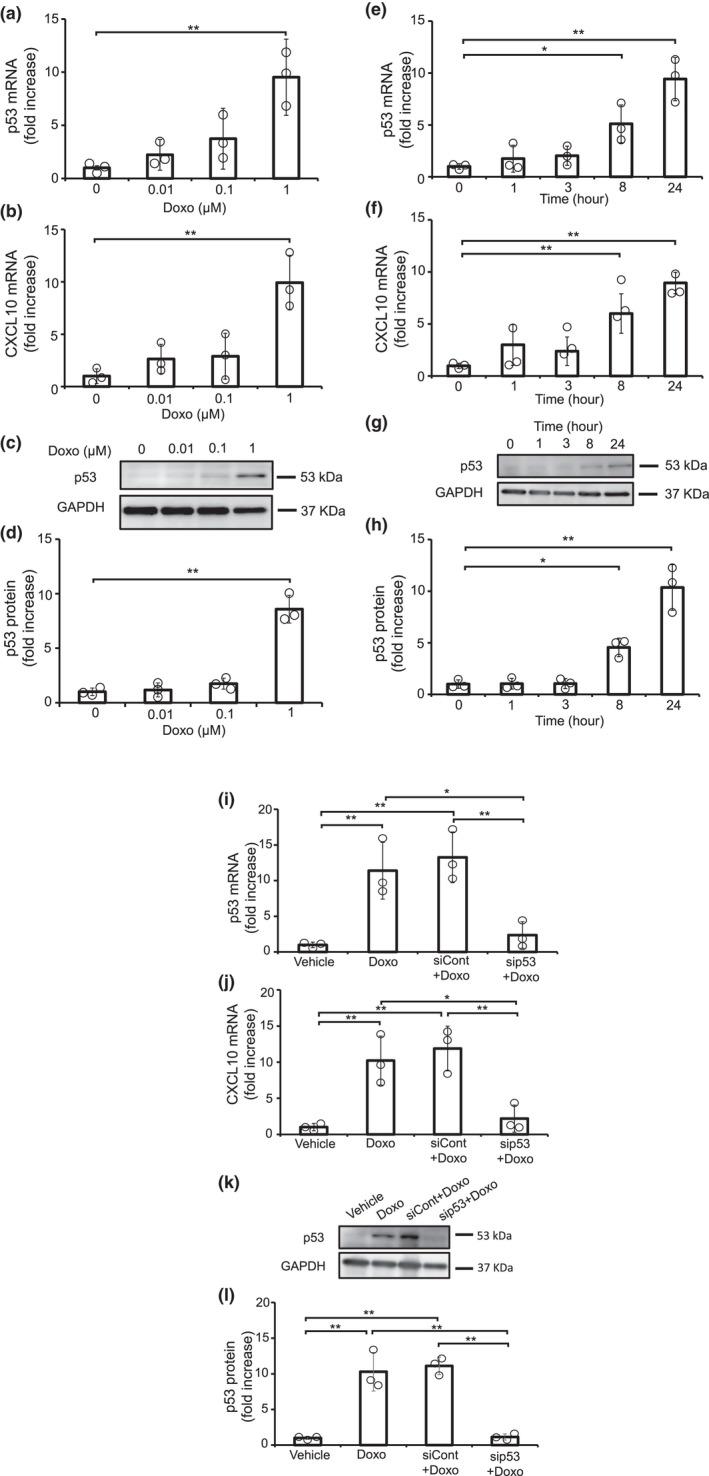
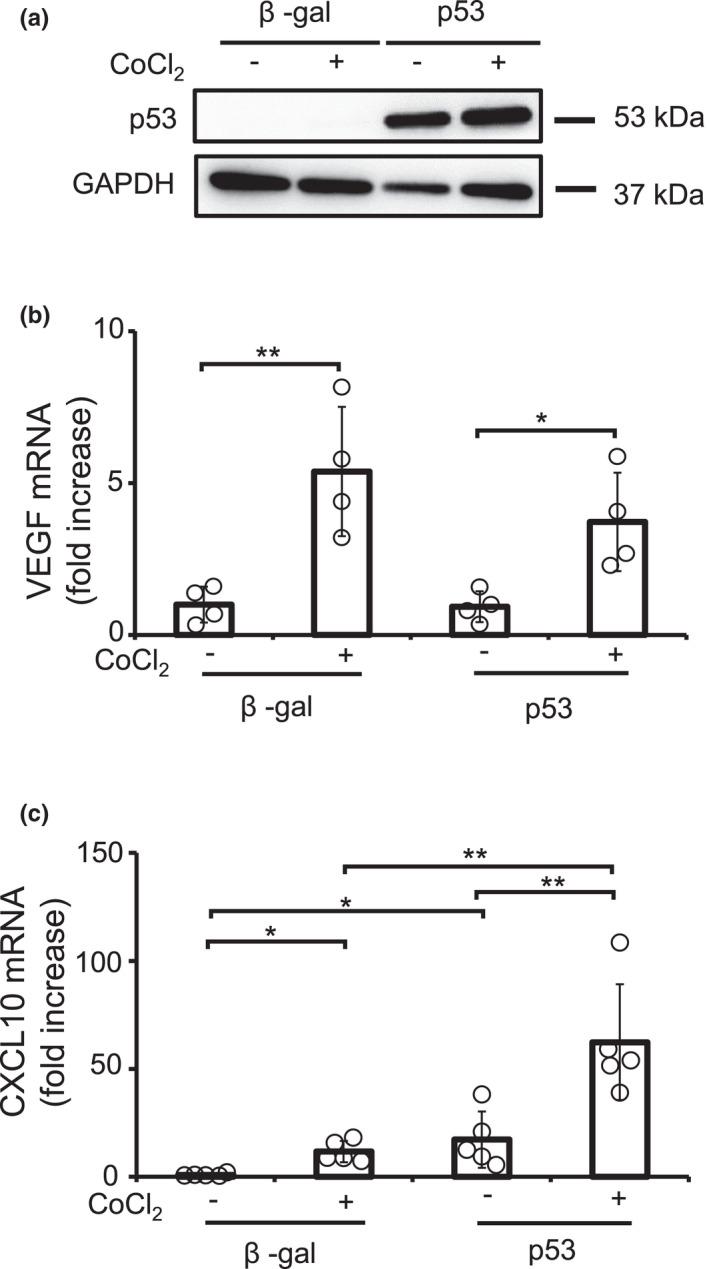
Tumor suppressor protein p53 plays crucial roles in the onset of heart failure. p53 activation results in cardiac dysfunction, at least partially by suppressing angiogenesis. Though p53 has been reported to reduce VEGF production by inhibiting hypoxia-inducible factor, the anti-angiogenic property of p53 remains to be fully elucidated in cardiomyocytes. To explore the molecular signals downstream of p53 that regulate vascular function, especially under normoxic conditions, DNA microarray was performed using p53-overexpressing rat neonatal cardiomyocytes. Among genes induced by more than 2-fold, we focused on CXCL10, an anti-angiogenic chemokine. Real-time PCR revealed that p53 upregulated the CXCL10 expression as well as p21, a well-known downstream target of p53. Since p53 is known to be activated by doxorubicin (Doxo), we examined the effects of Doxo on the expression of CXCL10 and found that Doxo enhanced the CXCL10 expression, accompanied by p53 induction. Importantly, Doxo-induced CXCL10 was abrogated by siRNA knockdown of p53, indicating that p53 activation is necessary for Doxo-induced CXCL10. Next, we examined the effect of hypoxic condition on p53-mediated induction of CXCL10. Interestingly, CXCL10 was induced by hypoxia and its induction was potentiated by the overexpression of p53. Finally, the conditioned media from cultured cardiomyocytes expressing p53 decreased the tube formation of endothelial cells compared with control, analyzed by angiogenesis assay. However, the inhibition of CXCR3, the receptor of CXCL10, restored the tube formation. These data indicate that CXCL10 is a novel anti-angiogenic factor downstream of p53 in cardiomyocytes and could contribute to the suppression of vascular function by p53.
抑癌蛋白 p53 在心力衰竭的发生中起着至关重要的作用。p53 的激活导致心脏功能障碍,至少部分原因是抑制血管生成。虽然已有报道称 p53 通过抑制缺氧诱导因子来减少 VEGF 的产生,但 p53 在心肌细胞中的抗血管生成特性仍有待充分阐明。为了探索调节血管功能的 p53 下游分子信号,特别是在正常氧条件下,我们使用 p53 过表达的大鼠新生心肌细胞进行了 DNA 微阵列分析。在表达增加两倍以上的基因中,我们重点关注 CXCL10,一种抗血管生成趋化因子。实时 PCR 显示 p53 上调了 CXCL10 的表达以及 p53 的下游靶标 p21。由于 p53 已知可被阿霉素(Doxo)激活,我们研究了 Doxo 对 CXCL10 表达的影响,发现 Doxo 增强了 CXCL10 的表达,同时诱导了 p53 的表达。重要的是,p53 的 siRNA 敲低可消除 Doxo 诱导的 CXCL10,表明 p53 的激活对于 Doxo 诱导的 CXCL10 是必需的。接下来,我们研究了缺氧条件对 p53 介导的 CXCL10 诱导的影响。有趣的是,缺氧诱导了 CXCL10 的表达,并且 p53 的过表达增强了其诱导作用。最后,通过血管生成分析,我们发现表达 p53 的心肌细胞培养的条件培养基与对照相比,降低了内皮细胞的管形成。然而,CXCL10 的受体 CXCR3 的抑制恢复了管形成。这些数据表明,CXCL10 是心肌细胞中 p53 的一种新型抗血管生成因子,可能有助于 p53 抑制血管功能。
 Zotero 插件