
棉子糖通过靶向葡糖基转移酶抑制变异链球菌生物膜形成。
Raffinose Inhibits Streptococcus mutans Biofilm Formation by Targeting Glucosyltransferase.
机构信息
School of Civil, Environmental, and Architectural Engineering, Korea Universitygrid.222754.4, Seoul, South Korea.
Division of Biotechnology, College of Environmental and Bioresource Sciences, Jeonbuk National University, Iksan, Jeonbuk, South Korea.
出版信息
Microbiol Spectr. 2022 Jun 29;10(3):e0207621. doi: 10.1128/spectrum.02076-21. Epub 2022 May 16.
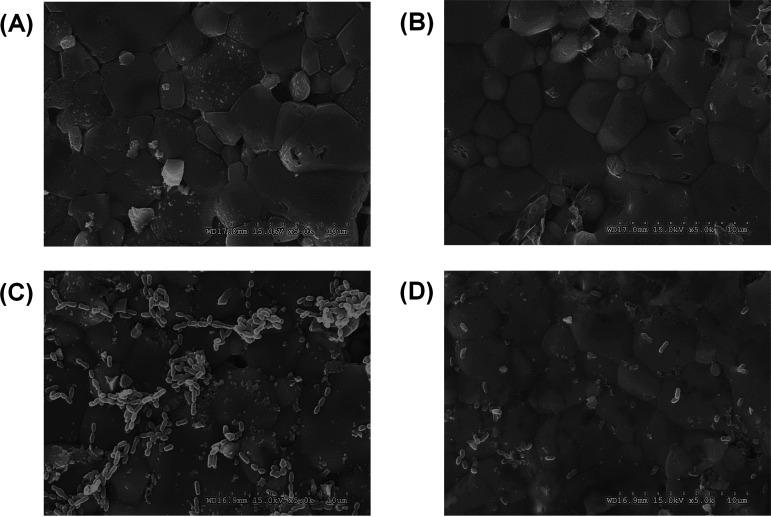
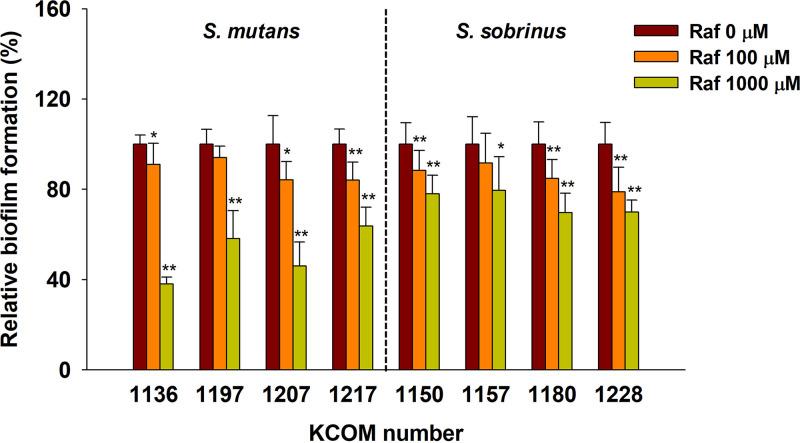
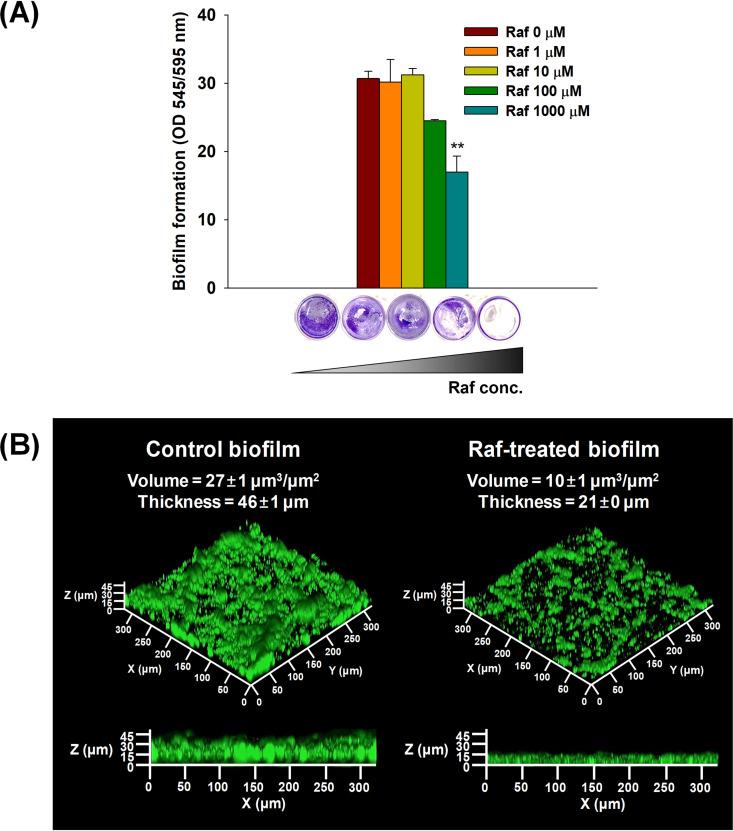
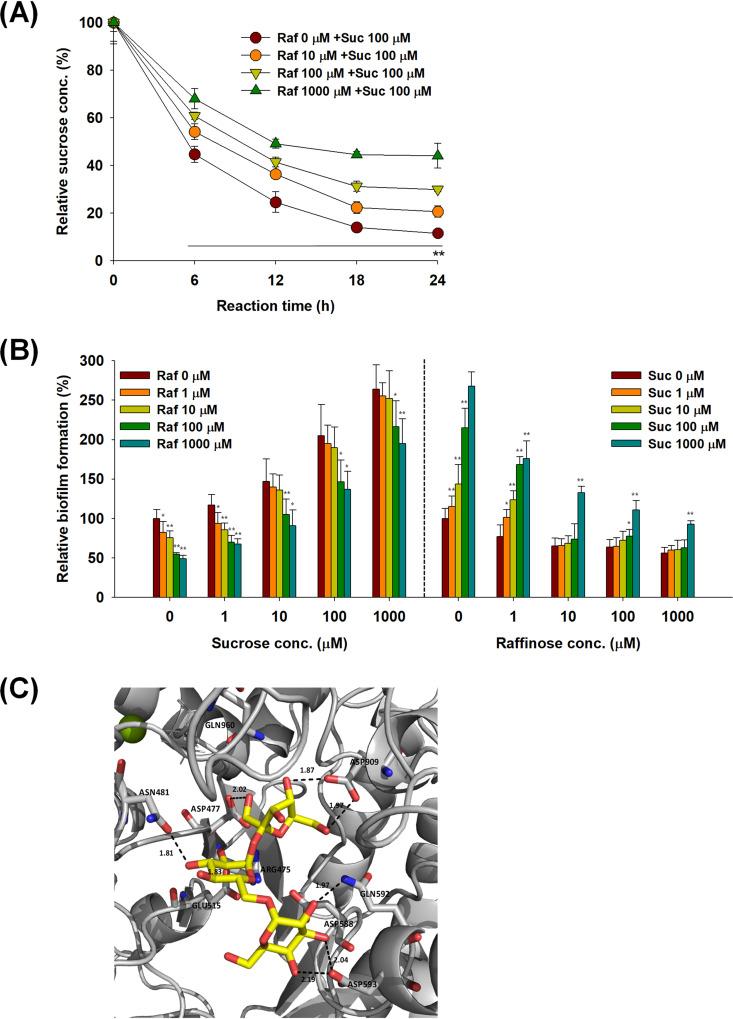
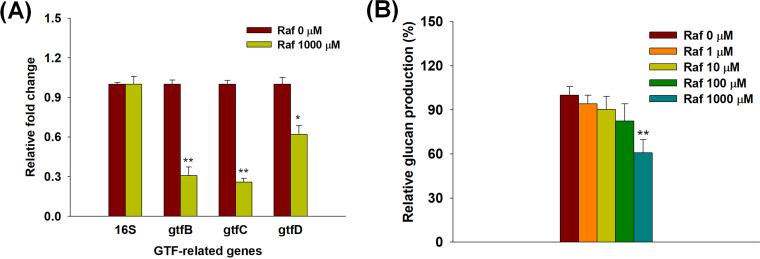
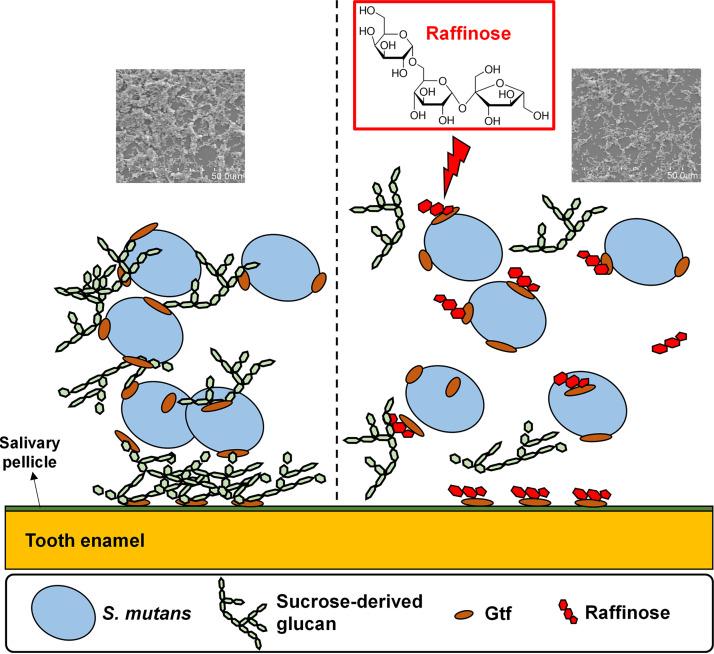
Streptococcus mutans is a representative biofilm-forming bacterium that causes dental caries through glucosyltransferase (GTF) activity. Glucans are synthesized from sucrose by GTFs and provide binding sites for S. mutans to adhere tightly to the tooth enamel. Therefore, if a novel compound that interferes with GTF function is developed, biofilm formation control in S. mutans would be possible. We discovered that raffinose, an oligosaccharide from natural products, strongly inhibited biofilm formation, GTF-related gene expression, and glucan production. Furthermore, biofilm inhibition on saliva-coated hydroxyapatite discs through the reduction of bacterial adhesion indicated the applicability of raffinose in oral health. These effects of raffinose appear to be due to its ability to modulate GTF activity in S. mutans. Hence, raffinose may be considered an antibiofilm agent for use as a substance for oral supplies and dental materials to prevent dental caries. Dental caries is the most prevalent infectious disease and is expensive to manage. Dental biofilms can be eliminated via mechanical treatment or inhibited using antibiotics. However, bacteria that are not entirely removed or are resistant to antibiotics can still form biofilms. In this study, we found that raffinose inhibited biofilm formation by S. mutans, a causative agent of dental caries, possibly through binding to GtfC. Our findings support the notion that biofilm inhibition by raffinose can be exerted by interference with GTF function, compensating for the shortcomings of existing commercialized antibiofilm methods. Furthermore, raffinose is an ingredient derived from natural products and can be safely utilized in humans; it has no smell and tastes sweet. Therefore, raffinose, which can control S. mutans biofilm formation, has been suggested as a substance for oral supplies and dental materials to prevent dental caries.
变形链球菌是一种代表性的生物膜形成菌,通过葡糖基转移酶(GTF)活性引起龋齿。GTFs 将蔗糖合成葡聚糖,为变形链球菌紧密附着在牙釉质上提供结合位点。因此,如果开发出一种干扰 GTF 功能的新型化合物,就有可能控制变形链球菌的生物膜形成。我们发现,从天然产物中提取的低聚糖棉子糖强烈抑制生物膜形成、GTF 相关基因表达和葡聚糖产生。此外,通过减少细菌黏附作用,棉子糖对唾液包被羟基磷灰石片上生物膜的抑制作用表明其在口腔健康方面的适用性。棉子糖的这些作用似乎是由于其能够调节变形链球菌中的 GTF 活性。因此,棉子糖可被视为一种抗生物膜剂,可作为口腔用品和牙科材料的物质,以预防龋齿。龋齿是最常见的传染病,治疗费用昂贵。可以通过机械处理或使用抗生素抑制口腔生物膜。然而,没有完全清除或对抗生素有抗性的细菌仍然可以形成生物膜。在这项研究中,我们发现棉子糖通过与 GtfC 结合抑制了龋齿病原体变形链球菌的生物膜形成。我们的研究结果支持这样一种观点,即棉子糖通过干扰 GTF 功能抑制生物膜形成,可以弥补现有商业化抗生物膜方法的缺点。此外,棉子糖是一种源自天然产物的成分,可以安全地用于人类;它没有气味,味道甜美。因此,棉子糖可以控制变形链球菌生物膜的形成,被建议作为口腔用品和牙科材料的物质,以预防龋齿。
 Zotero 插件