
研究考虑能源和消费税的可持续闭环供应链中的双通道网络。
Investigating a Dual-Channel Network in a Sustainable Closed-Loop Supply Chain Considering Energy Sources and Consumption Tax.
机构信息
Department of Industrial Engineering, K. N. Toosi University of Technology, Tehran 1969764499, Iran.
Organization Engineering Group, School of Engineering, University of Seville, Camino de los Descubrimientos s/n, 41092 Seville, Spain.
出版信息
Sensors (Basel). 2022 May 6;22(9):3547. doi: 10.3390/s22093547.
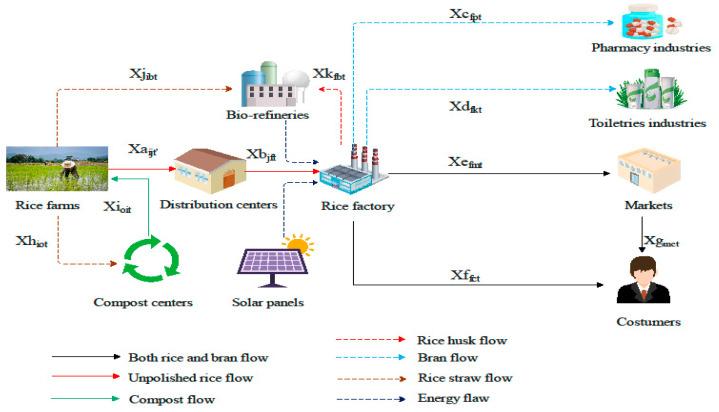
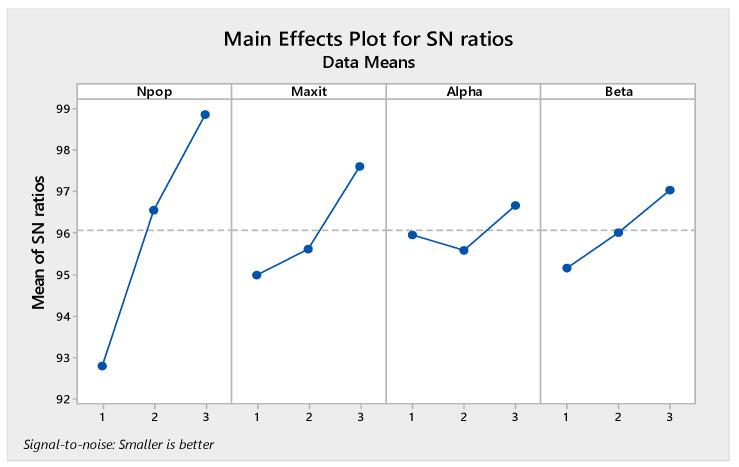
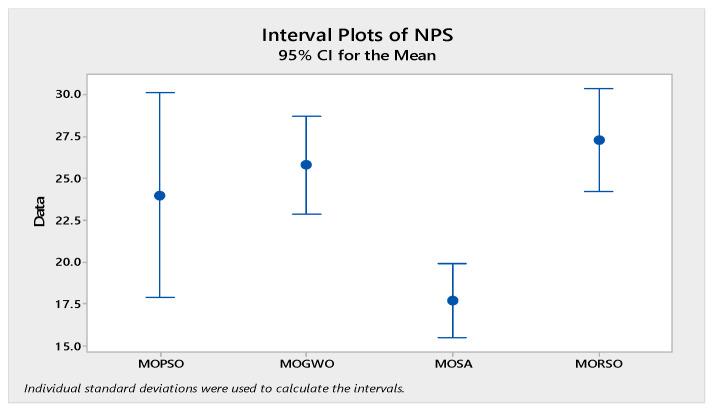
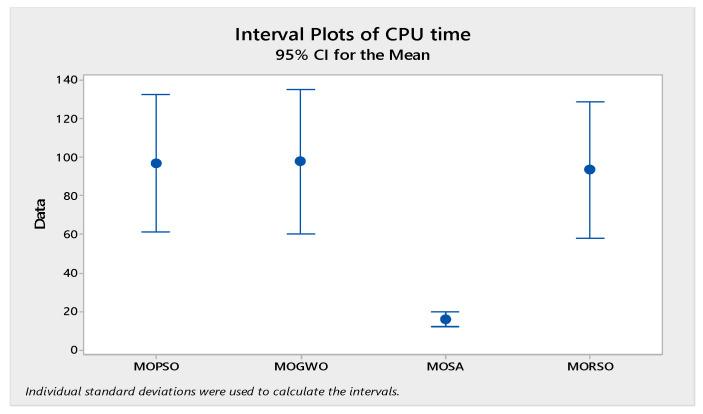
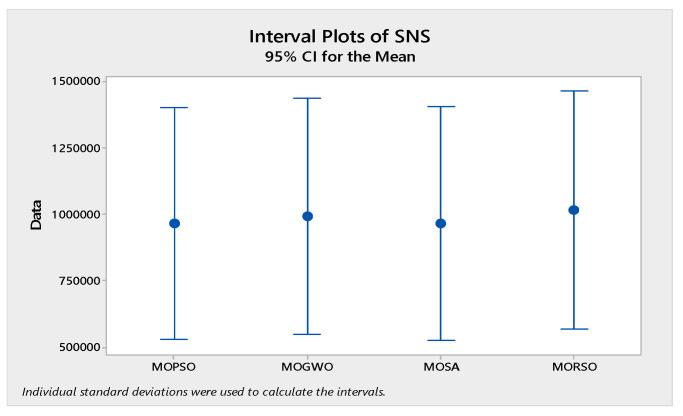
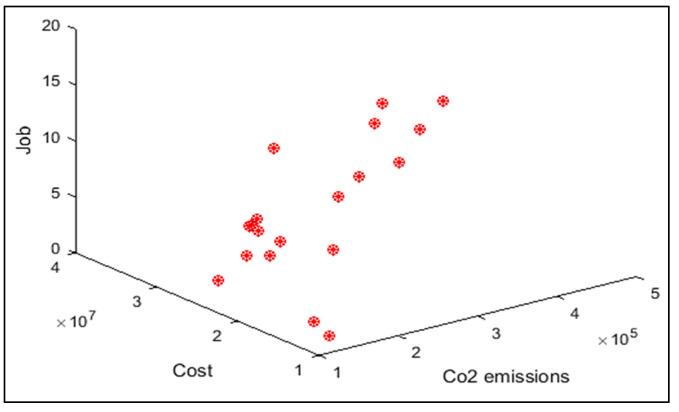
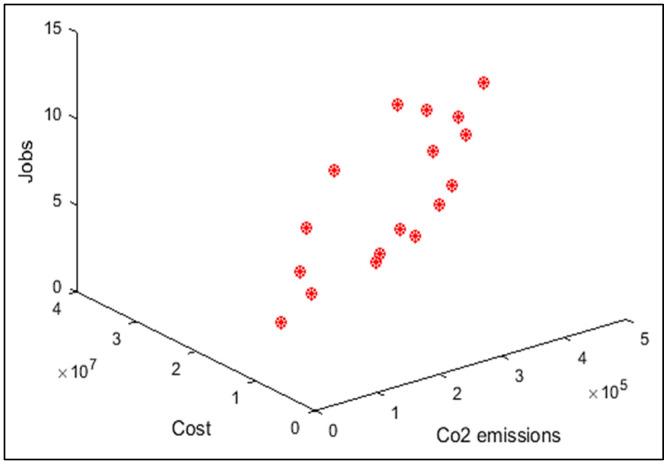
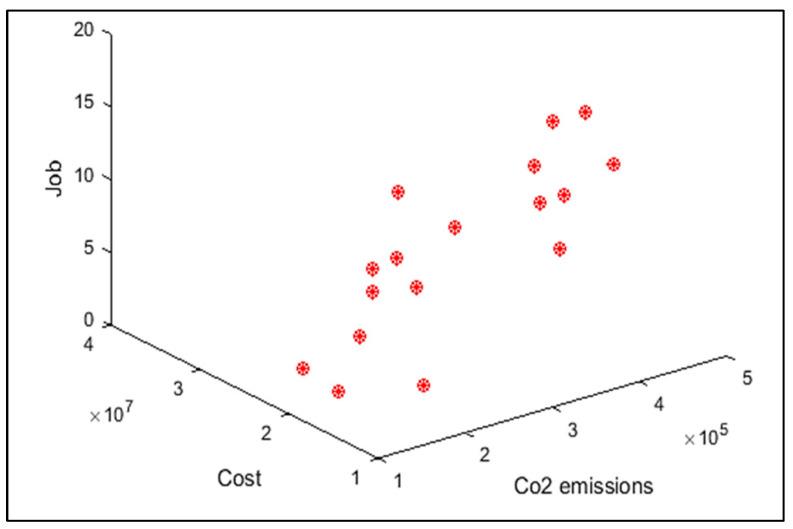
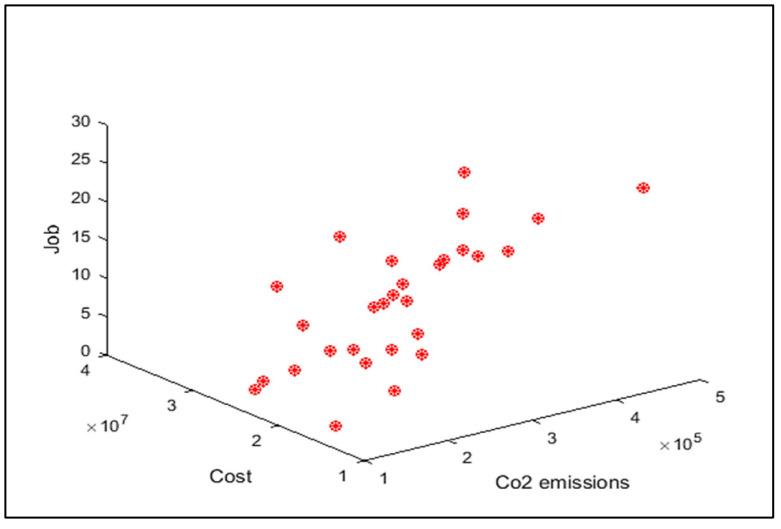
This paper proposes a dual-channel network of a sustainable Closed-Loop Supply Chain (CLSC) for rice considering energy sources and consumption tax. A Mixed Integer Linear Programming (MILP) model is formulated for optimizing the total cost, the amount of pollutants, and the number of job opportunities created in the proposed supply chain network under the uncertainty of cost, supply, and demand. In addition, to deal with uncertainty, fuzzy logic is used. Moreover, four multi-objective metaheuristic algorithms are employed to solve the model, which include a novel multi-objective version of the recently proposed metaheuristic algorithm known as Multi-Objective Reptile Search Optimizer (MORSO), Multi-Objective Simulated Annealing (MOSA), Multi-Objective Particle Swarm Optimization (MOPSO), and Multi-Objective Grey Wolf (MOGWO). All the algorithms are evaluated using LP-metric in small sizes and their results and performance are compared based on criteria such as Max Spread (MS), Spread of Non-Dominance Solution (SNS), the number of Pareto solutions (NPS), Mean Ideal Distance (MID), and CPU time. In addition, to achieve better results, the parameters of all algorithms are tuned by the Taguchi method. The programmed model is implemented using a real case study in Iran to confirm its accuracy and efficiency. To further evaluate the current model, some key parameters are subject to sensitivity analysis. Empirical results indicate that MORSO performed very well and by constructing solar panel sites and producing energy out of rice waste up to 19% of electricity can be saved.
本文提出了一个考虑能源和消费税的水稻可持续闭环供应链(CLSC)双通道网络。针对成本、供应和需求不确定性,建立了一个混合整数线性规划(MILP)模型,用于优化所提出供应链网络的总成本、污染物排放量和创造的工作岗位数量。此外,为了应对不确定性,使用了模糊逻辑。此外,还采用了四种多目标元启发式算法来解决模型问题,包括一种新的多目标版本的最近提出的元启发式算法,称为多目标爬行动物搜索优化器(MORSO)、多目标模拟退火(MOSA)、多目标粒子群优化(MOPSO)和多目标灰狼优化(MOGWO)。所有算法都使用 LP 度量在小尺寸上进行评估,并根据最大间距 (MS)、非支配解集间距 (SNS)、帕累托解集数量 (NPS)、平均理想距离 (MID) 和 CPU 时间等标准比较其结果和性能。此外,为了获得更好的结果,使用田口法对所有算法的参数进行了调整。该编程模型使用伊朗的实际案例研究进行了实现,以验证其准确性和效率。为了进一步评估当前模型,对一些关键参数进行了敏感性分析。实证结果表明,MORSO 表现非常好,通过构建太阳能电池板站点和利用水稻废弃物产生能源,可节省高达 19%的电力。







 Zotero 插件