
不同类型材料合成的复合吸附剂对氟化物的协同吸附——综述
Synergistic Fluoride Adsorption by Composite Adsorbents Synthesized From Different Types of Materials-A Review.
作者信息
Wei Yifei, Wang Li, Li Hanbing, Yan Wei, Feng Jiangtao
机构信息
Xi'an Key Laboratory of Solid Waste Recycling and Resource Recovery, Department of Environmental Science and Engineering, School of Energy and Power Engineering, Xi'an Jiaotong University, Xi'an, China.
出版信息
Front Chem. 2022 May 4;10:900660. doi: 10.3389/fchem.2022.900660. eCollection 2022.
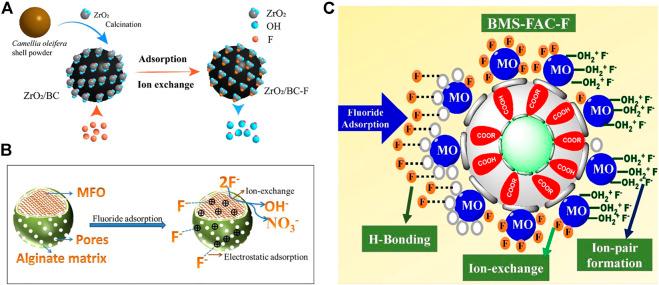
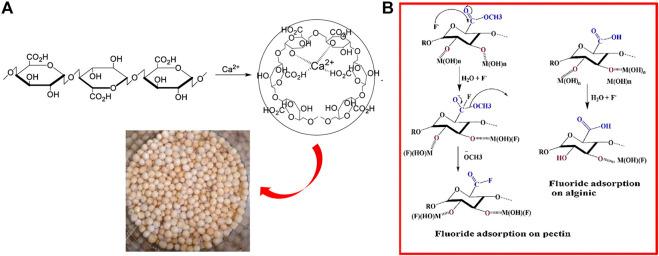
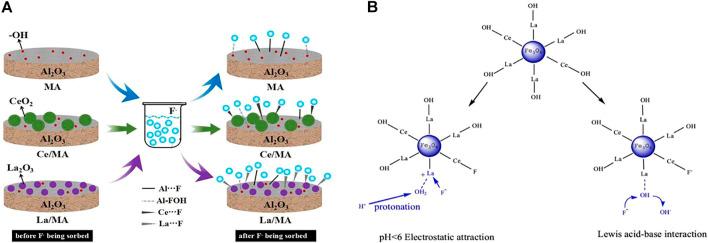
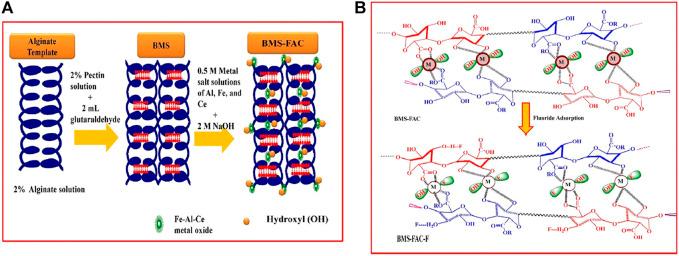
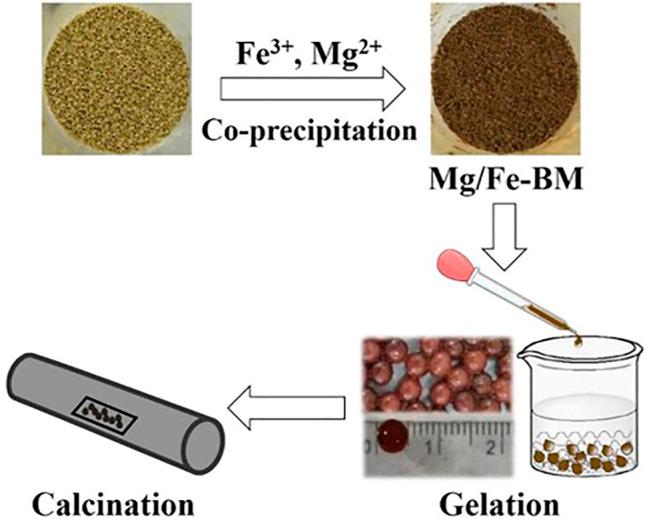
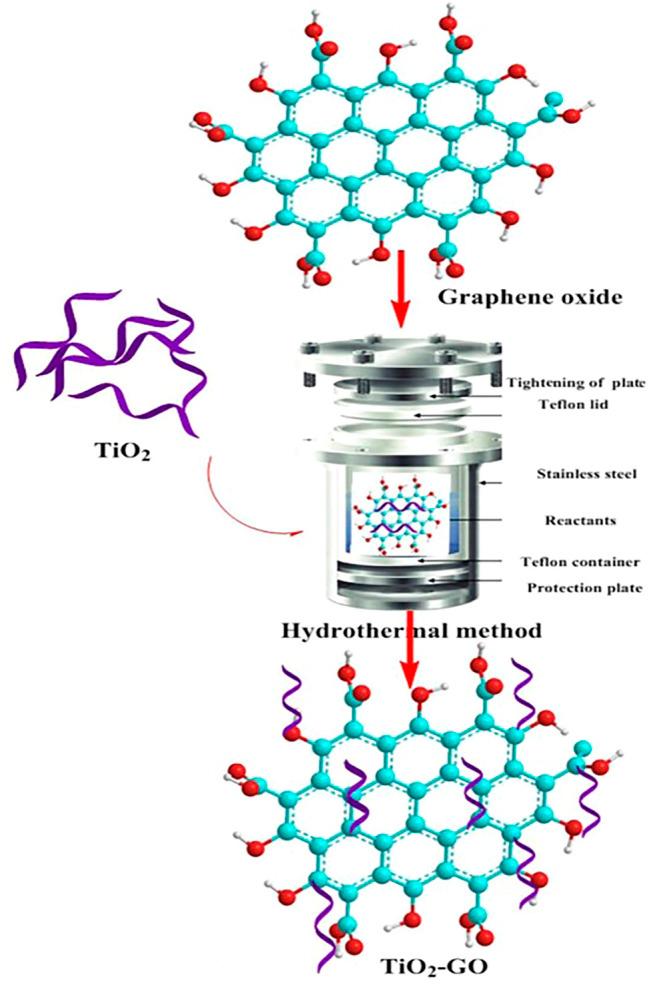
The reduction of fluoride concentrations in water is one of many concerns. Adsorption is the most widely used technology for fluoride removal and the center to development of adsorption technology is the improvement of adsorbents. This review classifies the typical fluoride removal adsorbents into four types: metal oxides/hydroxides, biopolymers, carbon-based, and other adsorbents. The exploitation of new materials and the synthesis of composite materials are two ways of developing new adsorbents. In comparison to the discovery of novel adsorbents for fluoride adsorption, research into the composite synthesis of different types of conventional adsorbents has proliferated in recent years. The traditional adsorbents used the earliest, metal oxides, can act as active centers in a wide range of applications for modifying and compounding with other types of adsorbents. This study emphasizes reviewing the research on fluoride removal by composite adsorbents synthesized from different types of metal-modified materials. Seven factors were compared in terms of material characterization, initial fluoride concentration, adsorbent dose, pH, temperature, reaction time, and maximum adsorption capacity. The modification of composite adsorbents is facile and the synergistic effect of the different types of adsorbents significantly improves fluoride adsorption capacity. Metal composite adsorbents are synthesized by facile coprecipitation, hydrothermal, or impregnation modification methods. The adsorption mechanisms involve electrostatic attraction, ion exchange, complexation, and hydrogen bonding. The fluoride adsorption capacity of composite adsorbents has generally improved, indicating that most modifications are successful and have application prospects. However, to achieve significant breakthroughs in practical applications, numerous issues such as cost, separation/regeneration performance, and safety still need to be considered.
降低水中氟化物浓度是众多关注点之一。吸附是去除氟化物最广泛使用的技术,而吸附技术发展的核心是吸附剂的改进。本综述将典型的除氟吸附剂分为四类:金属氧化物/氢氧化物、生物聚合物、碳基吸附剂和其他吸附剂。开发新材料和合成复合材料是开发新型吸附剂的两种方式。与发现新型氟吸附剂相比,近年来对不同类型传统吸附剂的复合合成研究激增。最早使用的传统吸附剂金属氧化物,在与其他类型吸附剂改性和复合的广泛应用中可作为活性中心。本研究着重综述了由不同类型金属改性材料合成的复合吸附剂除氟的研究。从材料表征、初始氟化物浓度、吸附剂剂量、pH值、温度、反应时间和最大吸附容量等七个方面进行了比较。复合吸附剂的改性简便,不同类型吸附剂的协同效应显著提高了氟吸附容量。金属复合吸附剂通过简便的共沉淀、水热或浸渍改性方法合成。吸附机制包括静电吸引、离子交换、络合和氢键作用。复合吸附剂的氟吸附容量普遍有所提高,表明大多数改性是成功的且具有应用前景。然而,要在实际应用中取得重大突破,仍需考虑成本、分离/再生性能和安全性等诸多问题。



 Zotero 插件