
在 SARS-CoV-2 感染过程中,lncRNAs、RNA 结合蛋白和病毒基因组之间的相互作用揭示了与 RNA 代谢和免疫反应相关的调控事件之间的紧密联系。
The interplay between lncRNAs, RNA-binding proteins and viral genome during SARS-CoV-2 infection reveals strong connections with regulatory events involved in RNA metabolism and immune response.
机构信息
COVID-19 International Research Team (COV-IRT).
Instituto de Medicina Molecular João Lobo Antunes, Faculdade de Medicina, Universidade de Lisboa, 1649-028 Lisboa, Portugal.
出版信息
Theranostics. 2022 May 9;12(8):3946-3962. doi: 10.7150/thno.73268. eCollection 2022.
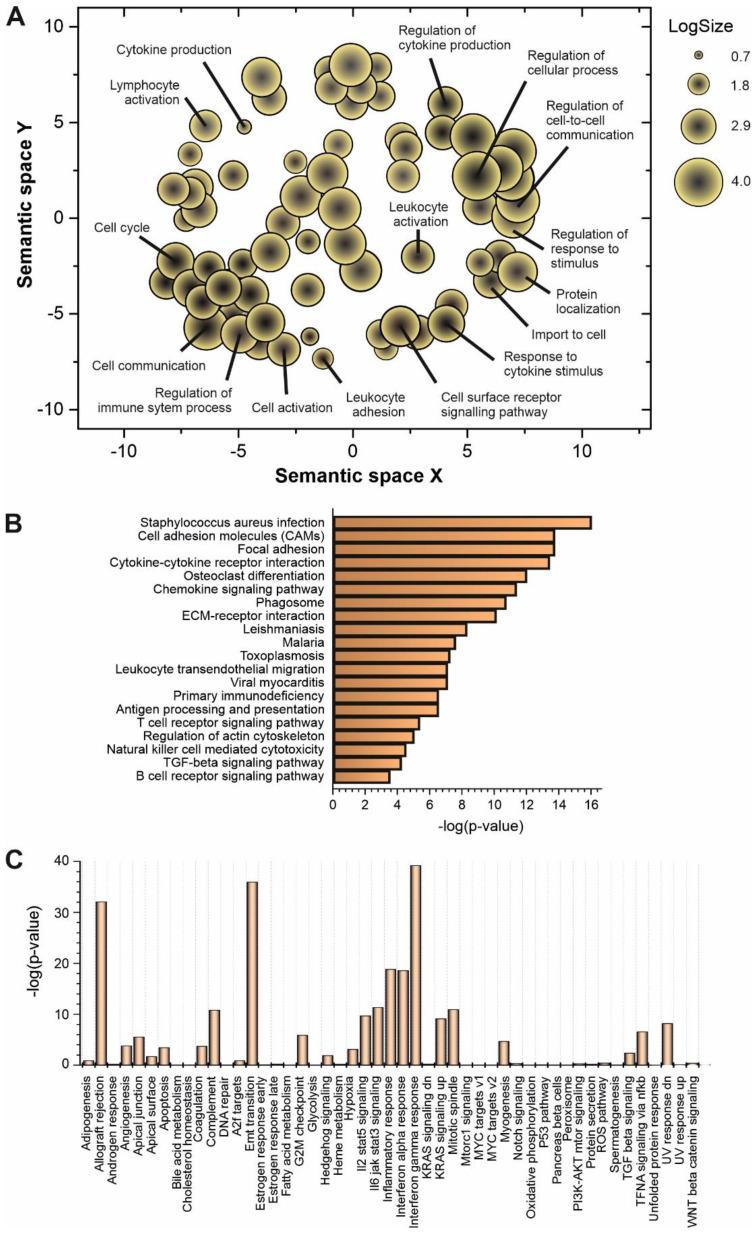
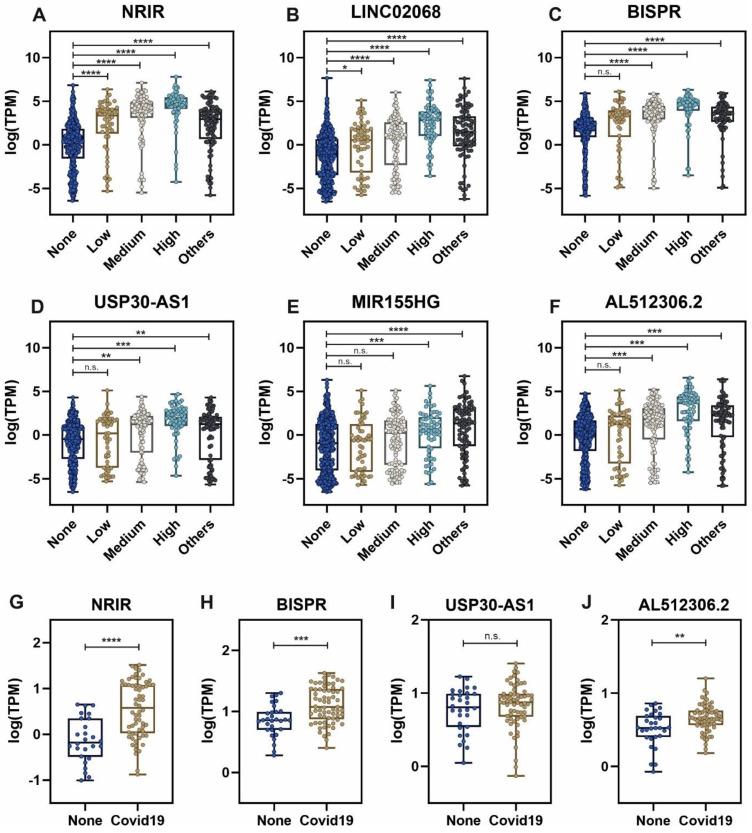
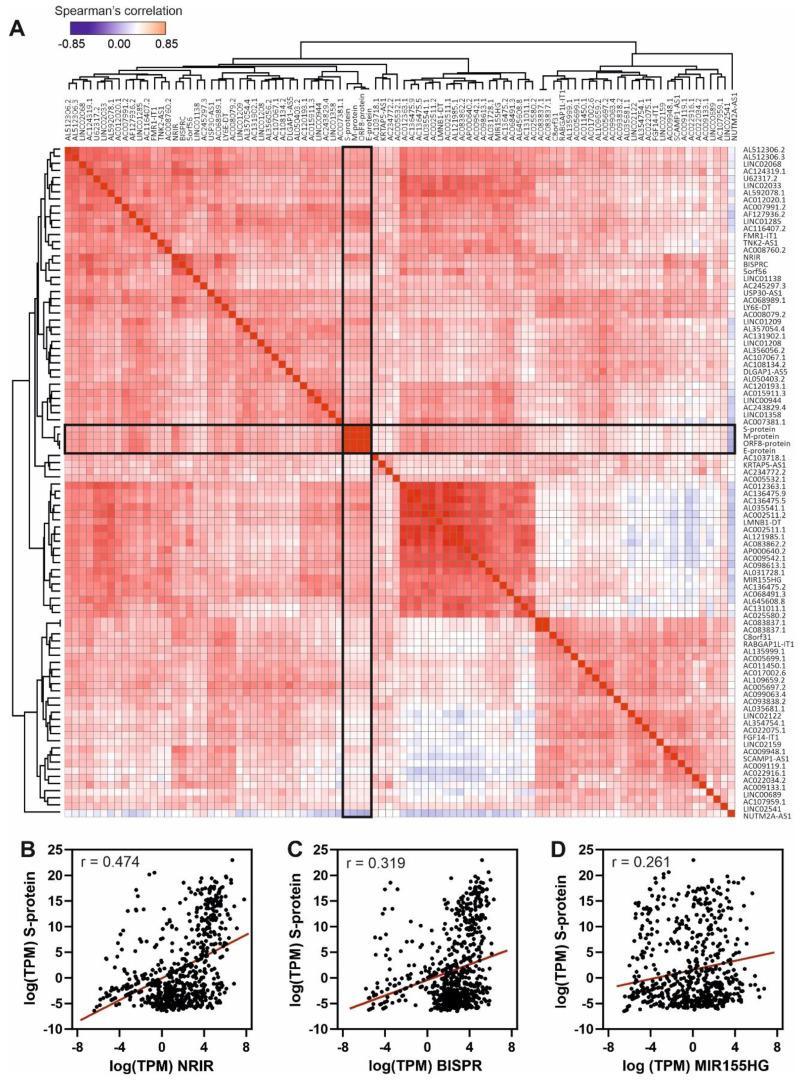
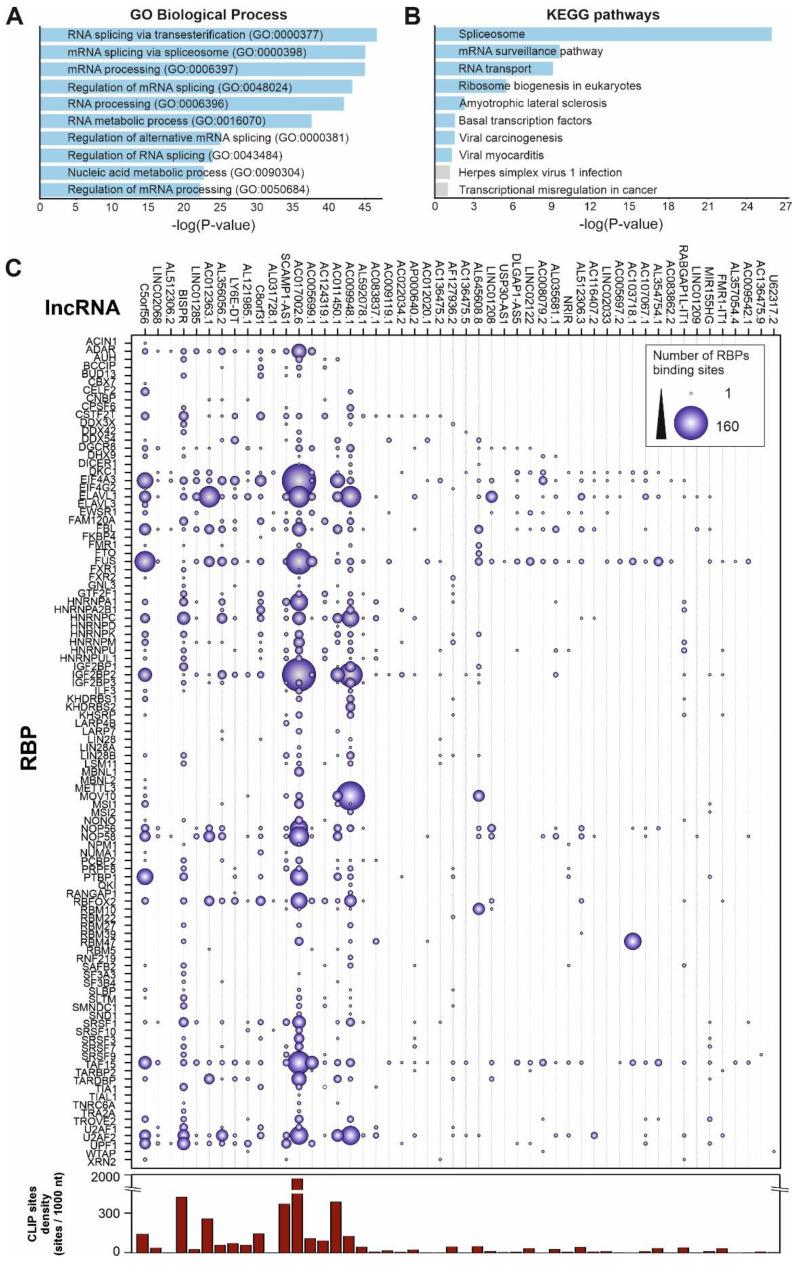
Viral infections are complex processes based on an intricate network of molecular interactions. The infectious agent hijacks components of the cellular machinery for its profit, circumventing the natural defense mechanisms triggered by the infected cell. The successful completion of the replicative viral cycle within a cell depends on the function of viral components versus the cellular defenses. Non-coding RNAs (ncRNAs) are important cellular modulators, either promoting or preventing the progression of viral infections. Among these ncRNAs, the long non-coding RNA (lncRNA) family is especially relevant due to their intrinsic functional properties and ubiquitous biological roles. Specific lncRNAs have been recently characterized as modulators of the cellular response during infection of human host cells by single stranded RNA viruses. However, the role of host lncRNAs in the infection by human RNA coronaviruses such as SARS-CoV-2 remains uncharacterized. In the present work, we have performed a transcriptomic study of a cohort of patients with different SARS-CoV-2 viral load and analyzed the involvement of lncRNAs in supporting regulatory networks based on their interaction with RNA-binding proteins (RBPs). Our results revealed the existence of a SARS-CoV-2 infection-dependent pattern of transcriptional up-regulation in which specific lncRNAs are an integral component. To determine the role of these lncRNAs, we performed a functional correlation analysis complemented with the study of the validated interactions between lncRNAs and RBPs. This combination of functional association studies and experimental evidence allowed us to identify a lncRNA signature composed of six elements - NRIR, BISPR, MIR155HG, FMR1-IT1, USP30-AS1, and U62317.2 - associated with the regulation of SARS-CoV-2 infection. We propose a competition mechanism between the viral RNA genome and the regulatory lncRNAs in the sequestering of specific RBPs that modulates the interferon response and the regulation of RNA surveillance by nonsense-mediated decay (NMD).
病毒感染是一个复杂的过程,基于分子相互作用的复杂网络。感染因子劫持细胞机制的成分来为自己谋利,规避被感染细胞触发的自然防御机制。病毒在细胞内完成复制周期的成功取决于病毒成分的功能与细胞防御之间的平衡。非编码 RNA(ncRNA)是重要的细胞调节剂,既能促进也能阻止病毒感染的进展。在这些 ncRNA 中,长链非编码 RNA(lncRNA)家族因其内在的功能特性和广泛的生物学作用而尤为重要。最近,特定的 lncRNA 被描述为在单链 RNA 病毒感染人类宿主细胞时调节细胞反应的调节剂。然而,宿主 lncRNA 在人类 RNA 冠状病毒(如 SARS-CoV-2)感染中的作用仍未被描述。在本研究中,我们对一组具有不同 SARS-CoV-2 病毒载量的患者进行了转录组学研究,并根据它们与 RNA 结合蛋白(RBP)的相互作用,分析了 lncRNA 在支持调节网络中的作用。我们的研究结果揭示了一种依赖 SARS-CoV-2 感染的转录上调模式,其中特定的 lncRNA 是其组成部分。为了确定这些 lncRNA 的作用,我们进行了功能相关性分析,并结合 lncRNA 和 RBP 之间验证的相互作用进行了研究。这种功能关联研究与实验证据的结合使我们能够确定一个由六个元素组成的 lncRNA 特征,包括 NRIR、BISPR、MIR155HG、FMR1-IT1、USP30-AS1 和 U62317.2,它们与 SARS-CoV-2 感染的调控有关。我们提出了一种竞争机制,即病毒 RNA 基因组与调节 lncRNA 之间对特定 RBP 的争夺,这种竞争调节了干扰素反应和通过无意义介导的衰变(NMD)对 RNA 监测的调控。


 Zotero 插件