
从废绿茶中制备具有应用前景的低成本吸附剂用于水溶液中苯酚的去除。
Promising Low-Cost Adsorbent from Waste Green Tea Leaves for Phenol Removal in Aqueous Solution.
机构信息
School of Environmental Studies, China University of Geosciences, Wuhan 430078, China.
State Key Laboratory of Biogeology and Environmental Geology, China University of Geosciences, Wuhan 430078, China.
出版信息
Int J Environ Res Public Health. 2022 May 24;19(11):6396. doi: 10.3390/ijerph19116396.
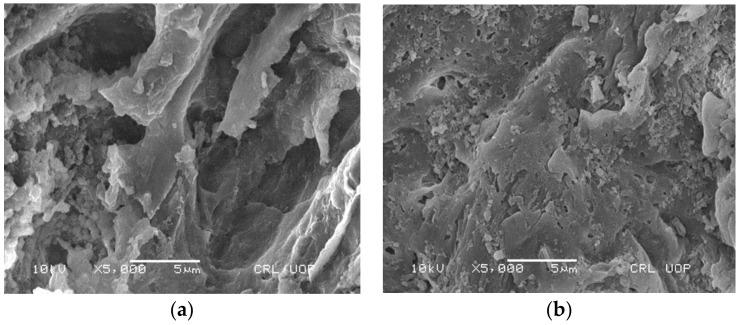
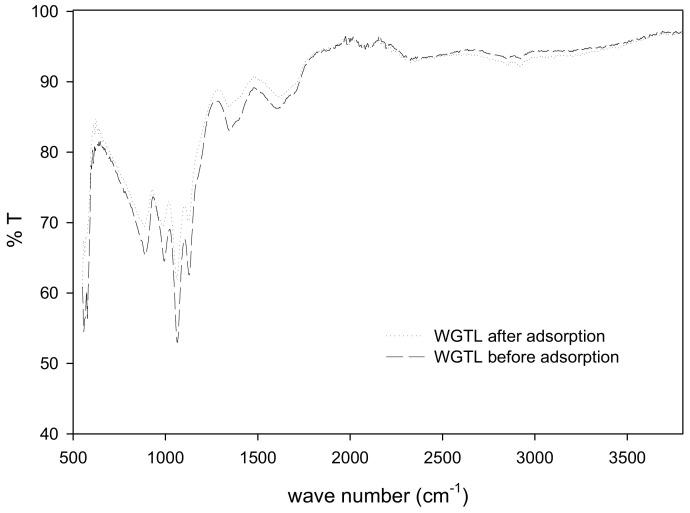
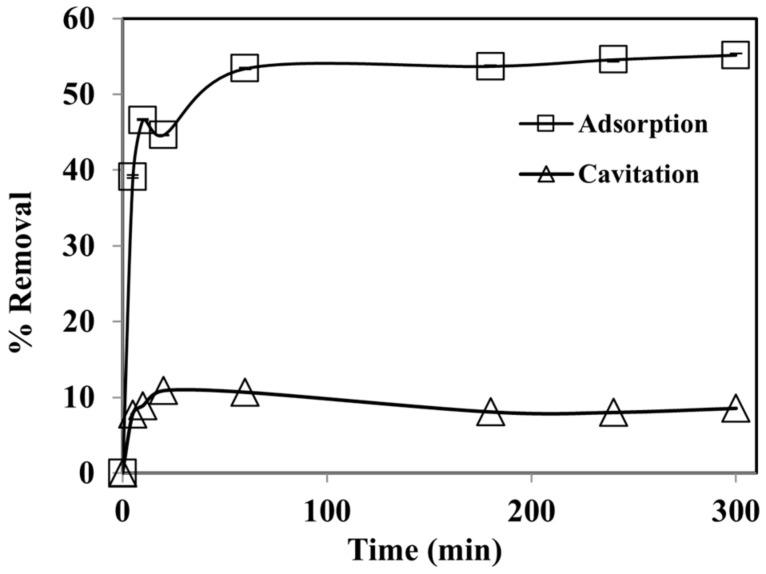
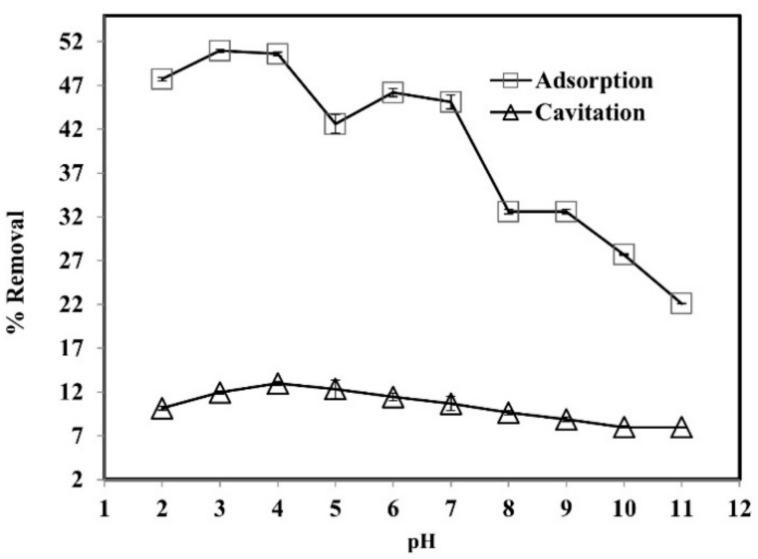
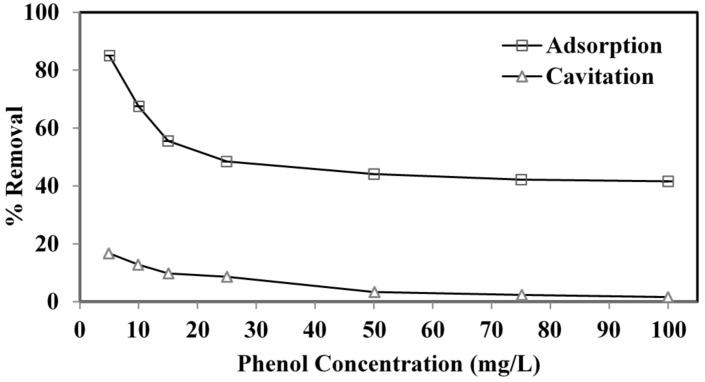
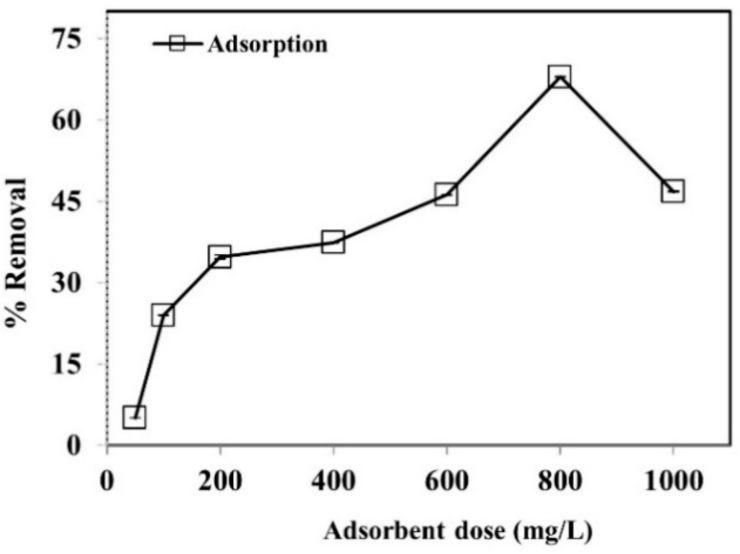
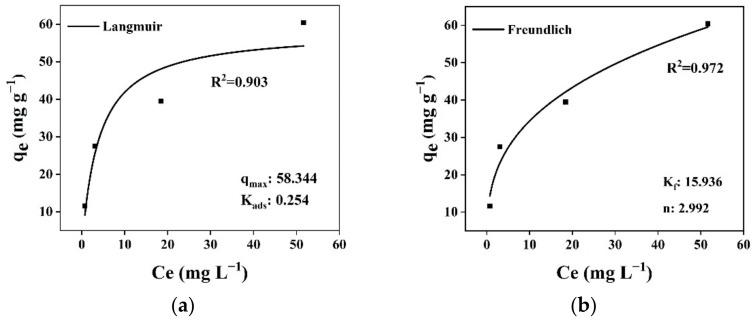
Phenol is the most common organic pollutant in many industrial wastewaters that may pose a health risk to humans due to its widespread application as industrial ingredients and additives. In this study, waste green tea leaves (WGTLs) were modified through chemical activation/carbonization and used as an adsorbent in the presence of ultrasound (cavitation) to eliminate phenol in the aqueous solution. Different treatments, such as cavitation, adsorption, and sono-adsorption were investigated to remove the phenol. The scanning electron microscope (SEM) morphology of the adsorbent revealed that the structure of WGTLs was porous before phenol was adsorbed. A Fourier Transform Infrared (FTIR) analysis showed an open chain of carboxylic acids after the sono-adsorption process. The results revealed that the sono-adsorption process is more efficient with enhanced removal percentages than individual processes. A maximum phenol removal of 92% was obtained using the sono-adsorption process under an optimal set of operating parameters, such as pH 3.5, 25 mg L phenol concentration, 800 mg L adsorbent dosage, 60 min time interval, 30 ± 2 °C temperature, and 80 W cavitation power. Removal of chemical oxygen demand (COD) and total organic carbon (TOC) reached 85% and 53%. The Freundlich isotherm model with a larger correlation coefficient (R, 0.972) was better fitted for nonlinear regression than the Langmuir model, and the sono-adsorption process confirmed the pseudo-second-order reaction kinetics. The findings indicated that WGTLs in the presence of a cavitation effect prove to be a promising candidate for reducing phenol from the aqueous environment.
苯酚是许多工业废水中最常见的有机污染物,由于其作为工业原料和添加剂的广泛应用,可能对人类健康构成威胁。在本研究中,通过化学活化/碳化对废绿茶(WGTL)进行了改性,并在超声(空化)存在的情况下将其用作吸附剂,以消除水溶液中的苯酚。研究了不同的处理方法,如空化、吸附和超声吸附,以去除苯酚。吸附剂的扫描电子显微镜(SEM)形貌表明,在吸附苯酚之前,WGTL 的结构是多孔的。傅里叶变换红外(FTIR)分析表明,在超声吸附过程后存在羧酸的开链。结果表明,超声吸附过程比单独的过程更有效,去除率更高。在最佳操作参数下,使用超声吸附过程可获得 92%的最大苯酚去除率,例如 pH 3.5、25 mg L 苯酚浓度、800 mg L 吸附剂剂量、60 min 时间间隔、30 ± 2°C 温度和 80 W 空化功率。化学需氧量(COD)和总有机碳(TOC)的去除率分别达到 85%和 53%。与 Langmuir 模型相比,具有较大相关系数(R,0.972)的 Freundlich 等温模型更适合非线性回归,超声吸附过程证实了准二级反应动力学。研究结果表明,在空化效应存在的情况下,WGTL 被证明是从水环境中减少苯酚的有前途的候选物。




 Zotero 插件