
靶向哮喘中的胸腺基质淋巴细胞生成素(TSLP)
Targeting TSLP in Asthma.
作者信息
Parnes Jane R, Molfino Nestor A, Colice Gene, Martin Ubaldo, Corren Jonathan, Menzies-Gow Andrew
机构信息
Amgen, Thousand Oaks, CA, USA.
AstraZeneca, Gaithersburg, MD, USA.
出版信息
J Asthma Allergy. 2022 Jun 3;15:749-765. doi: 10.2147/JAA.S275039. eCollection 2022.
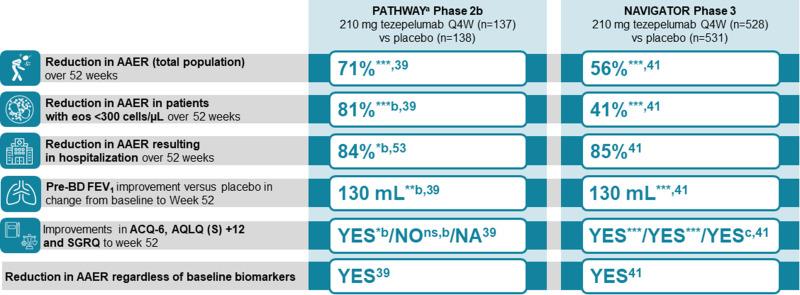
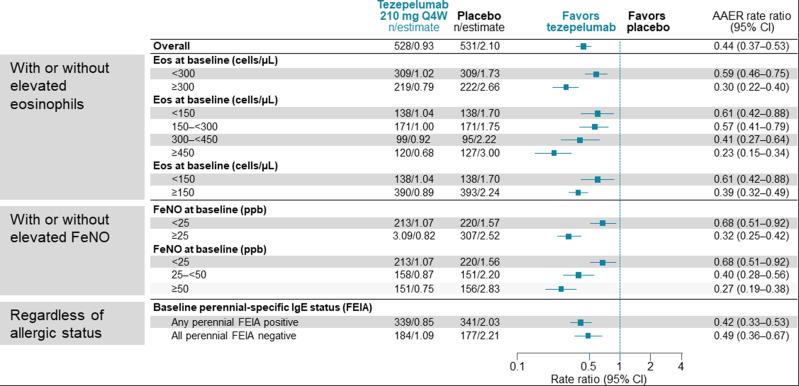
Thymic stromal lymphopoietin (TSLP) is an epithelial cell-derived cytokine implicated in the initiation and persistence of inflammatory pathways in asthma. Released in response to a range of epithelial insults (eg, allergens, viruses, bacteria, pollutants, and smoke), TSLP initiates multiple downstream innate and adaptive immune responses involved in asthma inflammation. Inhibition of TSLP is postulated to represent a novel approach to treating the diverse phenotypes and endotypes of asthma. Tezepelumab, the TSLP inhibitor farthest along in clinical development, is a human monoclonal antibody (IgG2λ) that binds specifically to TSLP, preventing interactions with its heterodimeric receptor. Results of recently published phase 2 and 3 studies, reviewed in this article, provide evidence of the safety and efficacy of tezepelumab that builds on initial findings. Tezepelumab is safe, well tolerated, and provides clinically meaningful improvements in asthma control, including reduced incidence of exacerbations and hospitalizations in patients with severe asthma. Clinical benefits were associated with reductions in levels of a broad spectrum of cytokines (eg, interleukin [IL]-5, IL-13) and baseline biomarkers (eg, blood eosinophils, immunoglobulin [Ig]E, fractional exhaled nitric oxide [FeNO]) and were observed across a range of severe asthma phenotypes (ie, eosinophilic and non-eosinophilic). These data strengthen the notion that anti-TSLP elicits broad inhibitory effects on pathways that are key to asthma inflammation rather than on narrower inhibition of individual downstream factors. This review presents the rationale for targeting TSLP to treat asthma, as well as the clinical effects of TSLP blockade on asthma outcomes, biomarkers of disease activity, airway inflammation, lung physiology, and patient symptoms.
胸腺基质淋巴细胞生成素(TSLP)是一种由上皮细胞产生的细胞因子,与哮喘炎症途径的启动和持续存在有关。TSLP会因一系列上皮损伤(如过敏原、病毒、细菌、污染物和烟雾)而释放,启动参与哮喘炎症的多种下游先天性和适应性免疫反应。抑制TSLP被认为是一种治疗哮喘多种表型和内型的新方法。tezepelumab是临床开发中进展最远的TSLP抑制剂,是一种人单克隆抗体(IgG2λ),它特异性结合TSLP,阻止其与异二聚体受体相互作用。本文综述的最近发表的2期和3期研究结果,在初步研究结果的基础上,提供了tezepelumab安全性和有效性的证据。Tezepelumab安全、耐受性良好,并在哮喘控制方面带来具有临床意义的改善,包括降低重度哮喘患者的急性加重和住院发生率。临床益处与多种细胞因子(如白细胞介素[IL]-5、IL-13)和基线生物标志物(如血液嗜酸性粒细胞、免疫球蛋白[Ig]E、呼出一氧化氮分数[FeNO])水平的降低相关,并且在一系列重度哮喘表型(即嗜酸性粒细胞性和非嗜酸性粒细胞性)中均有观察到。这些数据强化了这样一种观念,即抗TSLP对哮喘炎症关键途径产生广泛的抑制作用,而不是对单个下游因子进行更狭义的抑制。本综述介绍了靶向TSLP治疗哮喘的基本原理,以及TSLP阻断对哮喘结局、疾病活动生物标志物、气道炎症、肺生理学和患者症状的临床影响。



 Zotero 插件