
S2心音可独立于小鼠血流动力学变化检测主动脉瓣钙化。
S2 Heart Sound Detects Aortic Valve Calcification Independent of Hemodynamic Changes in Mice.
作者信息
Dargam Valentina, Ng Hooi Hooi, Nasim Sana, Chaparro Daniel, Irion Camila Iansen, Seshadri Suhas Rathna, Barreto Armando, Danziger Zachary C, Shehadeh Lina A, Hutcheson Joshua D
机构信息
Department of Biomedical Engineering, Florida International University, Miami, FL, United States.
Department of Human and Molecular Genetics, Florida International University, Miami, FL, United States.
出版信息
Front Cardiovasc Med. 2022 May 25;9:809301. doi: 10.3389/fcvm.2022.809301. eCollection 2022.
BACKGROUND
Calcific aortic valve disease (CAVD) is often undiagnosed in asymptomatic patients, especially in underserved populations. Although artificial intelligence has improved murmur detection in auscultation exams, murmur manifestation depends on hemodynamic factors that can be independent of aortic valve (AoV) calcium load and function. The aim of this study was to determine if the presence of AoV calcification directly influences the S2 heart sound.
METHODS
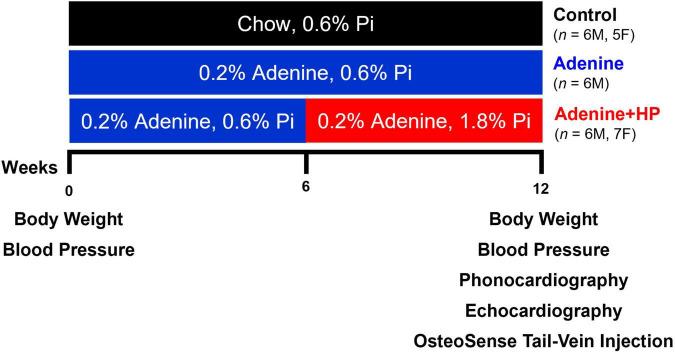
Adult C57BL/6J mice were assigned to the following 12-week-long diets: (1) Control group ( = 11) fed a normal chow, (2) Adenine group ( = 4) fed an adenine-supplemented diet to induce chronic kidney disease (CKD), and (3) Adenine + HP ( = 9) group fed the CKD diet for 6 weeks, then supplemented with high phosphate (HP) for another 6 weeks to induce AoV calcification. Phonocardiograms, echocardiogram-based valvular function, and AoV calcification were assessed at endpoint.
RESULTS
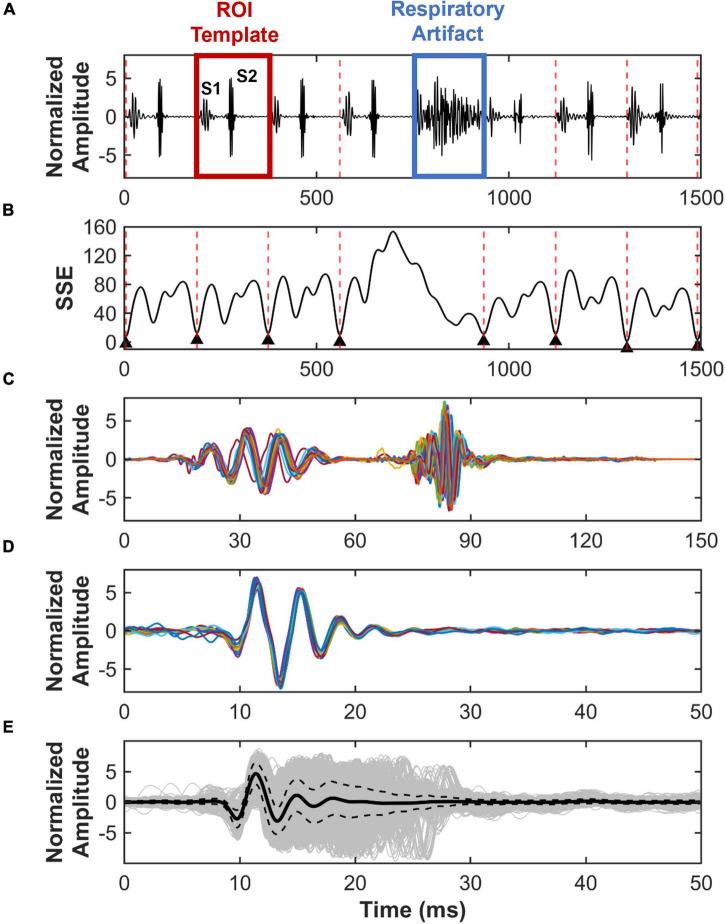
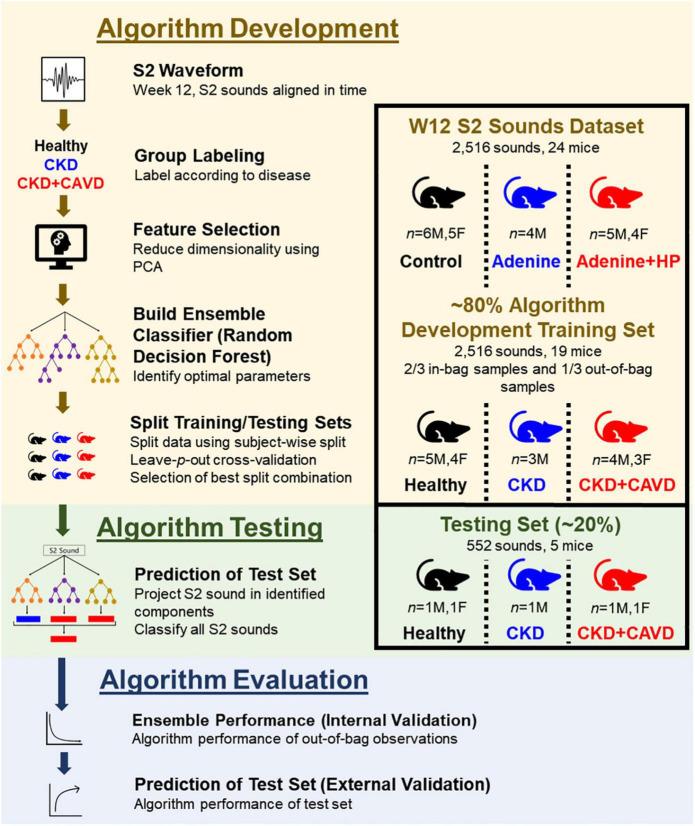
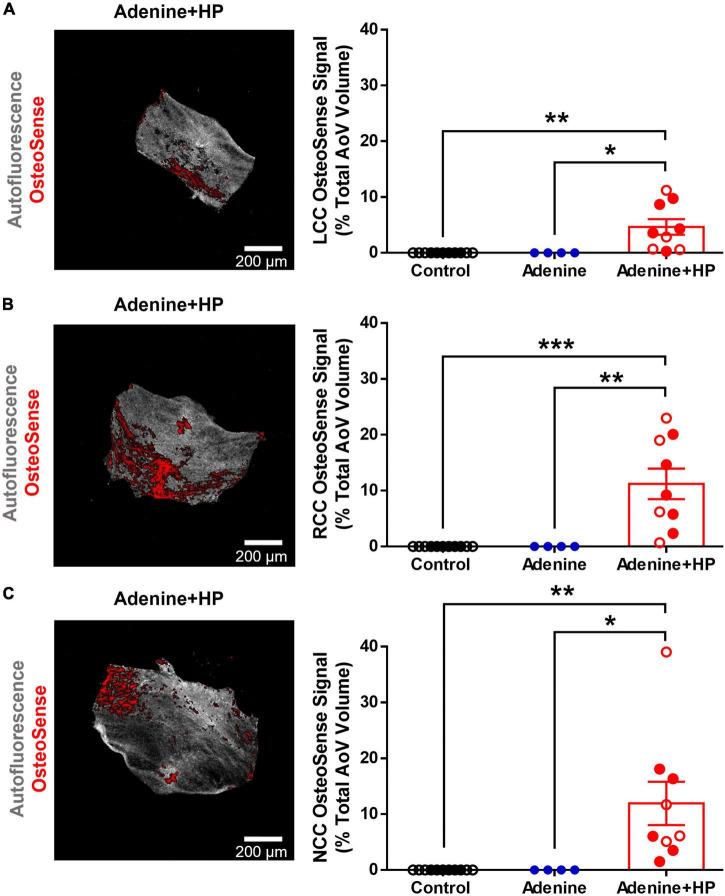
Mice on the Adenine + HP diet had detectable AoV calcification (9.28 ± 0.74% by volume). After segmentation and dimensionality reduction, S2 sounds were labeled based on the presence of disease: Healthy, CKD, or CKD + CAVD. The dataset (2,516 S2 sounds) was split subject-wise, and an ensemble learning-based algorithm was developed to classify S2 sound features. For external validation, the areas under the receiver operating characteristic curve of the algorithm to classify mice were 0.9940 for Healthy, 0.9717 for CKD, and 0.9593 for CKD + CAVD. The algorithm had a low misclassification performance of testing set S2 sounds (1.27% false positive, 1.99% false negative).
CONCLUSION
Our ensemble learning-based algorithm demonstrated the feasibility of using the S2 sound to detect the presence of AoV calcification. The S2 sound can be used as a marker to identify AoV calcification independent of hemodynamic changes observed in echocardiography.
背景
钙化性主动脉瓣疾病(CAVD)在无症状患者中常常未被诊断出来,尤其是在医疗服务不足的人群中。尽管人工智能已改善了听诊检查中的杂音检测,但杂音表现取决于血流动力学因素,这些因素可能与主动脉瓣(AoV)的钙负荷和功能无关。本研究的目的是确定AoV钙化的存在是否直接影响第二心音(S2)。
方法
将成年C57BL/6J小鼠分为以下为期12周的饮食组:(1)对照组(n = 11)喂食正常饲料,(2)腺嘌呤组(n = 4)喂食添加腺嘌呤的饲料以诱导慢性肾脏病(CKD),以及(3)腺嘌呤+高磷(HP)组(n = 9)先喂食CKD饲料6周,然后再补充高磷(HP)6周以诱导AoV钙化。在实验终点评估心音图、基于超声心动图的瓣膜功能和AoV钙化情况。
结果
喂食腺嘌呤+ HP饮食的小鼠出现了可检测到的AoV钙化(体积为9.28±0.74%)。在分割和降维后,根据疾病的存在对S2声音进行标记:健康、CKD或CKD + CAVD。数据集(2516个S2声音)按个体进行划分,并开发了一种基于集成学习的算法来对S2声音特征进行分类。为了进行外部验证,该算法对小鼠进行分类的受试者工作特征曲线下面积,健康组为0.9940,CKD组为0.9717,CKD + CAVD组为0.9593。该算法对测试集S2声音的误分类性能较低(假阳性率为1.27%,假阴性率为1.99%)。
结论
我们基于集成学习的算法证明了使用S2声音检测AoV钙化存在的可行性。S2声音可作为一种标志物,用于识别独立于超声心动图中观察到的血流动力学变化的AoV钙化。



 Zotero 插件