
脑药物递送的历史回顾
A Historical Review of Brain Drug Delivery.
作者信息
Pardridge William M
机构信息
Department of Medicine, University of California, Los Angeles (UCLA), Los Angeles, CA 90095, USA.
出版信息
Pharmaceutics. 2022 Jun 16;14(6):1283. doi: 10.3390/pharmaceutics14061283.
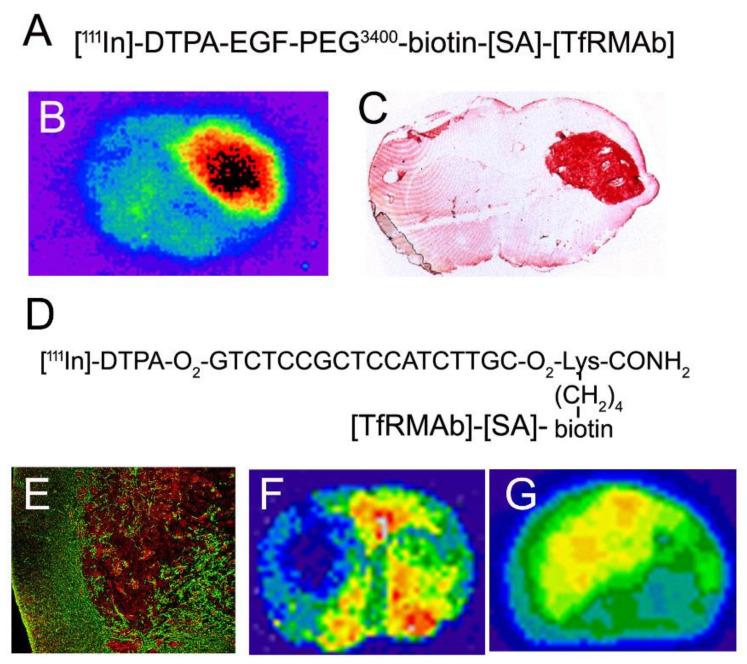
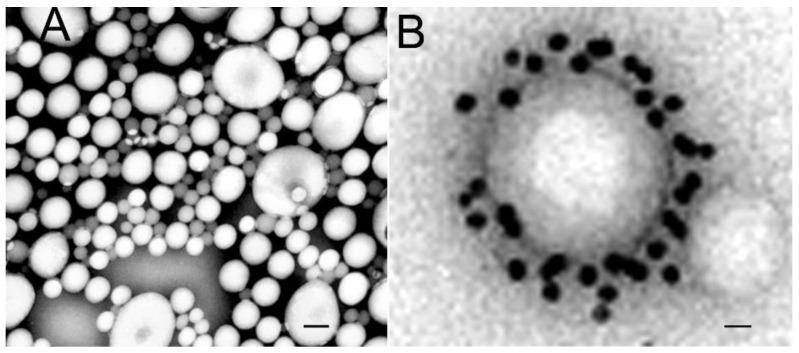
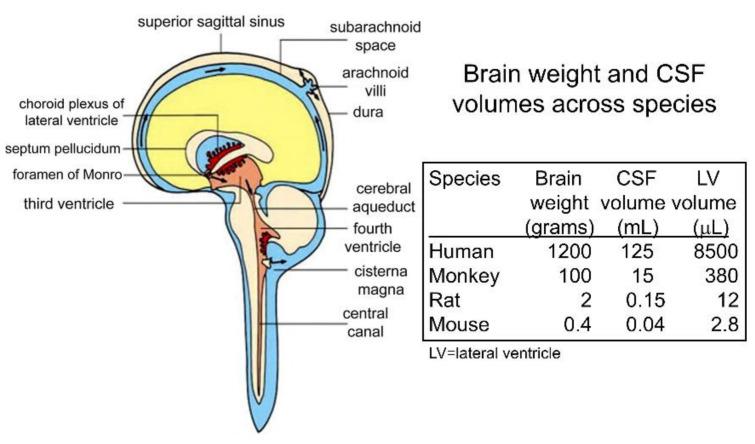
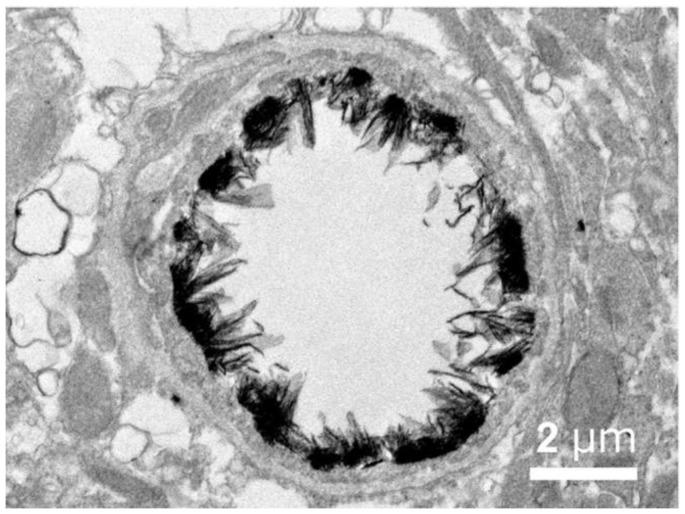
The history of brain drug delivery is reviewed beginning with the first demonstration, in 1914, that a drug for syphilis, salvarsan, did not enter the brain, due to the presence of a blood-brain barrier (BBB). Owing to restricted transport across the BBB, FDA-approved drugs for the CNS have been generally limited to lipid-soluble small molecules. Drugs that do not cross the BBB can be re-engineered for transport on endogenous BBB carrier-mediated transport and receptor-mediated transport systems, which were identified during the 1970s-1980s. By the 1990s, a multitude of brain drug delivery technologies emerged, including trans-cranial delivery, CSF delivery, BBB disruption, lipid carriers, prodrugs, stem cells, exosomes, nanoparticles, gene therapy, and biologics. The advantages and limitations of each of these brain drug delivery technologies are critically reviewed.
本文回顾了脑药物递送的历史,始于1914年首次证明治疗梅毒的药物洒尔佛散由于血脑屏障(BBB)的存在而无法进入大脑。由于穿过血脑屏障的运输受限,美国食品药品监督管理局(FDA)批准的用于中枢神经系统(CNS)的药物通常仅限于脂溶性小分子。无法穿过血脑屏障的药物可以重新设计,以便通过内源性血脑屏障载体介导的运输和受体介导的运输系统进行运输,这些运输系统是在20世纪70年代至80年代确定的。到20世纪90年代,出现了多种脑药物递送技术,包括经颅递送、脑脊液递送、血脑屏障破坏、脂质载体、前药、干细胞、外泌体、纳米颗粒、基因治疗和生物制品。本文对这些脑药物递送技术各自的优点和局限性进行了批判性综述。











 Zotero 插件