
体块分层充填复合树脂和传统纳米复合树脂的表面粗糙度和氧抑制层控制:有无抛光的体外研究。
Surface roughness and oxygen inhibited layer control in bulk-fill and conventional nanohybrid resin composites with and without polishing: in vitro study.
机构信息
School of Stomatology, Universidad Privada San Juan Bautista, Lima, Peru.
"Grupo de Investigación Salud y Bienestar Global", Postgraduate School, Universidad Nacional Federico Villarreal, Lima, Peru.
出版信息
BMC Oral Health. 2022 Jun 26;22(1):258. doi: 10.1186/s12903-022-02297-w.
BACKGROUND
It has been demonstrated that dental restorations with rough surfaces can have several disadvantages such as pigment retention or plaque accumulation, which can facilitate caries formation, color variation, loss of brightness, degradation of restoration, among others. The present study aimed to assess surface roughness in bulk fill and conventional nanohybrid resins with and without polishing, controlling the oxygen inhibited layer.
METHODS
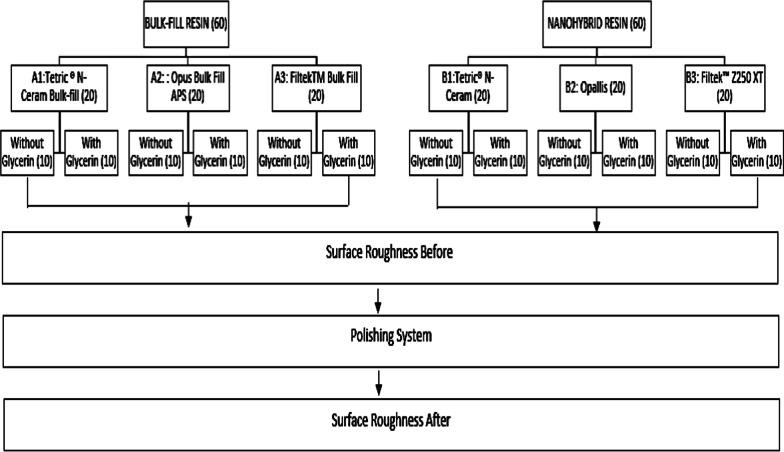
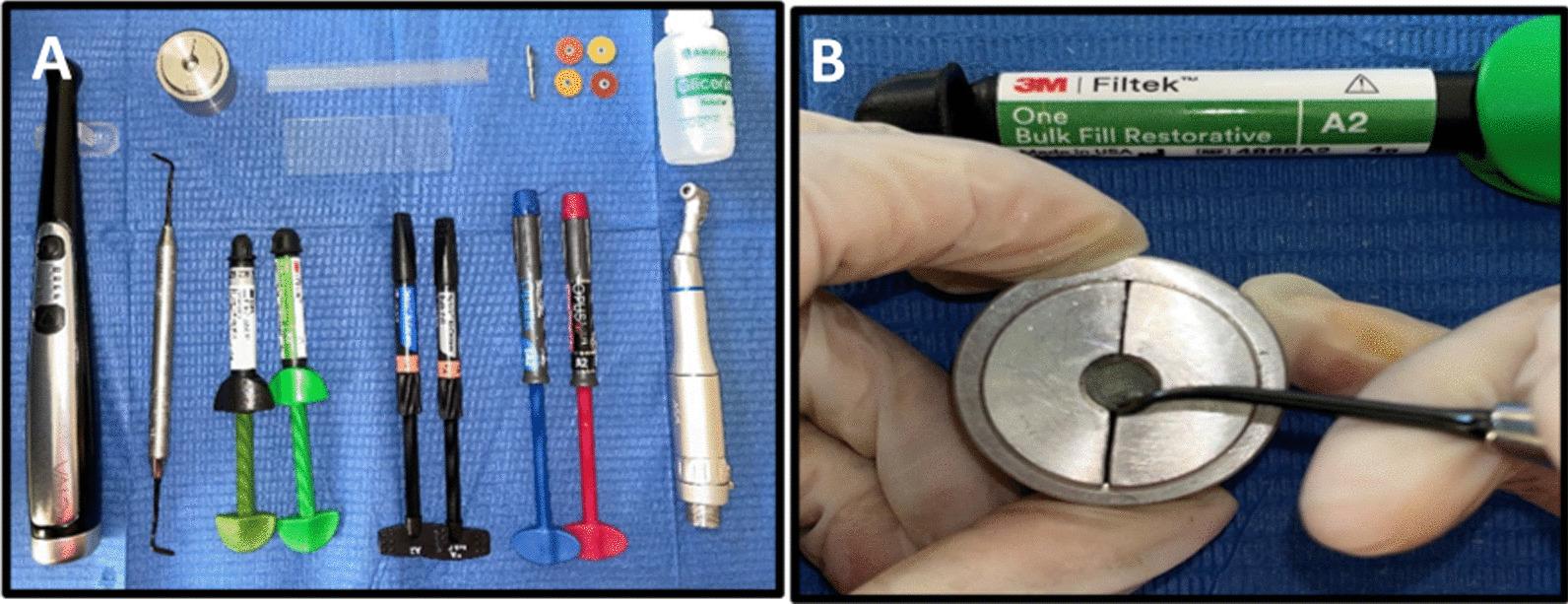
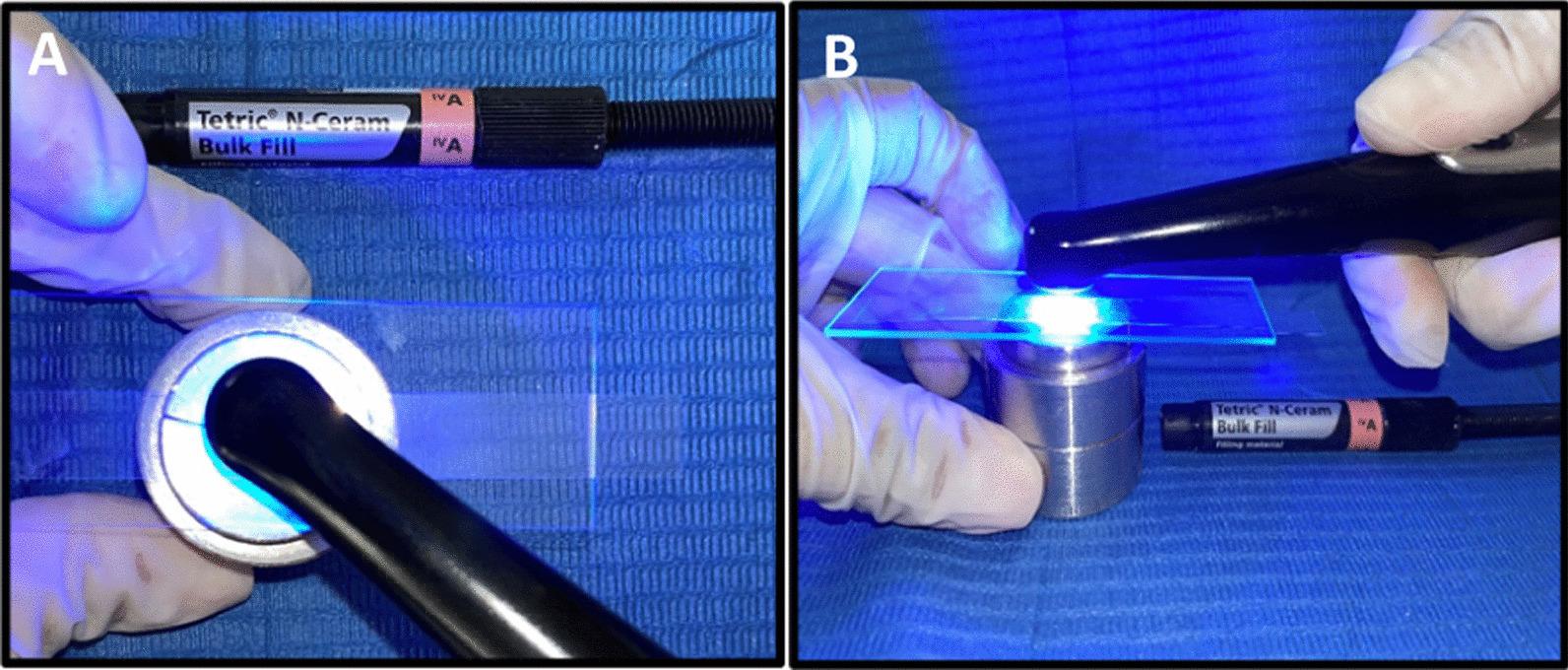
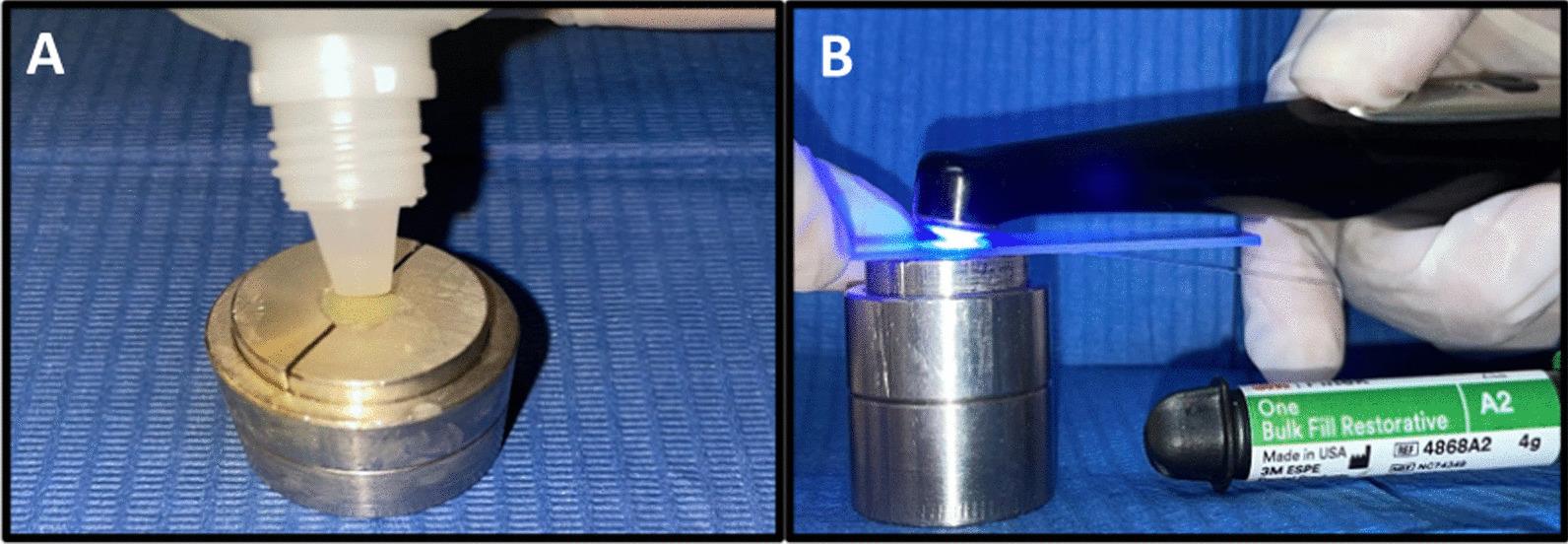
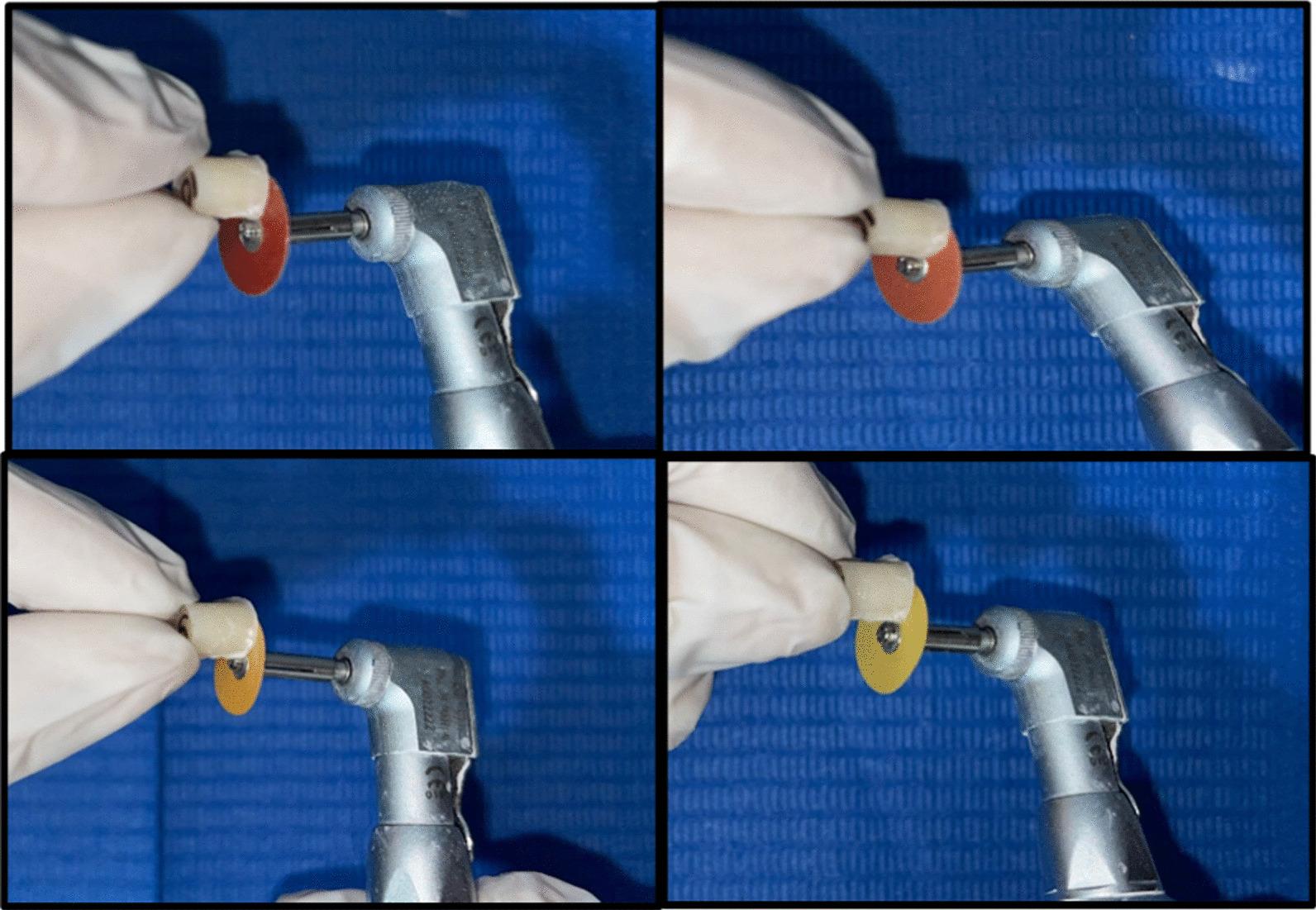
This in vitro and longitudinal experimental study consisted of 120 resin blocks of 6 mm diameter and 4 mm depth, divided into two groups: Bulk Fill (Tetric N-Ceram Bulk-fill, Opus Bulk Fill APS, Filtek™ Bulk Fill) and conventional nanohybrid (Tetric N-Ceram, Opallis EA2, Filtek™ Z250 XT). Each resin group was divided into two equal parts, placing glycerin only on one of them, in order to control the oxygen inhibited layer. Subsequently, the surface roughness was measured before and after the polishing procedure with Sof-Lex discs. The data were analyzed with the T-test for related measures, and for comparison between groups before and after polishing, the non-parametric Kruskal Wallis test with the Bonferroni post hoc was used, considering a significance level of p < 0.05.
RESULTS
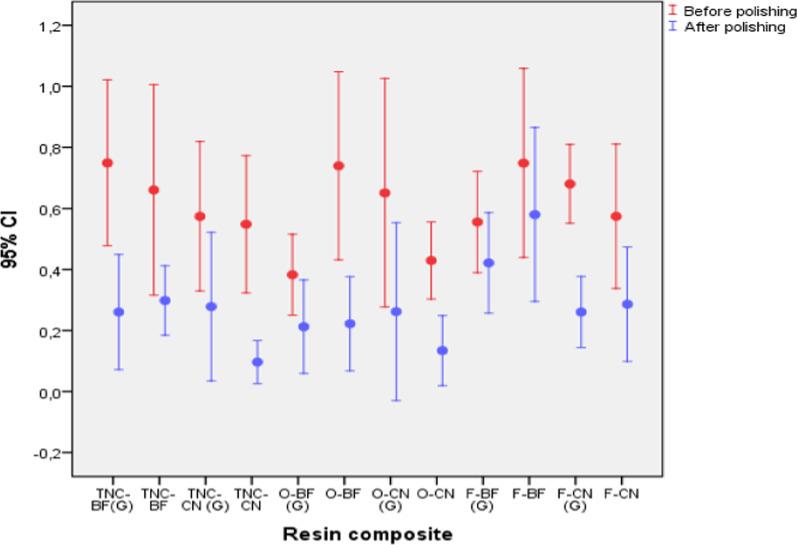
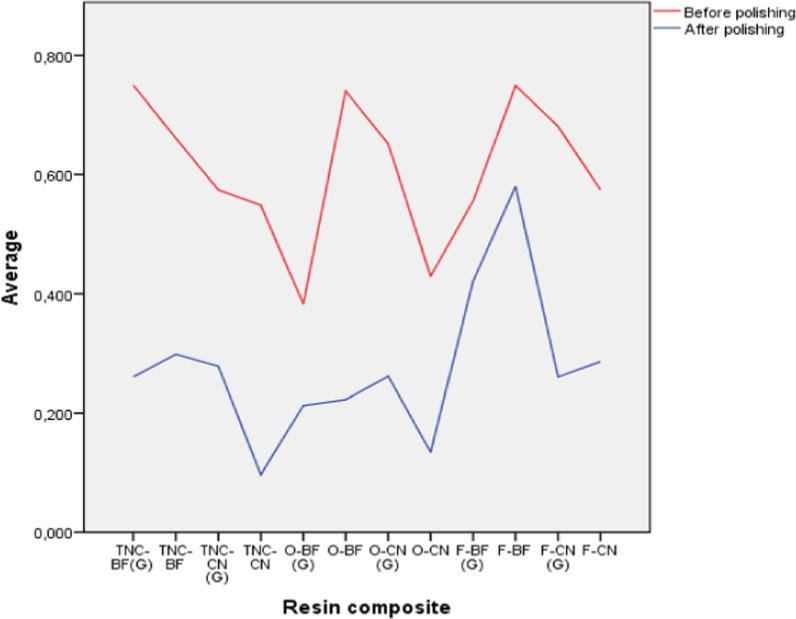
Before polishing, the resin composites with the lowest surface roughness were Opus Bulk Fill APS (0.383 ± 0.186 µm) and Opallis EA2 (0.430 ± 0. 177 µm) with and without oxygen inhibited layer control, respectively; while after polishing, those with the lowest surface roughness were Opus Bulk Fill APS (0.213 ± 0.214 µm) and Tetric N-Ceram (0.097 ± 0.099 µm), with and without oxygen inhibited layer control, respectively. Furthermore, before and after polishing, all resins significantly decreased their surface roughness (p < 0.05) except Opus Bulk Fill APS resin with oxygen inhibited layer control (p = 0.125). However, when comparing this decrease among all groups, no significant differences were observed (p < 0.05).
CONCLUSION
The Opus Bulk Fill APS resin with oxygen inhibited layer control presented lower surface roughness both before and after polishing, being these values similar at both times. However, after polishing the other bulk fill and conventional nanohybrid resins with and without oxygen inhibited layer control, the surface roughness decreased significantly in all groups, being this decrease similar in all of them.
背景
已证实,表面粗糙的牙体修复体可能存在多种缺陷,例如色素沉着或菌斑堆积,这可能导致龋齿形成、颜色变化、光泽丧失、修复体降解等。本研究旨在评估有和没有控制氧抑制层的大颗粒填料和传统纳米复合树脂的表面粗糙度。
方法
本体外和纵向实验研究包括 120 个直径为 6mm、深度为 4mm 的树脂块,分为两组:大颗粒填料(Tetric N-Ceram Bulk-fill、Opus Bulk Fill APS、Filtek™ Bulk Fill)和传统纳米复合树脂(Tetric N-Ceram、Opallis EA2、Filtek™ Z250 XT)。每组又分为两等份,其中一份仅放置甘油,以控制氧抑制层。随后,用 Sof-Lex 盘在抛光前后测量表面粗糙度。采用相关措施的 T 检验对数据进行分析,采用非参数 Kruskal Wallis 检验和 Bonferroni 事后检验比较抛光前后组间差异,p 值<0.05。
结果
抛光前,有和没有控制氧抑制层的 Opus Bulk Fill APS(0.383±0.186μm)和 Opallis EA2(0.430±0.177μm)的树脂复合材料表面粗糙度最低;抛光后,有和没有控制氧抑制层的 Opus Bulk Fill APS(0.213±0.214μm)和 Tetric N-Ceram(0.097±0.099μm)的树脂复合材料表面粗糙度最低。此外,抛光前后所有树脂的表面粗糙度均显著降低(p<0.05),除了有控制氧抑制层的 Opus Bulk Fill APS 树脂(p=0.125)。然而,当比较所有组之间的这种降低时,没有观察到显著差异(p<0.05)。
结论
有控制氧抑制层的 Opus Bulk Fill APS 树脂在抛光前后均具有较低的表面粗糙度,这两个时间点的粗糙度值相似。然而,抛光后,有和没有控制氧抑制层的其他大颗粒填料和传统纳米复合树脂的表面粗糙度均显著降低,所有组的降低程度相似。

 Zotero 插件