
基于机器学习的跨组织分析鉴定膝关节骨关节炎新型生物标志物
Cross-Tissue Analysis Using Machine Learning to Identify Novel Biomarkers for Knee Osteoarthritis.
机构信息
School of Clinical Medicine, Chengdu University of Traditional Chinese Medicine, 610075, China.
Provincial Key Laboratory of TCM Diagnostics, Hunan University of Chinese Medicine, 410208, China.
出版信息
Comput Math Methods Med. 2022 Jun 23;2022:9043300. doi: 10.1155/2022/9043300. eCollection 2022.
BACKGROUND
Knee osteoarthritis (KOA) is a common degenerative joint disease. In this study, we aimed to identify new biomarkers of KOA to improve the accuracy of diagnosis and treatment.
METHODS
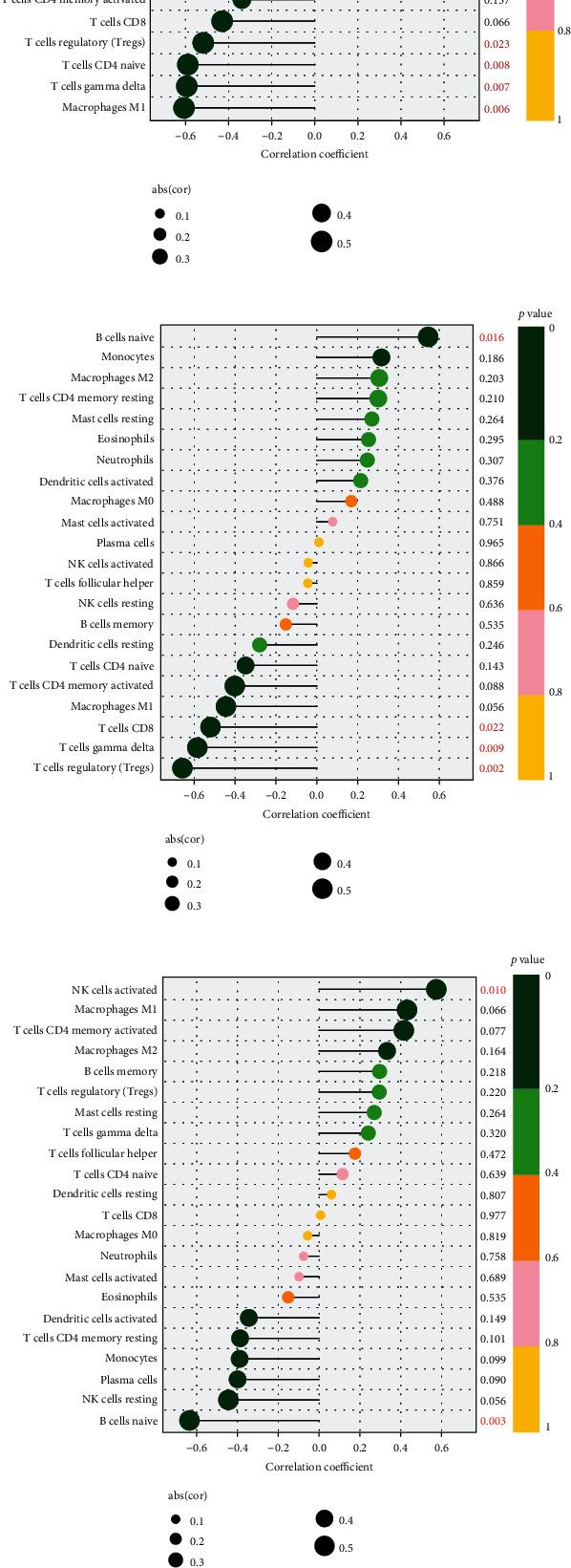
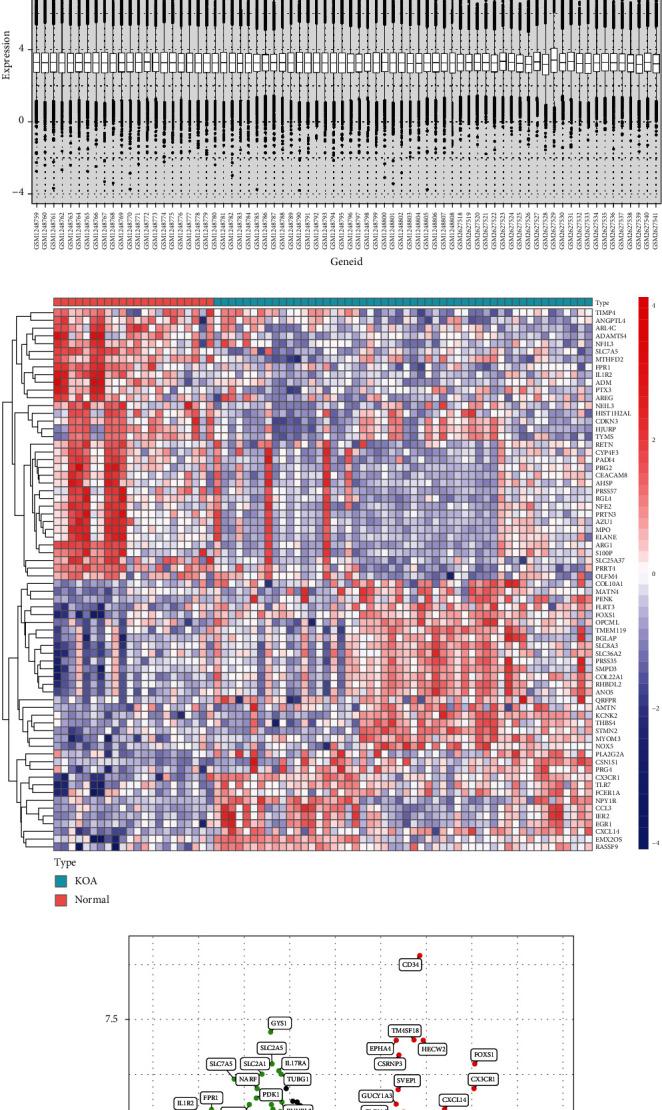
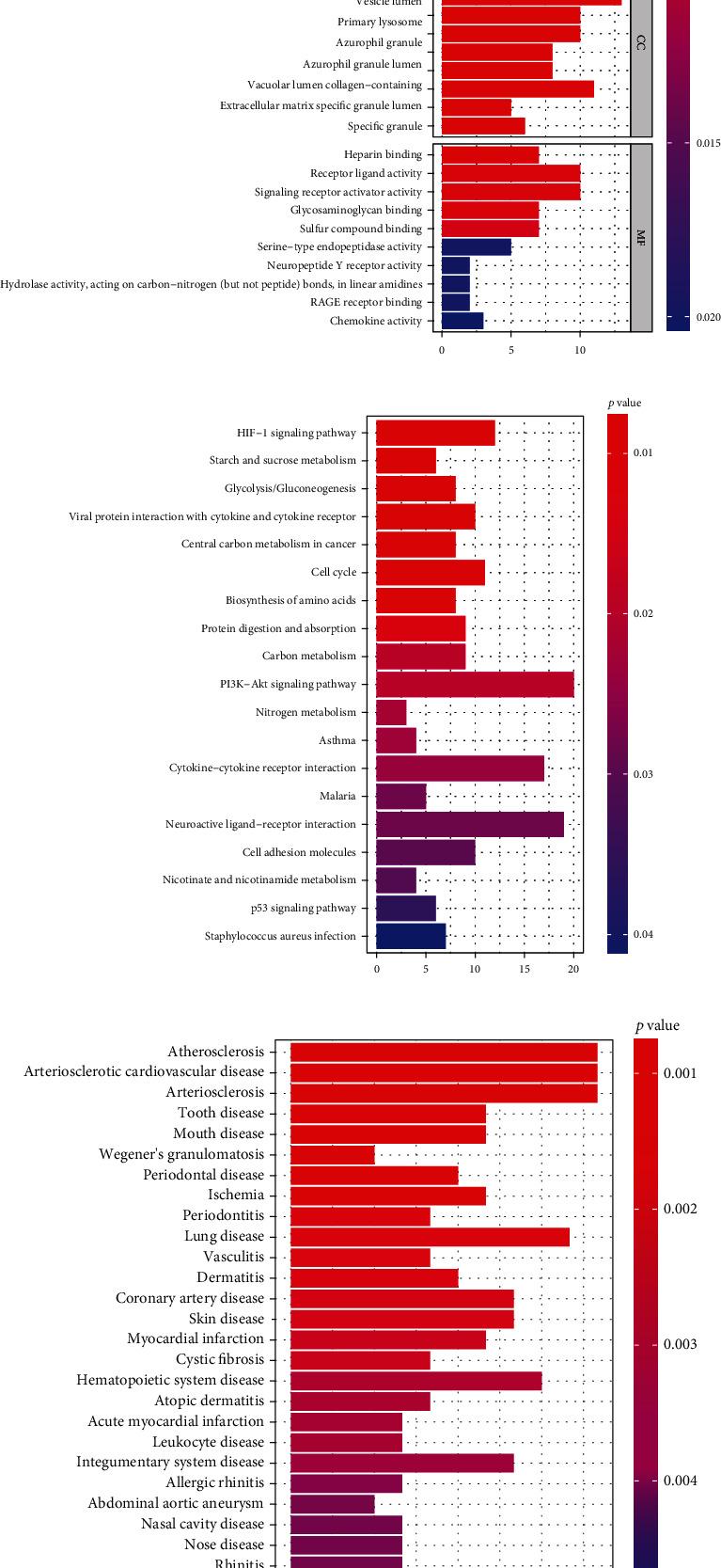
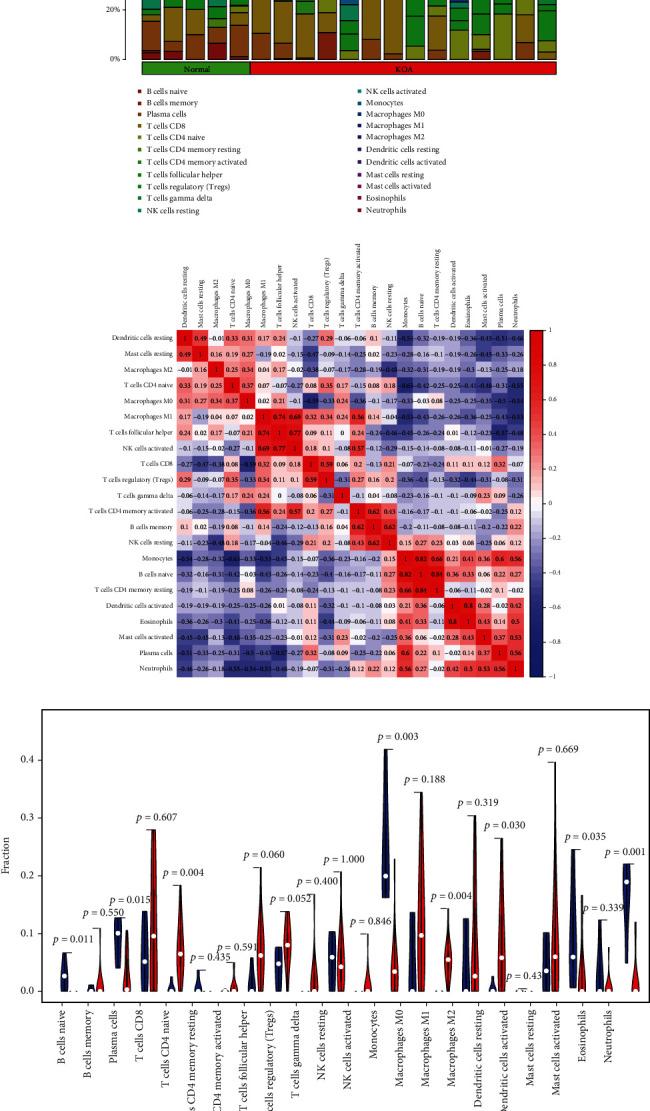
GSE98918 and GSE51588 were downloaded from the Gene Expression Omnibus database as training sets, with a total of 74 samples. Gene differences were analyzed by Gene Ontology, Kyoto Encyclopedia of Genes and Genomes pathway, and Disease Ontology enrichment analyses for the differentially expressed genes (DEGs), and GSEA enrichment analysis was carried out for the training gene set. Through least absolute shrinkage and selection operator regression analysis, the support vector machine recursive feature elimination algorithm, and gene expression screening, the range of DEGs was further reduced. Immune infiltration analysis was carried out, and the prediction results of the combined biomarker logistic regression model were verified with GSE55457.
RESULTS
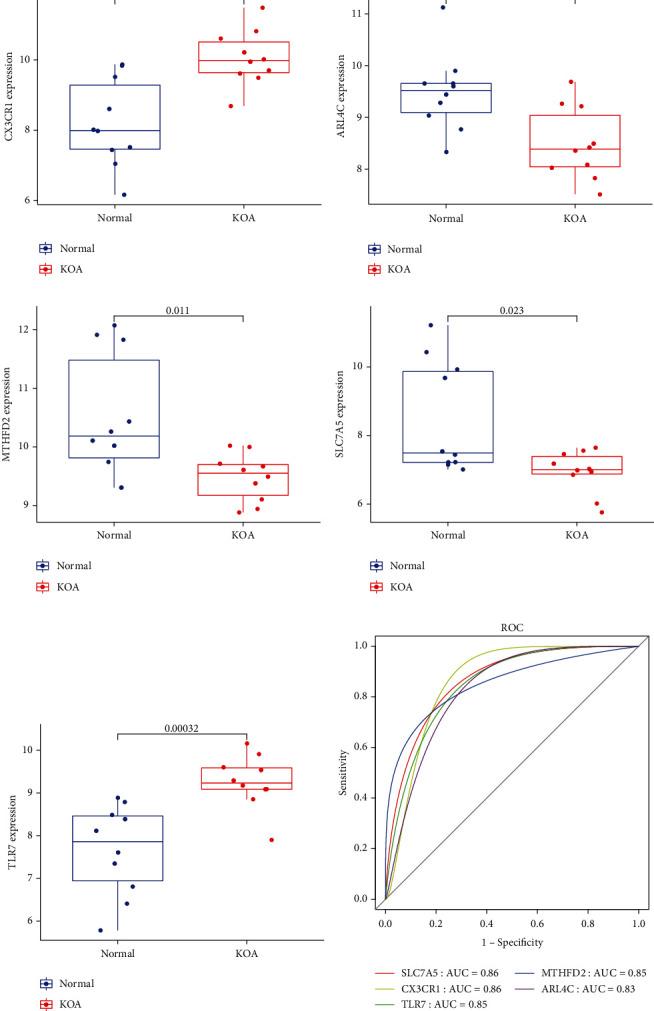
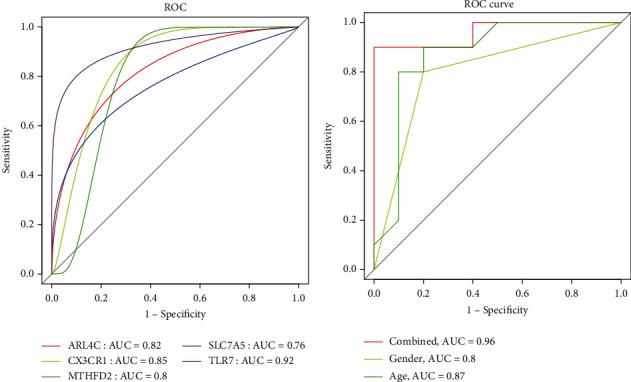
In total, 84 DEGs were identified through differential gene expression analysis. The five biomarkers that were screened further showed significant differences in cartilage, subchondral bone, and synovial tissue. The diagnostic accuracy of the model synthesized using five biomarkers through logistic regression was better than that of a single biomarker and significantly better than that of a single clinical trait.
CONCLUSIONS
CX3CR1, SLC7A5, ARL4C, TLR7, and MTHFD2 might be used as novel biomarkers to improve the accuracy of KOA disease diagnosis, monitor disease progression, and improve the efficacy of clinical treatment.
背景
膝骨关节炎(KOA)是一种常见的退行性关节疾病。本研究旨在寻找 KOA 的新生物标志物,以提高诊断和治疗的准确性。
方法
从基因表达综合数据库中下载 GSE98918 和 GSE51588 作为训练集,共 74 例样本。采用基因本体论、京都基因与基因组百科全书通路和疾病本体论富集分析对差异表达基因(DEGs)进行分析,对训练基因集进行 GSEA 富集分析。通过最小绝对收缩和选择算子回归分析、支持向量机递归特征消除算法和基因表达筛选,进一步缩小 DEGs 的范围。进行免疫浸润分析,并使用 GSE55457 验证联合生物标志物逻辑回归模型的预测结果。
结果
通过差异基因表达分析共鉴定出 84 个 DEGs。进一步筛选的 5 个生物标志物在软骨、软骨下骨和滑膜组织中均显示出显著差异。通过逻辑回归合成的 5 个生物标志物模型的诊断准确性优于单个生物标志物,明显优于单个临床特征。
结论
CX3CR1、SLC7A5、ARL4C、TLR7 和 MTHFD2 可能作为新的生物标志物,提高 KOA 疾病诊断的准确性,监测疾病进展,并提高临床治疗的效果。


 Zotero 插件