
合成肺液中氧化锌纳米颗粒的转化
Transformation of zinc oxide nanoparticles in synthetic lung fluids.
作者信息
Hatch Avery C, Peloquin Derek, Kumbar Amar S, Luxton Todd P, Clar Justin G
机构信息
Department of Chemistry, Elon University, Elon, NC 27244 USA.
Oak Ridge Institute for Science and Education (ORISE) Postdoctoral Research Associate, Oak Ridge, USA.
出版信息
J Nanopart Res. 2022;24(8):153. doi: 10.1007/s11051-022-05527-y. Epub 2022 Jul 16.
UNLABELLED
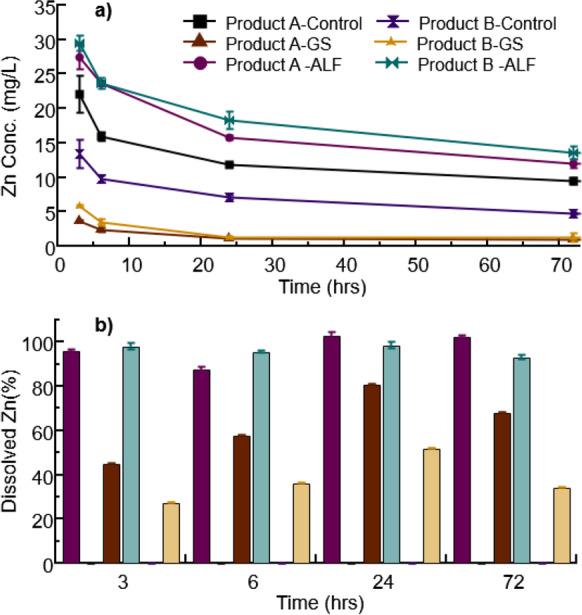
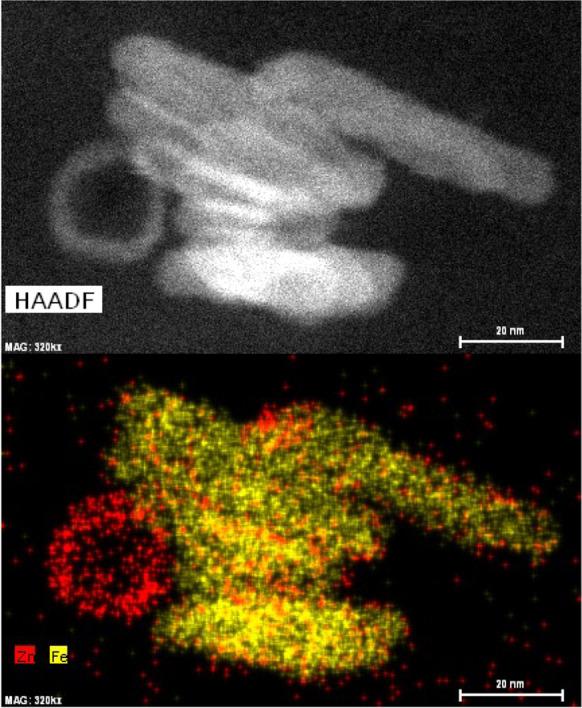
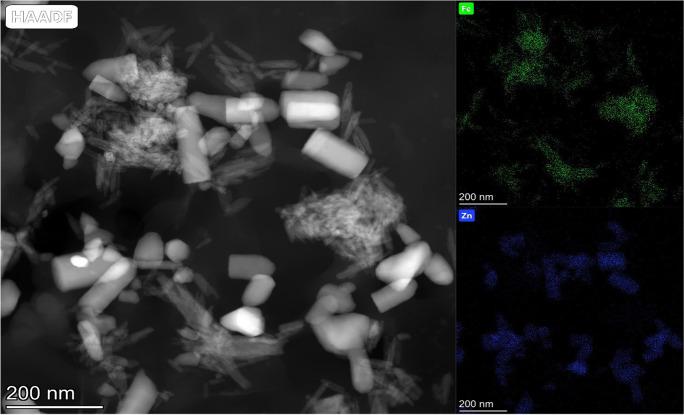
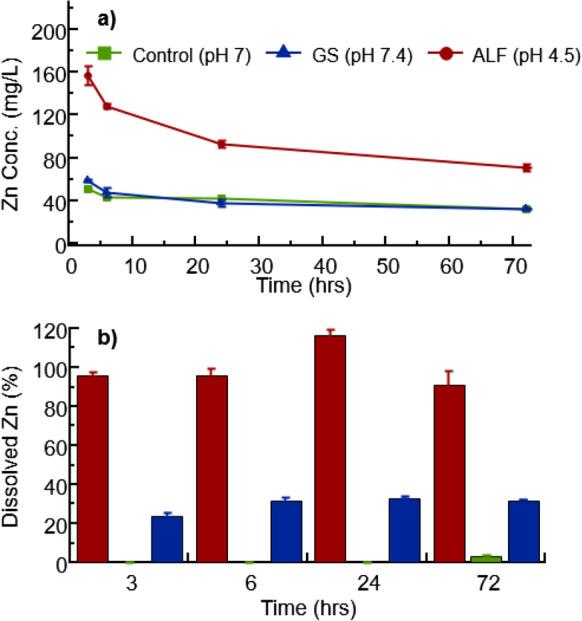
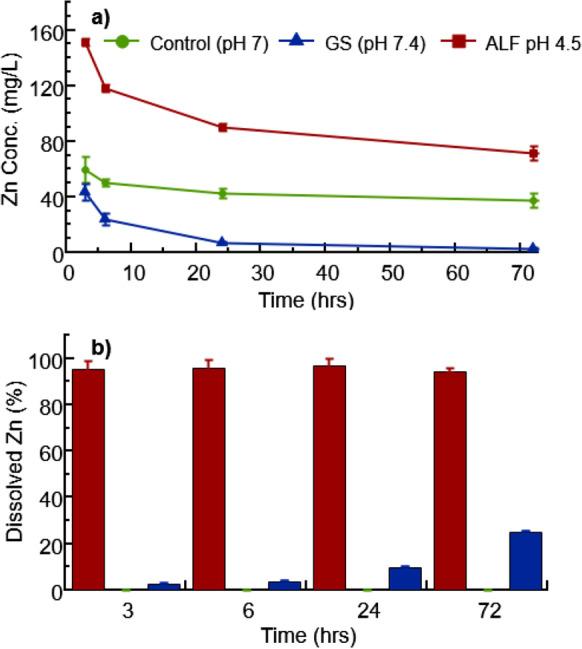
Surface coatings, including paints, stains, and sealants, have recently become a focus of "nano-enabled" consumer product engineering. Specifically, zinc oxide (ZnO) nanoparticles (NPs) have been introduced to surface coatings to increase UV resistance. As more "nano-enabled" products are made available for purchase, questions arise regarding their long-term environmental and human health effects. This study tracked the transformation of NP additives commonly added to consumer paints and stains using ZnO NPs as a model system. During product application and use, there is a risk of inhalation of aerosolized ZnO NPs. To investigate the potential chemical interactions and transformations that would occur after inhalation, ZnO NPs were incubated in two synthetic lung fluids (SLFs). Initial studies utilized ZnO NPs dispersed in Milli-Q water (control), or a commercially available deck stain. Additionally, two commercially available products advertising the inclusion of ZnO NP additives were evaluated. Subsamples were taken throughout incubation and analyzed via atomic absorption spectroscopy to determine both the total (including particulate) zinc concentration and dissolved (non-particulate) zinc concentration. Results indicate that the vast majority of ZnO transformation takes place within the first 24 h of incubation and is primarily driven by SLF pH and composition complexity. Significant dissolution of ZnO NPs was observed when incubated in Gamble's solution (between 25 and 68% depending on the matrix. Additionally, all ZnO solutions saw near immediate dissolution (~ 98-100%) within 3 h of incubation in artificial lysosomal fluid. Results illustrate potential for NPs in consumer products to undergo significant transformation during use and exposure over short time periods.
SUPPLEMENTARY INFORMATION
The online version contains supplementary material available at 10.1007/s11051-022-05527-y.
未标注
表面涂层,包括油漆、着色剂和密封剂,最近已成为“纳米功能化”消费品工程的重点。具体而言,氧化锌(ZnO)纳米颗粒(NPs)已被引入表面涂层以提高抗紫外线能力。随着越来越多的“纳米功能化”产品可供购买,关于其对环境和人类健康的长期影响的问题也随之出现。本研究以ZnO NPs作为模型系统,追踪了通常添加到消费用油漆和着色剂中的NP添加剂的转化情况。在产品应用和使用过程中,存在吸入雾化ZnO NPs的风险。为了研究吸入后可能发生的化学相互作用和转化,将ZnO NPs在两种合成肺液(SLFs)中孵育。初步研究使用分散在超纯水(对照)或市售甲板漆中的ZnO NPs。此外,还评估了两种宣传含有ZnO NP添加剂的市售产品。在整个孵育过程中采集子样本,并通过原子吸收光谱法进行分析,以确定总(包括颗粒态)锌浓度和溶解(非颗粒态)锌浓度。结果表明,绝大多数ZnO转化发生在孵育的前24小时内,主要受SLF的pH值和成分复杂性驱动。当在甘布尔溶液中孵育时,观察到ZnO NPs有显著溶解(取决于基质,溶解率在25%至68%之间)。此外,在人工溶酶体液中孵育3小时内,所有ZnO溶液几乎立即溶解(约98 - 100%)。结果表明消费品中的NPs在使用和短时间暴露期间有可能发生显著转化。
补充信息
在线版本包含可在10.1007/s11051-022-05527-y获取的补充材料。

 Zotero 插件