
多组学技术使全面分析脓毒症相关急性肾损伤成为可能。
Multi-Omics Techniques Make it Possible to Analyze Sepsis-Associated Acute Kidney Injury Comprehensively.
机构信息
Department of Laboratory Medicine, Peking University Third Hospital, Beijing, China.
Core Unit of National Clinical Research Center for Laboratory Medicine, Peking University Third Hospital, Beijing, China.
出版信息
Front Immunol. 2022 Jul 7;13:905601. doi: 10.3389/fimmu.2022.905601. eCollection 2022.
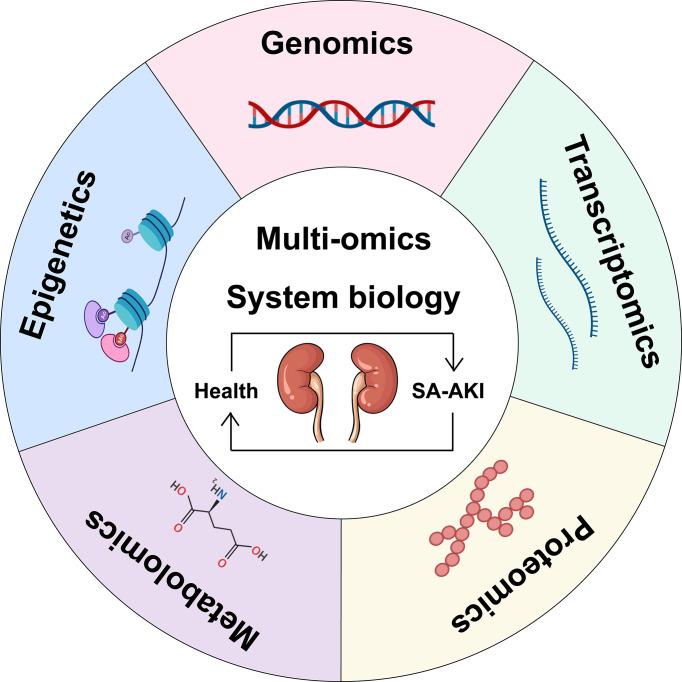
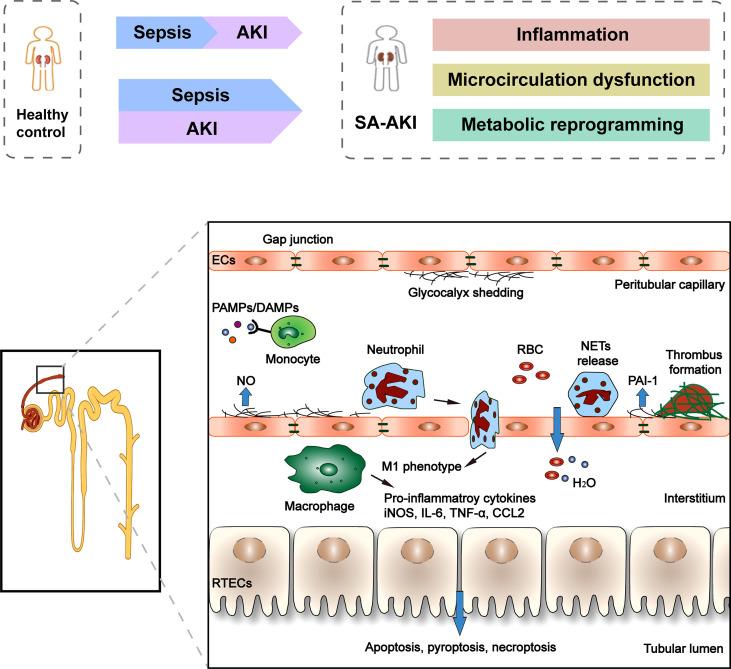
Sepsis-associated acute kidney injury (SA-AKI) is a common complication in critically ill patients with high morbidity and mortality. SA-AKI varies considerably in disease presentation, progression, and response to treatment, highlighting the heterogeneity of the underlying biological mechanisms. In this review, we briefly describe the pathophysiology of SA-AKI, biomarkers, reference databases, and available omics techniques. Advances in omics technology allow for comprehensive analysis of SA-AKI, and the integration of multiple omics provides an opportunity to understand the information flow behind the disease. These approaches will drive a shift in current paradigms for the prevention, diagnosis, and staging and provide the renal community with significant advances in precision medicine in SA-AKI analysis.
脓毒症相关性急性肾损伤(SA-AKI)是危重病患者的常见并发症,具有较高的发病率和死亡率。SA-AKI 在疾病表现、进展和治疗反应方面存在很大差异,突出了潜在生物学机制的异质性。在这篇综述中,我们简要描述了 SA-AKI 的病理生理学、生物标志物、参考数据库和现有的组学技术。组学技术的进步使得对 SA-AKI 的全面分析成为可能,而多种组学的整合为理解疾病背后的信息流提供了机会。这些方法将推动当前预防、诊断和分期的范式转变,并为肾脏领域在 SA-AKI 分析中的精准医学提供重大进展。
 Zotero 插件