
在牙囊细胞成骨分化过程中,能量代谢和脂质组受到高度调控。
Energy Metabolism and Lipidome Are Highly Regulated during Osteogenic Differentiation of Dental Follicle Cells.
作者信息
Pieles Oliver, Höring Marcus, Adel Sadiyeh, Reichert Torsten E, Liebisch Gerhard, Morsczeck Christian
机构信息
Department of Oral and Maxillofacial Surgery, University Hospital Regensburg, Franz-Josef-Strauss-Allee 11, 93053 Regensburg, Germany.
Institute of Clinical Chemistry and Laboratory Medicine, University Hospital Regensburg, Franz-Josef-Strauss-Allee 11, 93053 Regensburg, Germany.
出版信息
Stem Cells Int. 2022 Jul 16;2022:3674931. doi: 10.1155/2022/3674931. eCollection 2022.
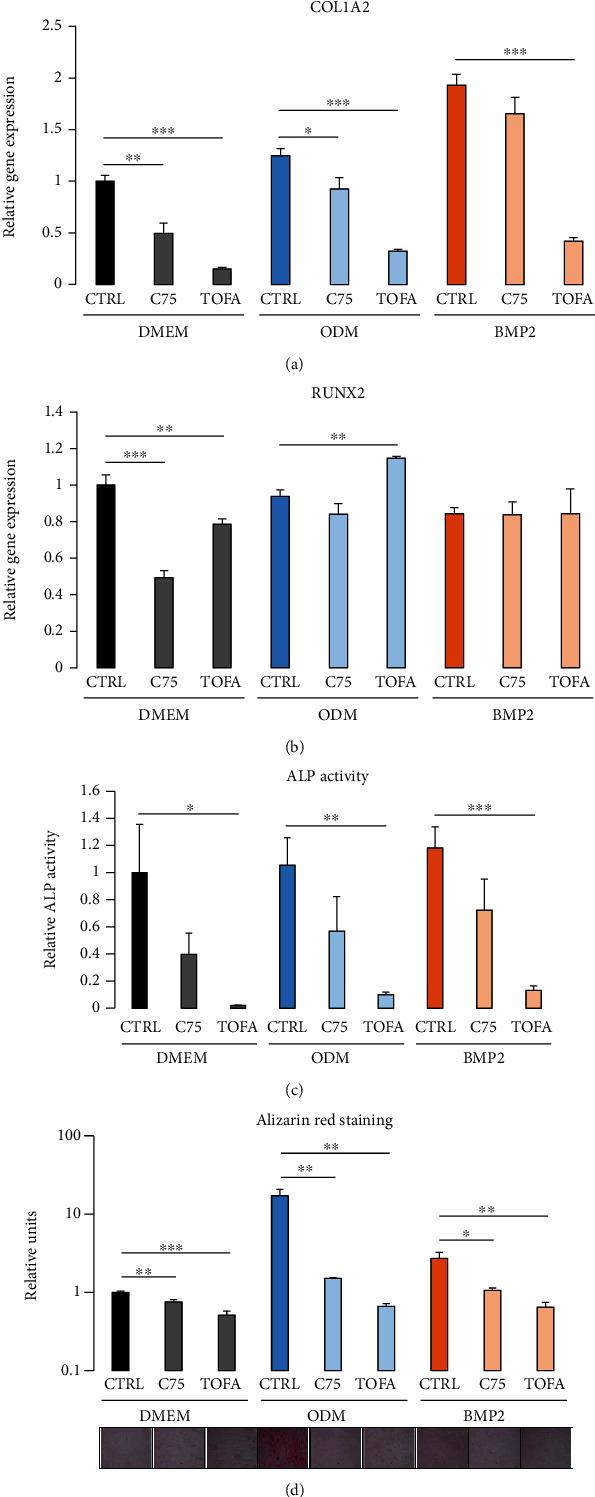
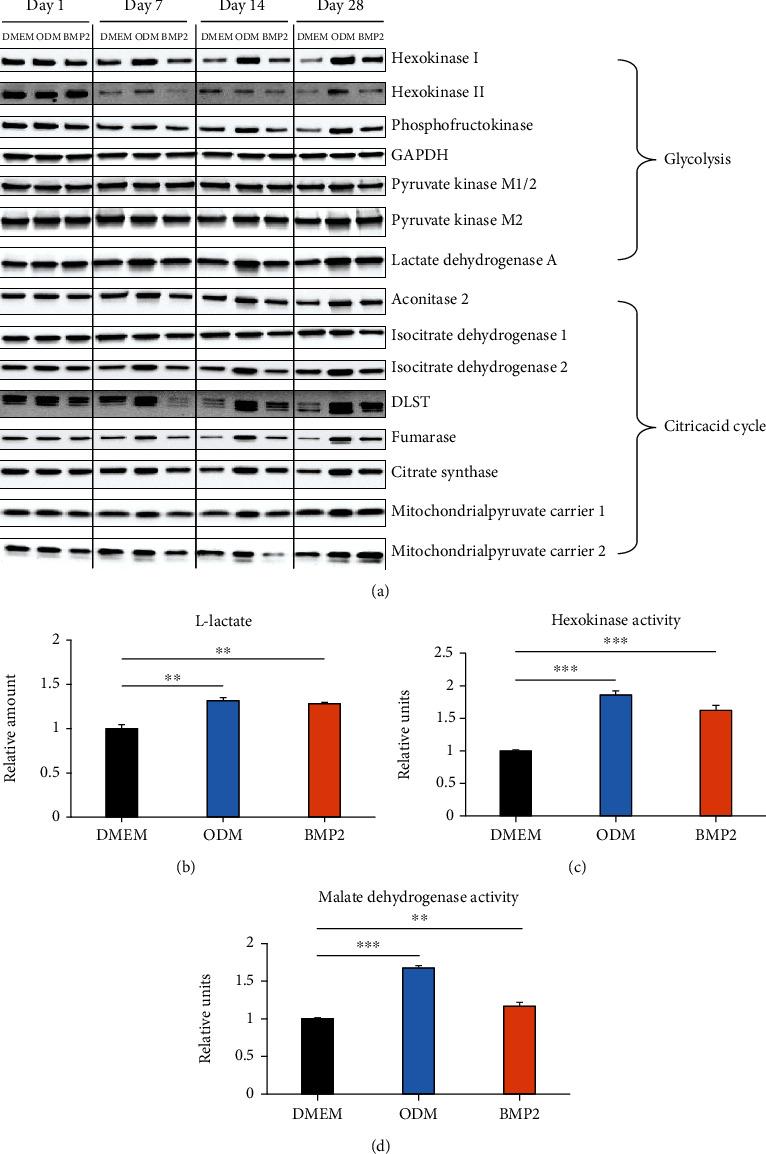
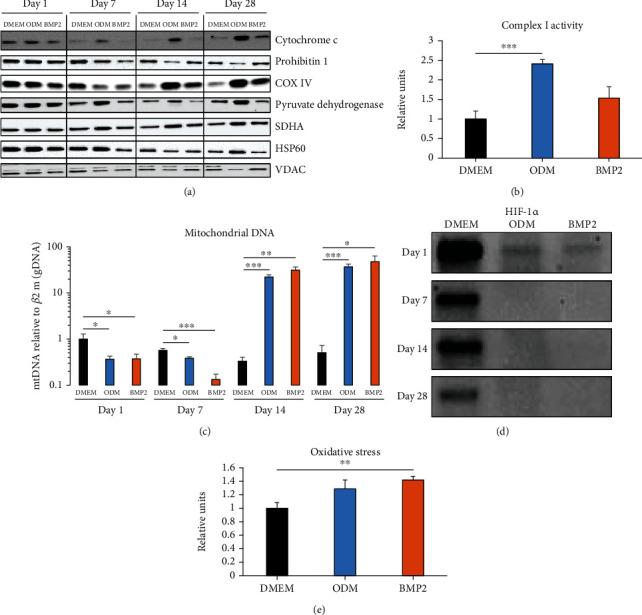
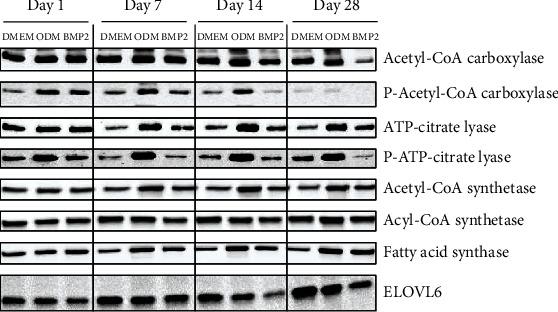
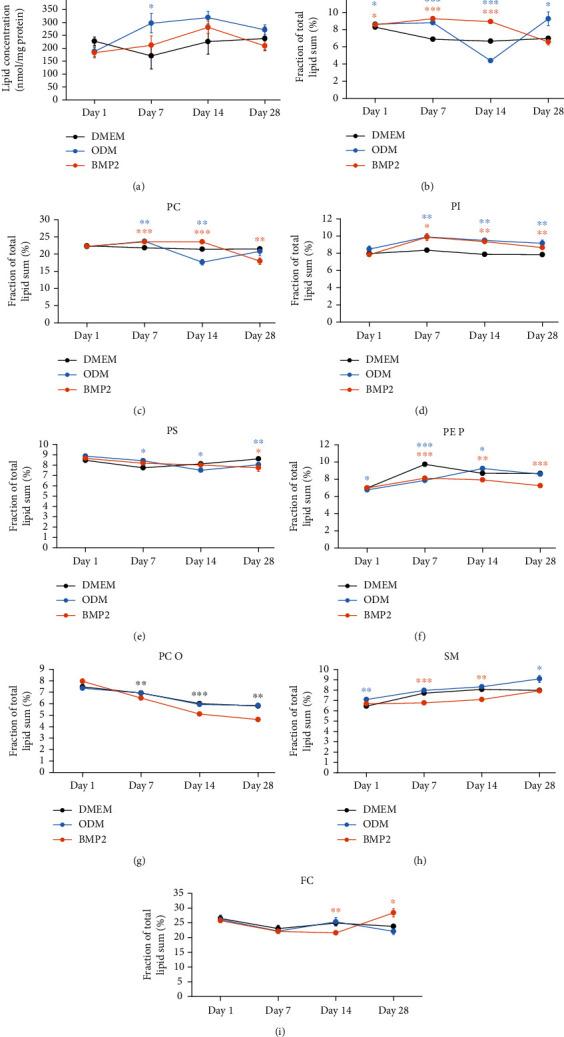
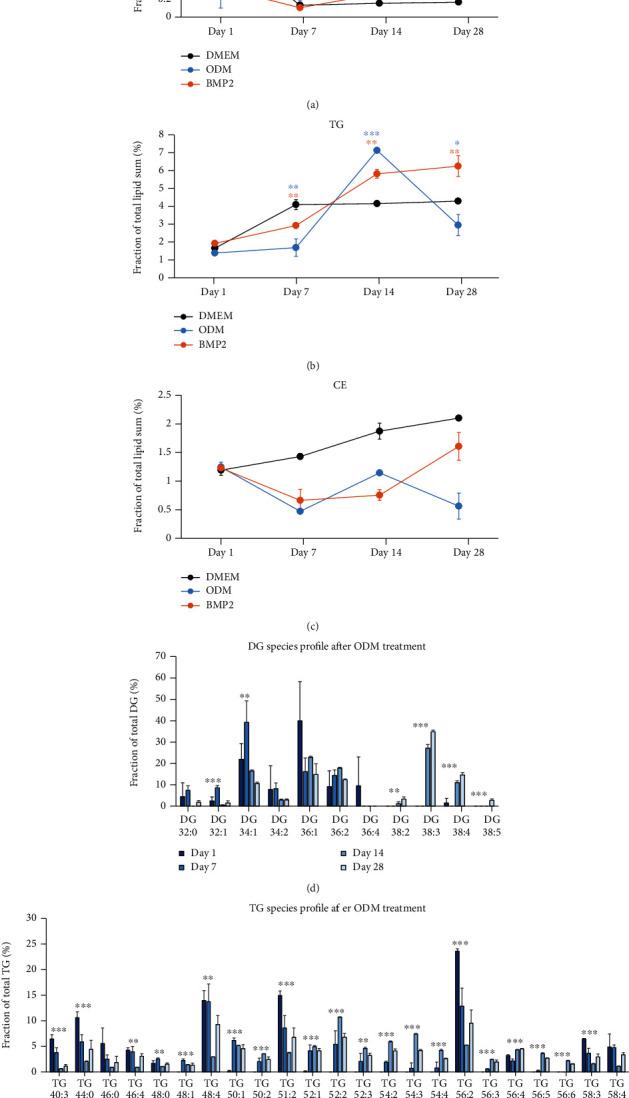
Dental follicle cells (DFCs) are stem/progenitor cells of the periodontium and give rise to alveolar osteoblasts. However, understanding of the molecular mechanisms of osteogenic differentiation, which is required for cell-based therapies, is delimited. This study is aimed at analyzing the energy metabolism during the osteogenic differentiation of DFCs. Human DFCs were cultured, and osteogenic differentiation was induced by either dexamethasone or bone morphogenetic protein 2 (BMP2). Previous microarray data were reanalyzed to examine pathways that are regulated after osteogenic induction. Expression and activity of metabolic markers were evaluated by western blot analysis and specific assays, relative amount of mitochondrial DNA was measured by real-time quantitative polymerase chain reaction, the oxidative state of cells was determined by a glutathione assay, and the lipidome of cells was analyzed via mass spectrometry (MS). Moreover, osteogenic markers were analyzed after the inhibition of fatty acid synthesis by 5-(tetradecyloxy)-2-furoic acid or C75. Pathway enrichment analysis of microarray data revealed that carbon metabolism was amongst the top regulated pathways after osteogenic induction in DFCs. Further analysis showed that enzymes involved in glycolysis, citric acid cycle, mitochondrial activity, and lipid metabolism are differentially expressed during differentiation, with most markers upregulated and more markedly after induction with dexamethasone compared to BMP2. Moreover, the cellular state was more oxidized, and mitochondrial DNA was distinctly upregulated during the second half of differentiation. Besides, MS of the lipidome revealed higher lipid concentrations after osteogenic induction, with a preference for species with lower numbers of C-atoms and double bonds, which indicates a de novo synthesis of lipids. Concordantly, inhibition of fatty acid synthesis impeded the osteogenic differentiation of DFCs. This study demonstrates that energy metabolism is highly regulated during osteogenic differentiation of DFCs including changes in the lipidome suggesting enhanced de novo synthesis of lipids, which are required for the differentiation process.
牙囊细胞(DFCs)是牙周组织的干/祖细胞,可分化为牙槽成骨细胞。然而,对于基于细胞治疗所必需的成骨分化分子机制的理解仍有限。本研究旨在分析DFCs成骨分化过程中的能量代谢。培养人DFCs,用地塞米松或骨形态发生蛋白2(BMP2)诱导其成骨分化。重新分析先前的微阵列数据,以检查成骨诱导后被调控的信号通路。通过蛋白质印迹分析和特异性检测评估代谢标志物的表达和活性,通过实时定量聚合酶链反应测量线粒体DNA的相对含量,通过谷胱甘肽检测确定细胞的氧化状态,并通过质谱(MS)分析细胞的脂质组。此外,在用5-(十四烷氧基)-2-呋喃甲酸或C75抑制脂肪酸合成后,分析成骨标志物。微阵列数据的信号通路富集分析显示,碳代谢是DFCs成骨诱导后调控最显著的信号通路之一。进一步分析表明,参与糖酵解、柠檬酸循环、线粒体活性和脂质代谢的酶在分化过程中差异表达,与BMP2相比,大多数标志物在用地塞米松诱导后上调且更明显。此外,在分化后期细胞状态更氧化,线粒体DNA明显上调。此外,脂质组的MS分析显示成骨诱导后脂质浓度更高,偏好碳原子数和双键数较少的种类,这表明脂质的从头合成。一致地,脂肪酸合成的抑制阻碍了DFCs的成骨分化。本研究表明,DFCs成骨分化过程中能量代谢受到高度调控,包括脂质组的变化,提示脂质从头合成增强,这是分化过程所必需的。

 Zotero 插件