
用低聚果糖和葫芦巴对微囊化ABRIINW.N7进行给药对受……攻击的罗非鱼死亡率的影响 。 你提供的原文似乎不太完整,“challenged with”后面缺少具体内容。
Administration of microencapsulated ABRIINW.N7 with fructo-oligosaccharides and fenugreek on the mortality of tilapia challenged with .
作者信息
Nami Yousef, Kahieshesfandiari Mahdi, Lornezhad Gilda, Kiani Amir, Elieh-Ali-Komi Daniel, Jafari Mahdieh, Jaymand Mehdi, Haghshenas Babak
机构信息
Department of Food Biotechnology, Branch for Northwest and West Region, Agricultural Biotechnology Research Institute of Iran, Agricultural Research, Education and Extension Organization (AREEO), Tabriz, Iran.
Department of Aquaculture, Faculty of Agriculture, University Putra Malaysia, Selangor, Malaysia.
出版信息
Front Vet Sci. 2022 Aug 1;9:938380. doi: 10.3389/fvets.2022.938380. eCollection 2022.
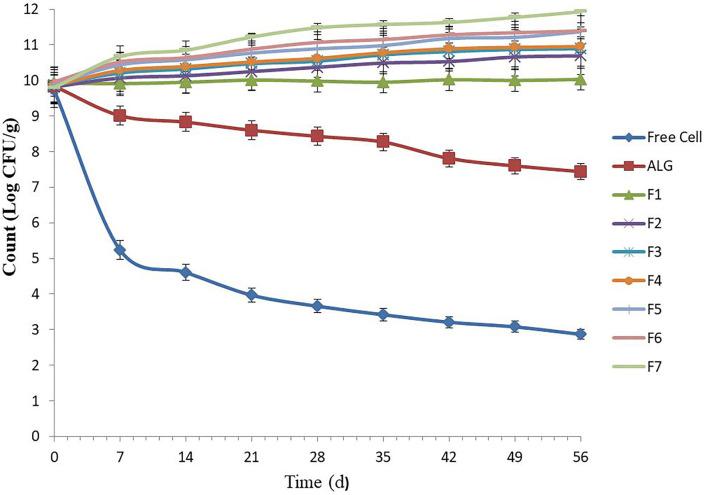
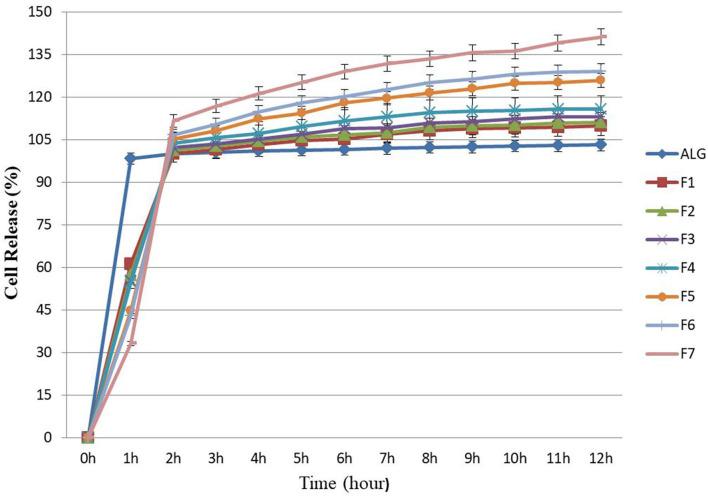
We investigated the probiotic potential of a microencapsulated ABRIINW.N7 for control of infection in hybrid ( × ) red tilapia. A two-phase experiment approach was completed in which bacteria were propagated, from which a culture was isolated, identified using molecular techniques, and microencapsulated to produce a stable commercial fructooligosaccharide (FOS) and fenugreek (Fk) product of optimal concentration. The FOS and Fk products were assessed in a 90-days challenge study, in which red hybrid tilapia were allocated to one of five treatments: (1) No (Sa) challenge (CON); (2) Sa challenge only (CON); (3) Sa challenge in a free cell (Free Cell); (4) Sa challenge with 0.8% (w/v) Alginate; (5) Microencapsulated FOS and Fk. results showed high encapsulation efficiency (≥98.6 ± 0.7%) and acceptable viability of probiotic bacteria within the simulated fish digestive system and high stability of viable cells in all gel formulations (34 < SR% <63). challenges demonstrated that the FOS and Fk products could be used to control infection in tilapia fish and represented a novel investigation using microencapsulation as a probiotic diet for tilapia fish to control infection and to lower fish mortality. It is recommended that local herbal gums such as 0.2% Persian gum and 0.4% Fk in combination with 0.8% alginate (Formulation 7) can be used as a suitable scaffold and an ideal matrix for the encapsulation of probiotics. These herbal gums as prebiotics are capable of promoting the growth of probiotic cells in the food environment and digestive tract.
我们研究了微囊化ABRIINW.N7对杂交(×)红罗非鱼感染控制的益生菌潜力。完成了一个两阶段实验方法,其中细菌进行繁殖,从中分离出一种培养物,使用分子技术进行鉴定,并进行微囊化以生产最佳浓度的稳定商业低聚果糖(FOS)和胡芦巴(Fk)产品。在一项为期90天的攻毒研究中评估了FOS和Fk产品,其中红罗非鱼被分配到五种处理之一:(1)无(Sa)攻毒(CON);(2)仅Sa攻毒(CON);(3)游离细胞中的Sa攻毒(游离细胞);(4)0.8%(w/v)海藻酸钠的Sa攻毒;(5)微囊化FOS和Fk。结果显示包封效率高(≥98.6±0.7%),益生菌在模拟鱼消化系统内的活力可接受,并且在所有凝胶制剂中活细胞的稳定性高(34<SR%<63)。攻毒试验表明,FOS和Fk产品可用于控制罗非鱼的感染,代表了一项使用微囊化作为罗非鱼益生菌饲料来控制感染和降低鱼死亡率的新研究。建议将0.2%波斯胶和0.4%Fk等当地草药胶与0.8%海藻酸钠(配方7)结合使用,可作为包封益生菌的合适支架和理想基质。这些草药胶作为益生元能够促进食品环境和消化道中益生菌细胞的生长。

 Zotero 插件