
人参二醇型皂苷纳米颗粒的制备及其药理作用:综述
Preparation and pharmacological effects of minor ginsenoside nanoparticles: a review.
作者信息
Ke Yue, Huang Lei, Song Yu, Liu Zhenxin, Liang Linshuang, Wang Linmao, Wang Taoyun
机构信息
School of Chemistry and Life Sciences, Suzhou University of Science and Technology, Suzhou, China.
Department of Thoracic Surgery, The First People's Hospital of Yancheng, Affiliated Hospital 4 of Nantong University, Yancheng, China.
出版信息
Front Pharmacol. 2022 Aug 8;13:974274. doi: 10.3389/fphar.2022.974274. eCollection 2022.
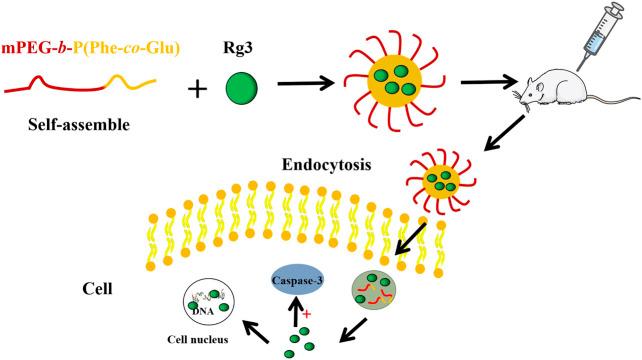
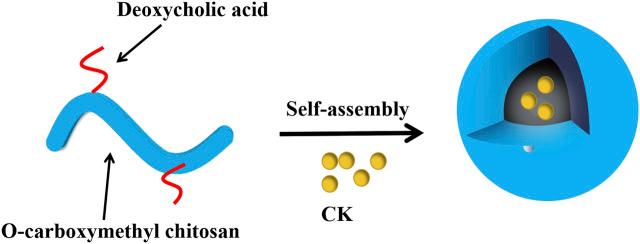
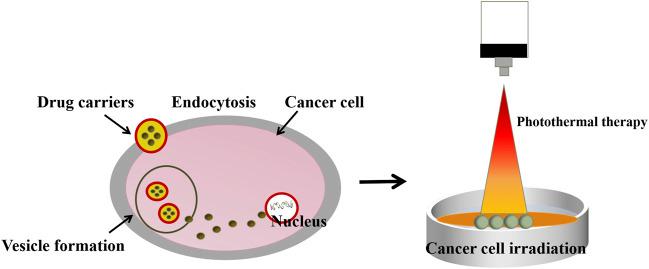
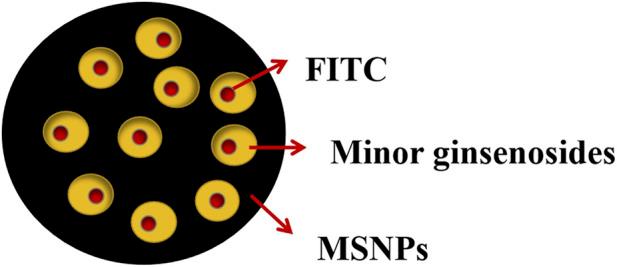
Ginseng () is a perennial herbaceous plant belonging to genus of Araliaceae. Ginsenosides are a kind of important compounds in ginseng and minor ginsenosides are secondary metabolic derivatives of ginsenosides. Studies have shown that minor ginsenosides have many pharmacological effects, such as antioxidant, anti-tumor, anti-platelet aggregation, and neuroprotective effects. However, the therapeutic effects of minor ginsenosides are limited due to poor solubility in water, short half-life, and poor targeting accuracy. In recent years, to improve the application efficiency, the research on the nanocrystallization of minor ginsenosides have attracted extensive attention from researchers. This review focuses on the classification, preparation methods, pharmacological effects, and action mechanisms of minor ginsenoside nanoparticles, as well as existing problems and future direction of relevant research, which provides a reference for the in-depth research of minor ginsenoside nanoparticles.
人参是一种多年生草本植物,属于五加科人参属。人参皂苷是人参中的一类重要化合物,而稀有人参皂苷是人参皂苷的次生代谢衍生物。研究表明,稀有人参皂苷具有多种药理作用,如抗氧化、抗肿瘤、抗血小板聚集和神经保护作用。然而,由于其在水中溶解度差、半衰期短和靶向性差,稀有人参皂苷的治疗效果受到限制。近年来,为了提高应用效率,稀有人参皂苷纳米晶的研究引起了研究者的广泛关注。本文综述了稀有人参皂苷纳米粒的分类、制备方法、药理作用、作用机制以及相关研究存在的问题和未来方向,为稀有人参皂苷纳米粒的深入研究提供参考。

 Zotero 插件