
一种用于评估失血性休克复苏控制器的自动化硬件在环测试平台。
An Automated Hardware-in-Loop Testbed for Evaluating Hemorrhagic Shock Resuscitation Controllers.
作者信息
Snider Eric J, Berard David, Vega Saul J, Hernandez Torres Sofia I, Avital Guy, Boice Emily N
机构信息
U.S. Army Institute of Surgical Research, JBSA Fort Sam Houston, San Antonio, TX 78234, USA.
Trauma and Combat Medicine Branch, Surgeon General's Headquarters, Israel Defense Forces, Ramat-Gan 52620, Israel.
出版信息
Bioengineering (Basel). 2022 Aug 7;9(8):373. doi: 10.3390/bioengineering9080373.
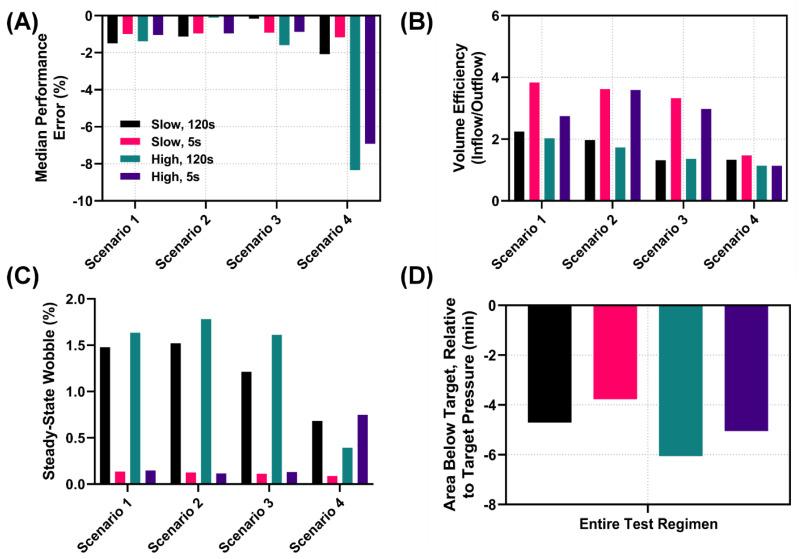
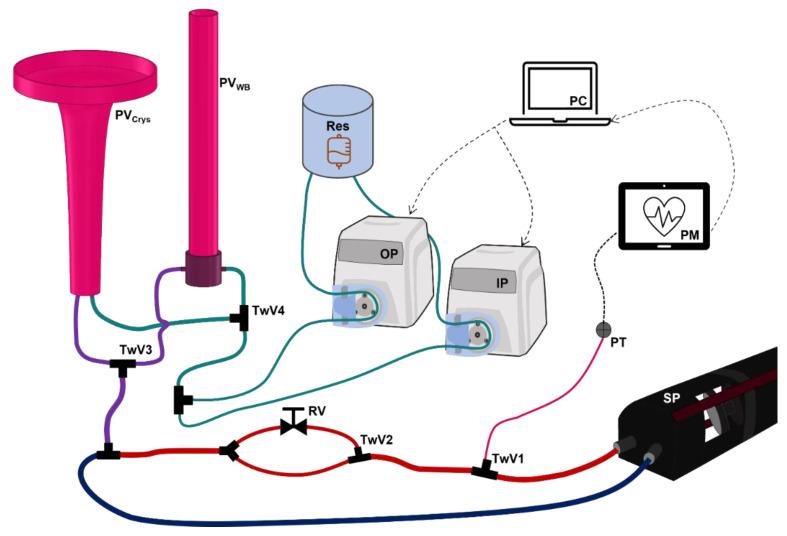
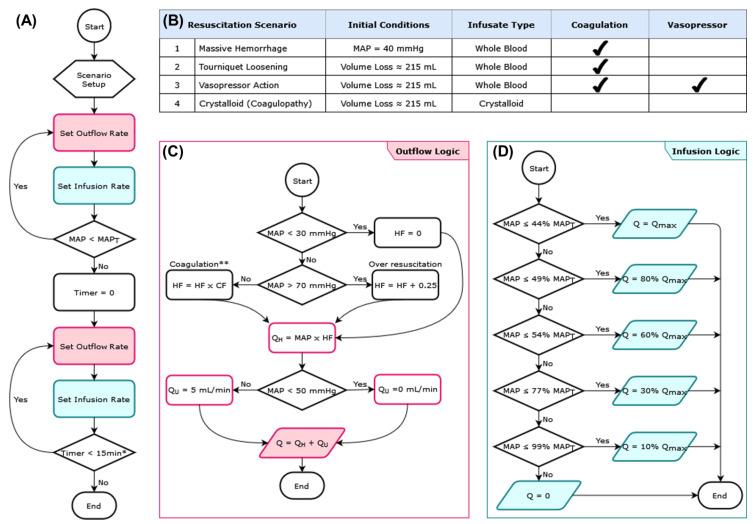
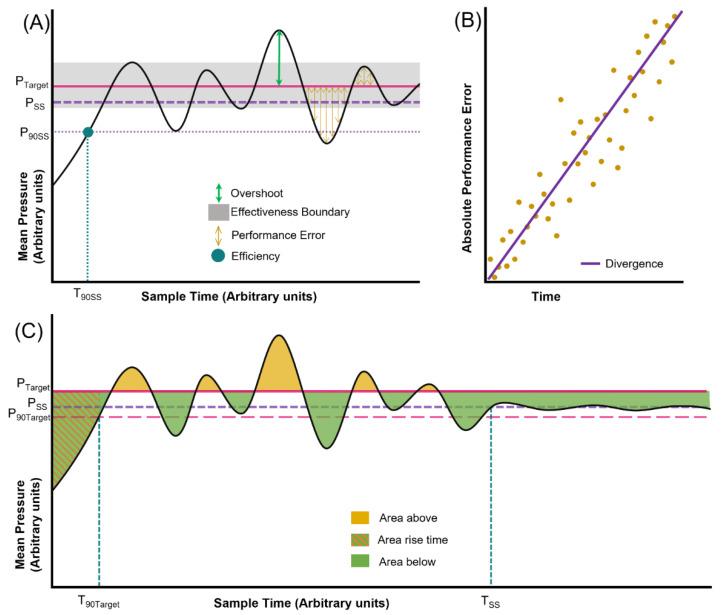
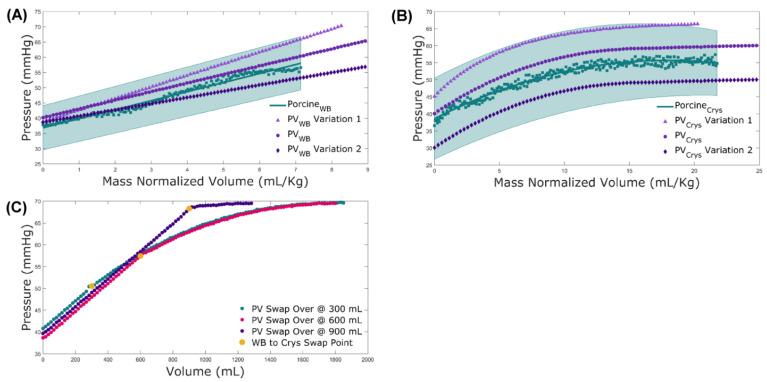
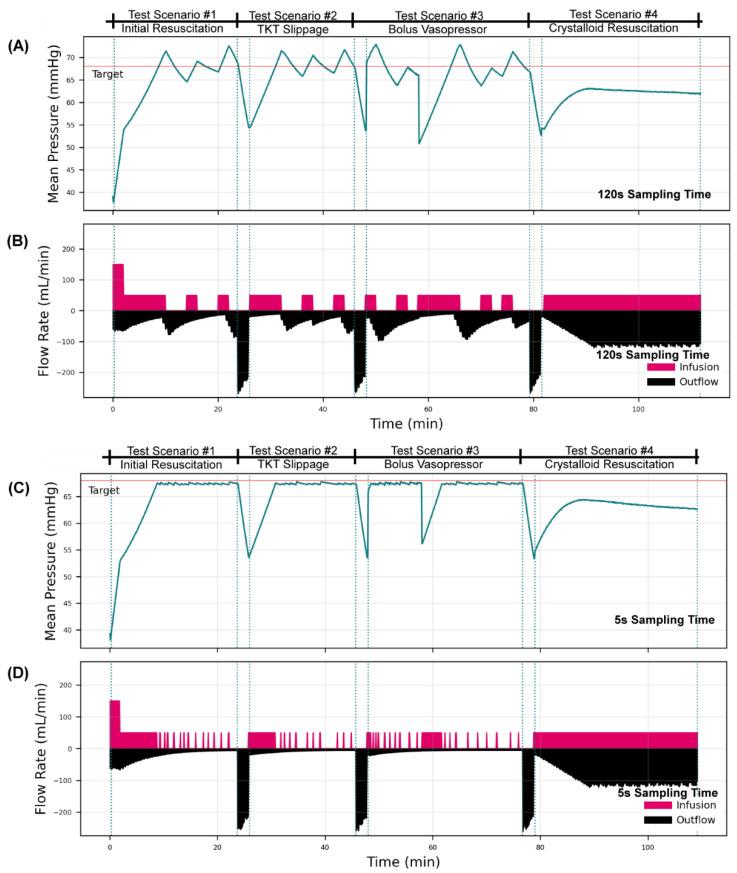
Hemorrhage remains a leading cause of death, with early goal-directed fluid resuscitation being a pillar of mortality prevention. While closed-loop resuscitation can potentially benefit this effort, development of these systems is resource-intensive, making it a challenge to compare infusion controllers and respective hardware within a range of physiologically relevant hemorrhage scenarios. Here, we present a hardware-in-loop automated testbed for resuscitation controllers (HATRC) that provides a simple yet robust methodology to evaluate controllers. HATRC is a flow-loop benchtop system comprised of multiple PhysioVessels which mimic pressure-volume responsiveness for different resuscitation infusates. Subject variability and infusate switching were integrated for more complex testing. Further, HATRC can modulate fluidic resistance to mimic arterial resistance changes after vasopressor administration. Finally, all outflow rates are computer-controlled, with rules to dictate hemorrhage, clotting, and urine rates. Using HATRC, we evaluated a decision-table controller at two sampling rates with different hemorrhage scenarios. HATRC allows quantification of twelve performance metrics for each controller configuration and scenario, producing heterogeneous results and highlighting the need for controller evaluation with multiple hemorrhage scenarios. In conclusion, HATRC can be used to evaluate closed-loop controllers through user-defined hemorrhage scenarios while rating their performance. Extensive controller troubleshooting using HATRC can accelerate product development and subsequent translation.
出血仍然是主要的死亡原因,早期目标导向性液体复苏是预防死亡的关键。虽然闭环复苏可能有助于这一努力,但这些系统的开发资源密集,因此在一系列生理相关的出血场景中比较输液控制器和相应硬件具有挑战性。在此,我们展示了一种用于复苏控制器的硬件在环自动化测试平台(HATRC),它提供了一种简单而稳健的方法来评估控制器。HATRC是一个流动环路台式系统,由多个生理血管组成,可模拟不同复苏输注液的压力-容积反应性。整合了受试者变异性和输注液切换以进行更复杂的测试。此外,HATRC可以调节流体阻力,以模拟使用血管升压药后动脉阻力的变化。最后,所有流出速率均由计算机控制,并通过规则来规定出血、凝血和尿液速率。使用HATRC,我们在两种采样率下,针对不同出血场景评估了一个决策表控制器。HATRC允许对每种控制器配置和场景的十二个性能指标进行量化,产生异质性结果,并突出了在多种出血场景下进行控制器评估的必要性。总之,HATRC可用于通过用户定义的出血场景评估闭环控制器,同时对其性能进行评级。使用HATRC进行广泛的控制器故障排除可以加速产品开发及后续转化。

 Zotero 插件