
整合转录组学和代谢组学分析揭示丹参根在氮饥饿胁迫下丹酚酸合成途径。
Integrative transcriptomic and metabolomic analyses unveil tanshinone biosynthesis in Salvia miltiorrhiza root under N starvation stress.
机构信息
Hainan Provincial Key Laboratory of Resources Conservation and Development of Southern Medicine, Hainan Branch of the Institute of Medicinal Plant Development, Chinese Academy of Medical Sciences & Peking Union Medical College, Haikou, China.
Hainan Key Laboratory of Tropical Oil Crops Biology/Coconut Research Institute, Chinese Academy of Tropical Agricultural Sciences, Wenchang, China.
出版信息
PLoS One. 2022 Aug 25;17(8):e0273495. doi: 10.1371/journal.pone.0273495. eCollection 2022.
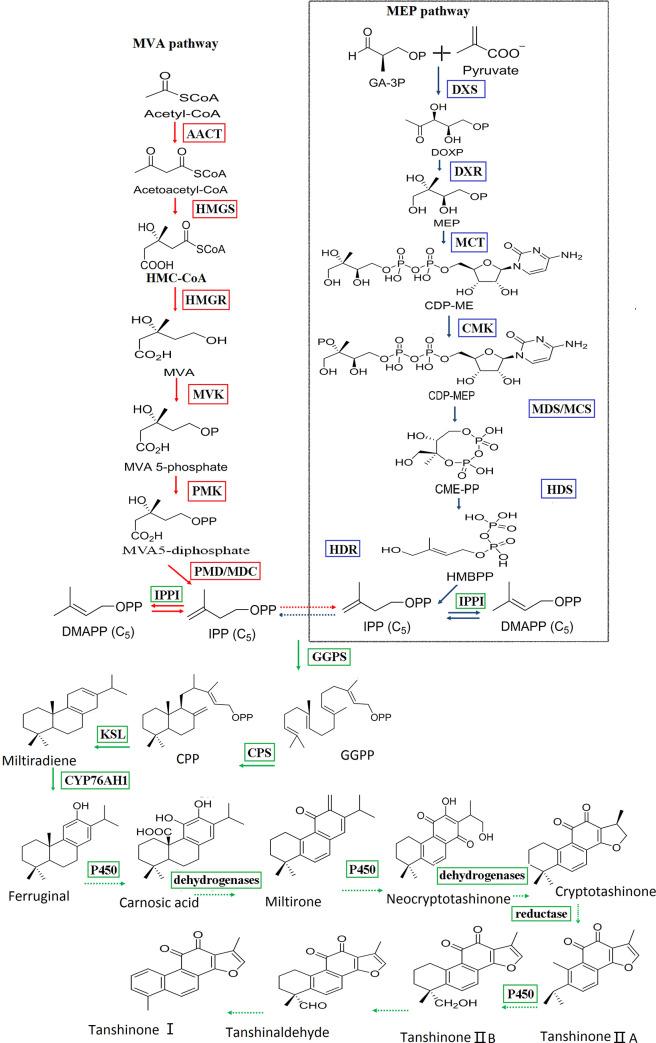
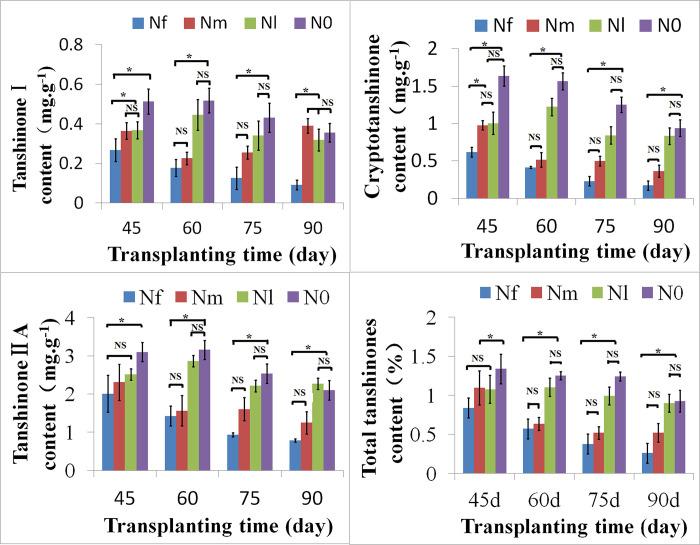
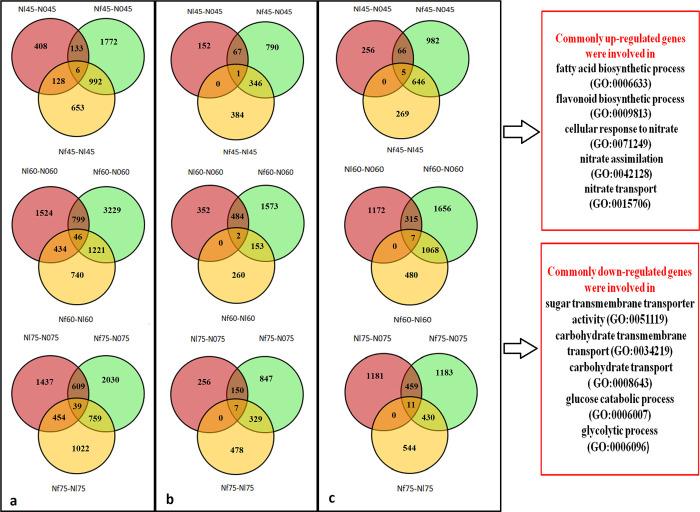
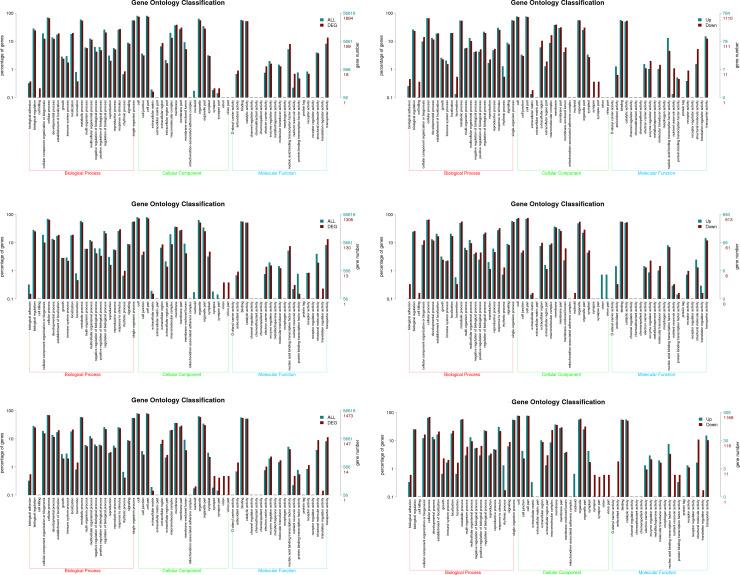
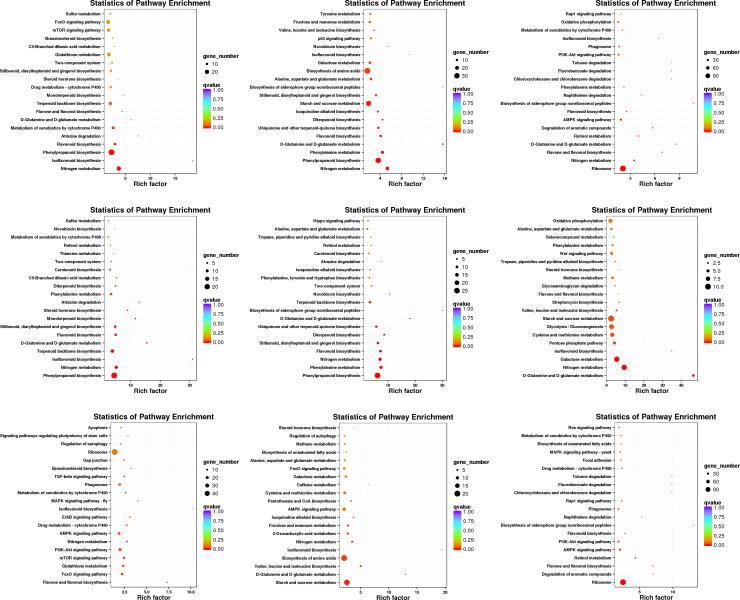
Salvia miltiorrhiza is a model plant for Chinese herbal medicine with significant pharmacologic effects due to its tanshinone components. Our previous study indicated that nitrogen starvation stress increased its tanshinone content. However, the molecular mechanism of this low nitrogen-induced tanshinone biosynthesis is still unclear. Thus, this study aimed to elucidate the molecular mechanism of tanshinone biosynthesis in S. miltiorrhiza under different N conditions [N-free (N0), low-N (Nl), and full-N (Nf, as control) conditions] by using transcriptome and metabolome analyses. Our results showed 3,437 and 2,274 differentially expressed unigenes between N0 and Nf as well as Nl and Nf root samples, respectively. N starvation (N0 and Nl) promoted the expression of the genes involved in the MVA and MEP pathway of tanshinone and terpenoid backbone biosynthesis. Gene ontology and KEGG analyses revealed that terpenoid backbone biosynthesis, hormone signal transduction, and phenylpropanoid biosynthesis were promoted under N starvation conditions, whereas starch and sucrose metabolisms, nitrogen and phosphorus metabolisms, as well as membrane development were inhibited. Furthermore, metabolome analysis showed that metabolite compounds and biosynthesis of secondary metabolites were upregulated. This study provided a novel insight into the molecular mechanisms of tanshinone production in S. miltiorrhiza in response to nitrogen stress.
丹参是一种具有显著药理作用的中草药模式植物,其丹参酮成分是其发挥药效的物质基础。我们之前的研究表明,氮饥饿胁迫会增加其丹参酮的含量。然而,低氮诱导丹参酮生物合成的分子机制尚不清楚。因此,本研究旨在通过转录组和代谢组分析,阐明不同氮条件(无氮(N0)、低氮(Nl)和全氮(Nf,作为对照))下丹参中丹参酮生物合成的分子机制。研究结果表明,N0 和 Nf 以及 Nl 和 Nf 根样本之间分别有 3437 个和 2274 个差异表达的 unigenes。氮饥饿(N0 和 Nl)促进了丹参酮和萜类骨架生物合成的 MVA 和 MEP 途径中基因的表达。GO 和 KEGG 分析表明,氮饥饿条件下促进了萜类骨架生物合成、激素信号转导和苯丙素生物合成,而淀粉和蔗糖代谢、氮磷代谢以及膜发育受到抑制。此外,代谢组分析表明,次生代谢物的代谢物化合物和生物合成被上调。本研究为丹参响应氮胁迫产生丹参酮的分子机制提供了新的见解。





 Zotero 插件