
人类诱导多能干细胞培养、心脏分化、亚型特化、成熟和直接重编程的方案综述。
A review of protocols for human iPSC culture, cardiac differentiation, subtype-specification, maturation, and direct reprogramming.
机构信息
Department of Pharmacology, Northwestern University Feinberg School of Medicine, Chicago, IL, USA; Center for Pharmacogenomics, Northwestern University Feinberg School of Medicine, Chicago, IL, USA.
Stem Cell Unit, Clinic for Cardiology and Pneumology, University Medical Center Göttingen, Göttingen, Germany; German Center for Cardiovascular Research (DZHK), Partner Site Göttingen, Göttingen, Germany.
出版信息
STAR Protoc. 2022 Aug 18;3(3):101560. doi: 10.1016/j.xpro.2022.101560. eCollection 2022 Sep 16.
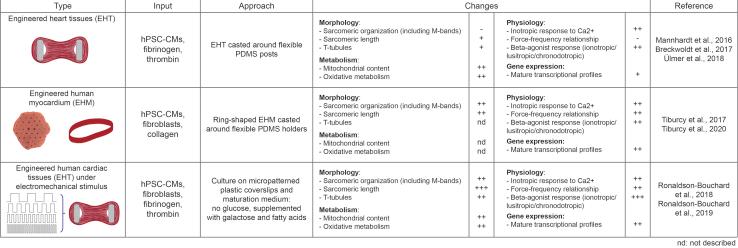
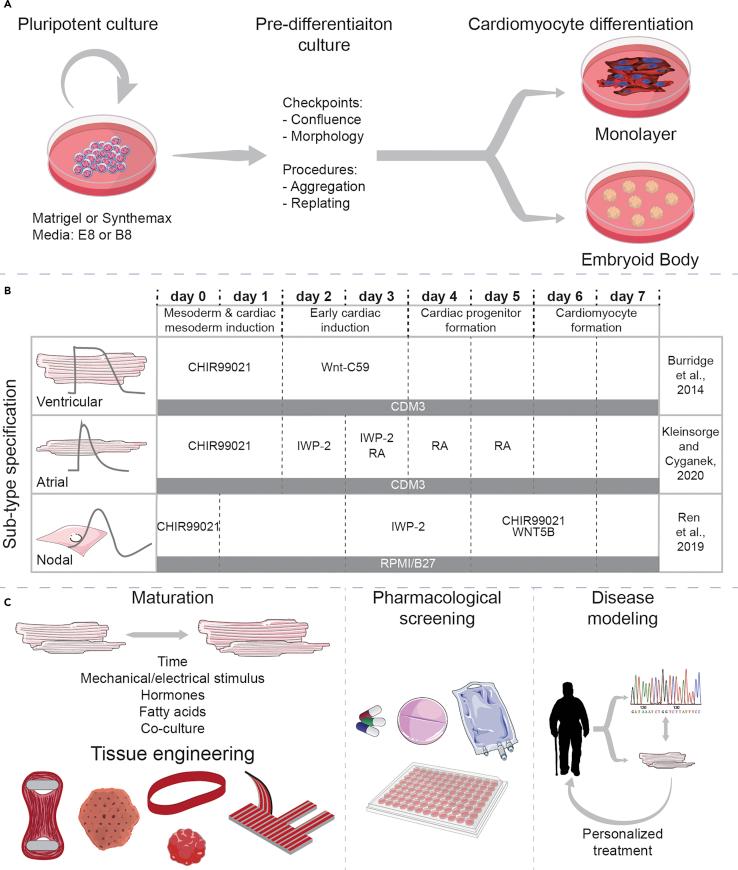
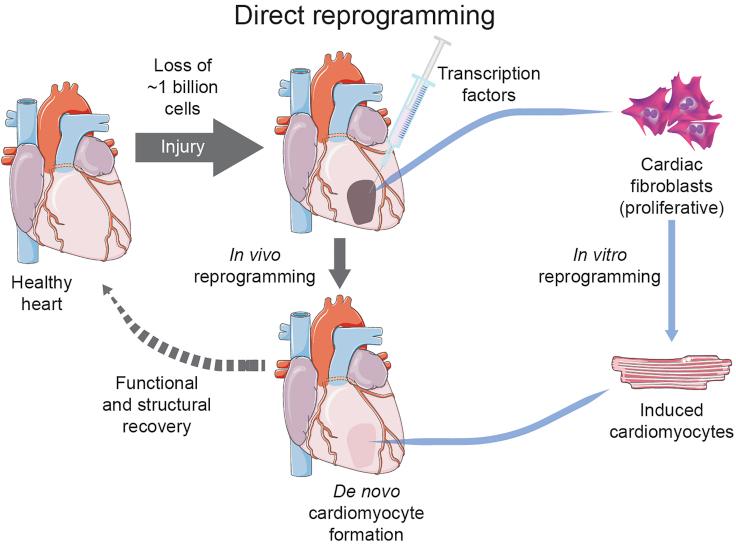
The methods for the culture and cardiomyocyte differentiation of human embryonic stem cells, and later human induced pluripotent stem cells (hiPSC), have moved from a complex and uncontrolled systems to simplified and relatively robust protocols, using the knowledge and cues gathered at each step. HiPSC-derived cardiomyocytes have proven to be a useful tool in human disease modelling, drug discovery, developmental biology, and regenerative medicine. In this protocol review, we will highlight the evolution of protocols associated with hPSC culture, cardiomyocyte differentiation, sub-type specification, and cardiomyocyte maturation. We also discuss protocols for somatic cell direct reprogramming to cardiomyocyte-like cells.
人胚胎干细胞(hESC)及其随后的人诱导多能干细胞(hiPSC)的培养和心肌细胞分化方法,已经从复杂和不可控的系统,发展到使用在每个步骤中收集的知识和线索,通过简化和相对稳健的方案来实现。hiPSC 衍生的心肌细胞已被证明是人类疾病建模、药物发现、发育生物学和再生医学的有用工具。在本方案综述中,我们将重点介绍与 hPSC 培养、心肌细胞分化、亚型特化和心肌细胞成熟相关的方案的演变。我们还讨论了体细胞直接重编程为心肌样细胞的方案。

 Zotero 插件