
用于预测治疗靶点的神经系统疾病中肿瘤坏死因子介导的鞘脂信号通路的系统水平建模与分析
System level modeling and analysis of TNF- mediated sphingolipid signaling pathway in neurological disorders for the prediction of therapeutic targets.
作者信息
Banaras Sanam, Paracha Rehan Zafar, Nisar Maryum, Arif Ayesha, Ahmad Jamil, Tariq Saeed Muhammad, Mustansar Zartasha, Shuja Malik Nawaz, Paracha Rizwan Nasir
机构信息
School of Interdisciplinary Engineering and Sciences (SINES), National University of Sciences and Technology (NUST), Islamabad, Pakistan.
Computer Science and Information Technology (CS&IT), University of Malakand, Chakdara, Pakistan.
出版信息
Front Physiol. 2022 Aug 19;13:872421. doi: 10.3389/fphys.2022.872421. eCollection 2022.
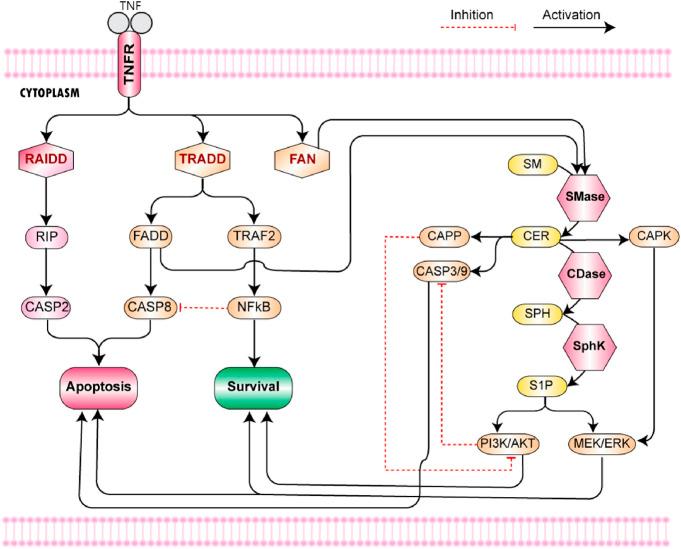
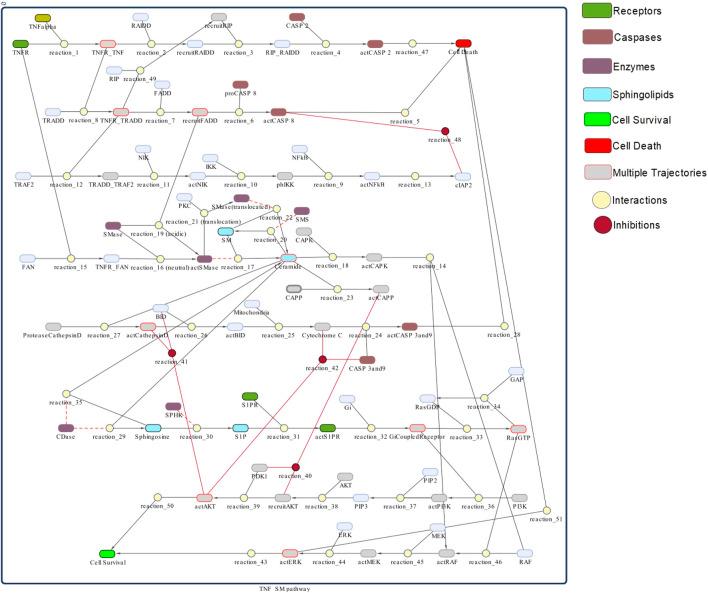
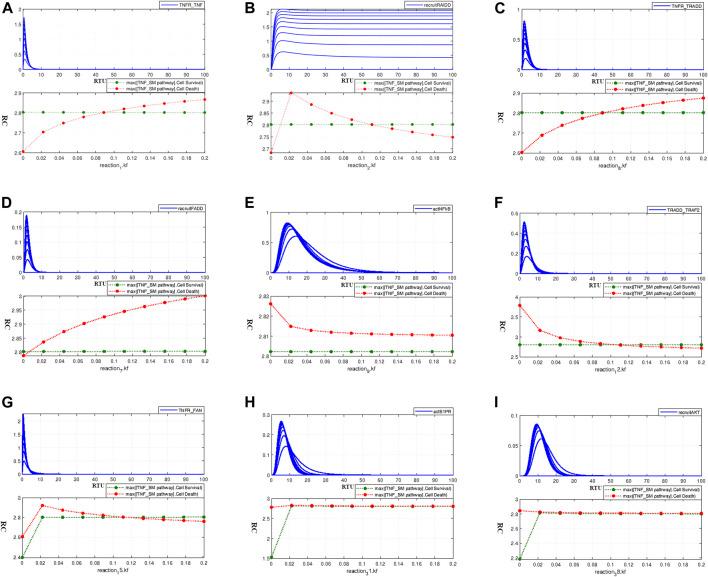
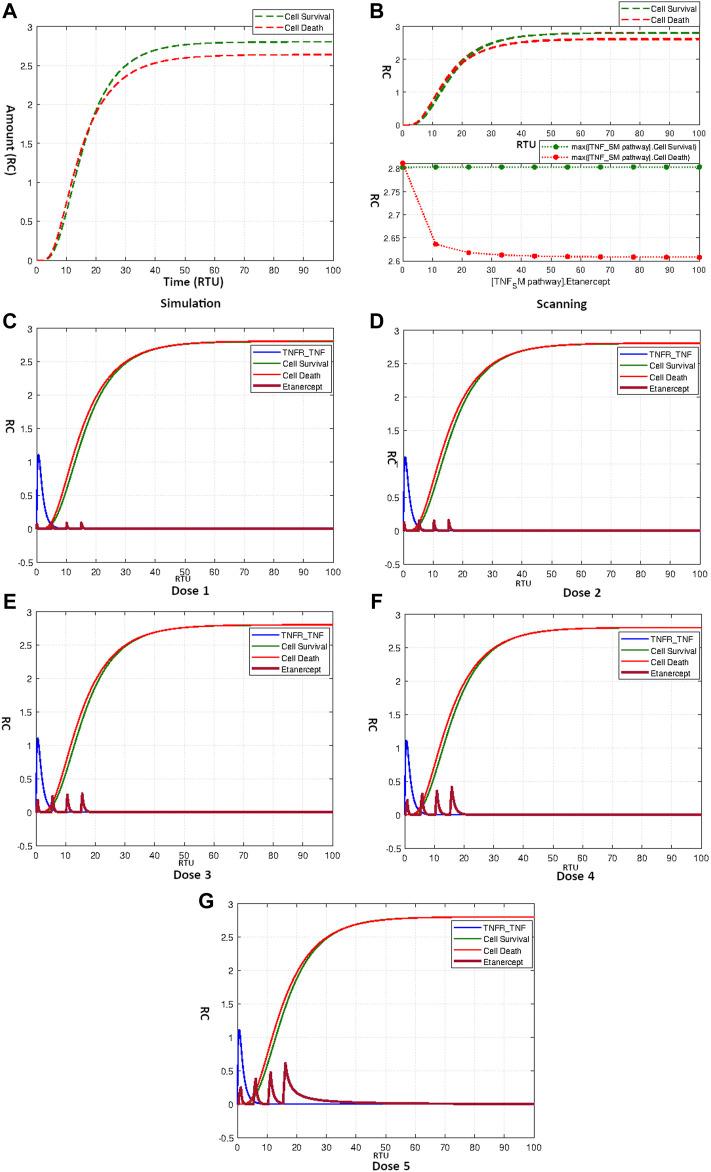
Sphingomyelin (SM) belongs to a class of lipids termed sphingolipids. The disruption in the sphingomyelin signaling pathway is associated with various neurodegenerative disorders. TNF-, a potent pro-inflammatory cytokine generated in response to various neurological disorders like Alzheimer's disease (AD), Parkinson's disease (PD), and Multiple Sclerosis (MS), is an eminent regulator of the sphingomyelin metabolic pathway. The immune-triggered regulation of the sphingomyelin metabolic pathway TNF- constitutes the sphingomyelin signaling pathway. In this pathway, sphingomyelin and its downstream sphingolipids activate various signaling cascades like PI3K/AKT and MAPK/ERK pathways, thus, controlling diverse processes coupled with neuronal viability, survival, and death. The holistic analysis of the immune-triggered sphingomyelin signaling pathway is imperative to make necessary predictions about its pivotal components and for the formulation of disease-related therapeutics. The current work offers a comprehensive in silico systems analysis of TNF- mediated sphingomyelin and downstream signaling cascades a model-based quantitative approach. We incorporated the intensity values of genes from the microarray data of control individuals from the AD study in the input entities of the pathway model. Computational modeling and simulation of the inflammatory pathway enabled the comprehensive study of the system dynamics. Network and sensitivity analysis of the model unveiled essential interaction parameters and entities during neuroinflammation. Scanning of the key entities and parameters allowed us to determine their ultimate impact on neuronal apoptosis and survival. Moreover, the efficacy and potency of the FDA-approved drugs, namely Etanercept, Nivocasan, and Scyphostatin allowed us to study the model's response towards inhibition of the respective proteins/enzymes. The network analysis revealed the pivotal model entities with high betweenness and closeness centrality values including recruit FADD, TNFR_TRADD, act CASP2, actCASP8, actCASP3 and 9, cytochrome C, and RIP_RAIDD which profoundly impacted the neuronal apoptosis. Whereas some of the entities with high betweenness and closeness centrality values like Gi-coupled receptor, actS1PR, Sphingosine, S1P, actAKT, and actERK produced a high influence on neuronal survival. However, the current study inferred the dual role of ceramide, both on neuronal survival and apoptosis. Moreover, the drug Nivocasan effectively reduces neuronal apoptosis its inhibitory mechanism on the caspases.
鞘磷脂(SM)属于一类称为鞘脂的脂质。鞘磷脂信号通路的破坏与多种神经退行性疾病相关。肿瘤坏死因子-α(TNF-α)是一种在应对各种神经系统疾病(如阿尔茨海默病(AD)、帕金森病(PD)和多发性硬化症(MS))时产生的强效促炎细胞因子,是鞘磷脂代谢途径的重要调节因子。免疫触发的鞘磷脂代谢途径调节——TNF-α构成了鞘磷脂信号通路。在该途径中,鞘磷脂及其下游鞘脂激活各种信号级联反应,如PI3K/AKT和MAPK/ERK途径,从而控制与神经元活力、存活和死亡相关的各种过程。对免疫触发的鞘磷脂信号通路进行全面分析,对于对其关键成分进行必要预测以及制定与疾病相关的治疗方法至关重要。当前的工作提供了对TNF-α介导的鞘磷脂和下游信号级联反应的全面计算机系统分析——一种基于模型的定量方法。我们将来自AD研究中对照个体微阵列数据的基因强度值纳入途径模型的输入实体中。炎症途径的计算建模和模拟使得能够对系统动力学进行全面研究。模型的网络和敏感性分析揭示了神经炎症期间的关键相互作用参数和实体。对关键实体和参数的扫描使我们能够确定它们对神经元凋亡和存活的最终影响。此外,美国食品药品监督管理局(FDA)批准的药物依那西普、尼伏卡桑和西佛他汀的疗效和效力使我们能够研究模型对抑制相应蛋白质/酶的反应。网络分析揭示了具有高中介中心性和紧密中心性值的关键模型实体,包括募集FADD、TNFR_TRADD、激活CASP2、激活CASP8、激活CASP3和9、细胞色素C以及RIP_RAIDD,它们对神经元凋亡有深远影响。而一些具有高中介中心性和紧密中心性值的实体,如Gi偶联受体、激活S1PR、鞘氨醇、S1P、激活AKT和激活ERK,对神经元存活有很大影响。然而,当前研究推断神经酰胺在神经元存活和凋亡中具有双重作用。此外,药物尼伏卡桑通过其对半胱天冬酶的抑制机制有效减少神经元凋亡。







 Zotero 插件