
种族主义对健康的持久影响:理解随时间推移的直接和间接影响。
The enduring effects of racism on health: Understanding direct and indirect effects over time.
作者信息
Stopforth Sarah, Kapadia Dharmi, Nazroo James, Bécares Laia
机构信息
King's College London, UK.
University of Manchester, UK.
出版信息
SSM Popul Health. 2022 Aug 28;19:101217. doi: 10.1016/j.ssmph.2022.101217. eCollection 2022 Sep.
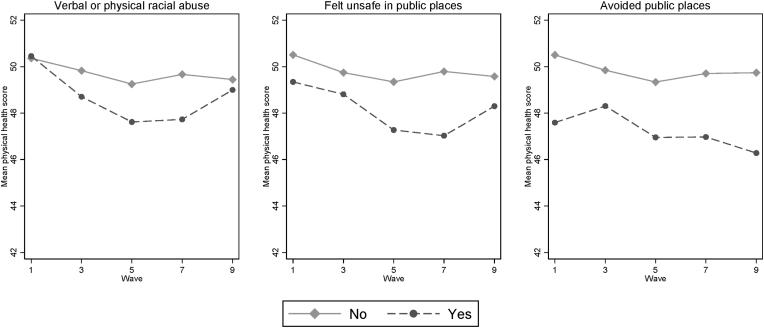
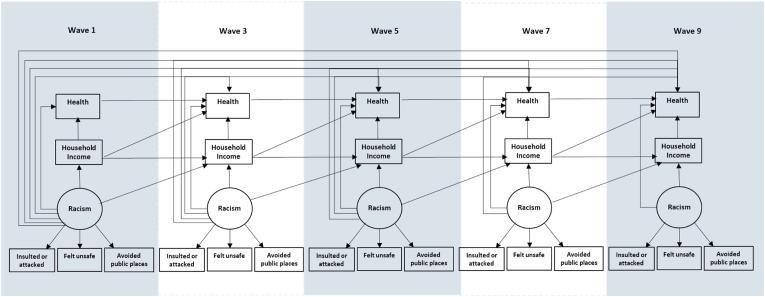
Experiences of racism and racial discrimination are associated with poorer mental and physical health outcomes for people from minoritised ethnic groups. One mechanism by which racism leads to poor health is through reduced socio-economic resources, but the evidence documenting the direct and indirect effects of racism on health via socio-economic inequality over time is under-developed. The central aims of this paper are to better understand how racism affects health over time, by age, and via the key mechanism of socio-economic inequality. This paper analyses large-scale, nationally representative data from the UK Household Longitudinal Study (Understanding Society) 2009-2019. Findings from longitudinal structural equation models clearly indicate the enduring effects of racism on health, which operate over time both directly and indirectly through lower income and poorer prior health. Repeated exposure to racism severely and negatively impacts the health of people from minoritised ethnic groups. These findings make an important contribution to the existing evidence base, demonstrating the enduring effects of racism on health over time and across age groups.
种族主义和种族歧视经历与少数族裔人群较差的身心健康结果相关。种族主义导致健康状况不佳的一种机制是社会经济资源减少,但随着时间推移,记录种族主义通过社会经济不平等对健康产生直接和间接影响的证据并不充分。本文的核心目标是更好地理解种族主义如何随着时间推移、按年龄以及通过社会经济不平等这一关键机制影响健康。本文分析了来自英国家庭纵向研究(理解社会)2009 - 2019年的大规模、具有全国代表性的数据。纵向结构方程模型的结果清楚地表明了种族主义对健康的持久影响,这种影响随着时间推移通过较低收入和较差的既往健康状况直接和间接地发挥作用。反复经历种族主义会严重且负面地影响少数族裔人群的健康。这些发现为现有证据基础做出了重要贡献,证明了种族主义在不同时间和年龄组对健康的持久影响。

 Zotero 插件