
帕金森综合征的遗传学与发病机制。
Genetics and Pathogenesis of Parkinson's Syndrome.
机构信息
Department of Neurology, Baylor College of Medicine, Houston, Texas, USA; email:
Jan and Dan Duncan Neurological Research Institute, Texas Children's Hospital, Houston, Texas, USA.
出版信息
Annu Rev Pathol. 2023 Jan 24;18:95-121. doi: 10.1146/annurev-pathmechdis-031521-034145. Epub 2022 Sep 13.
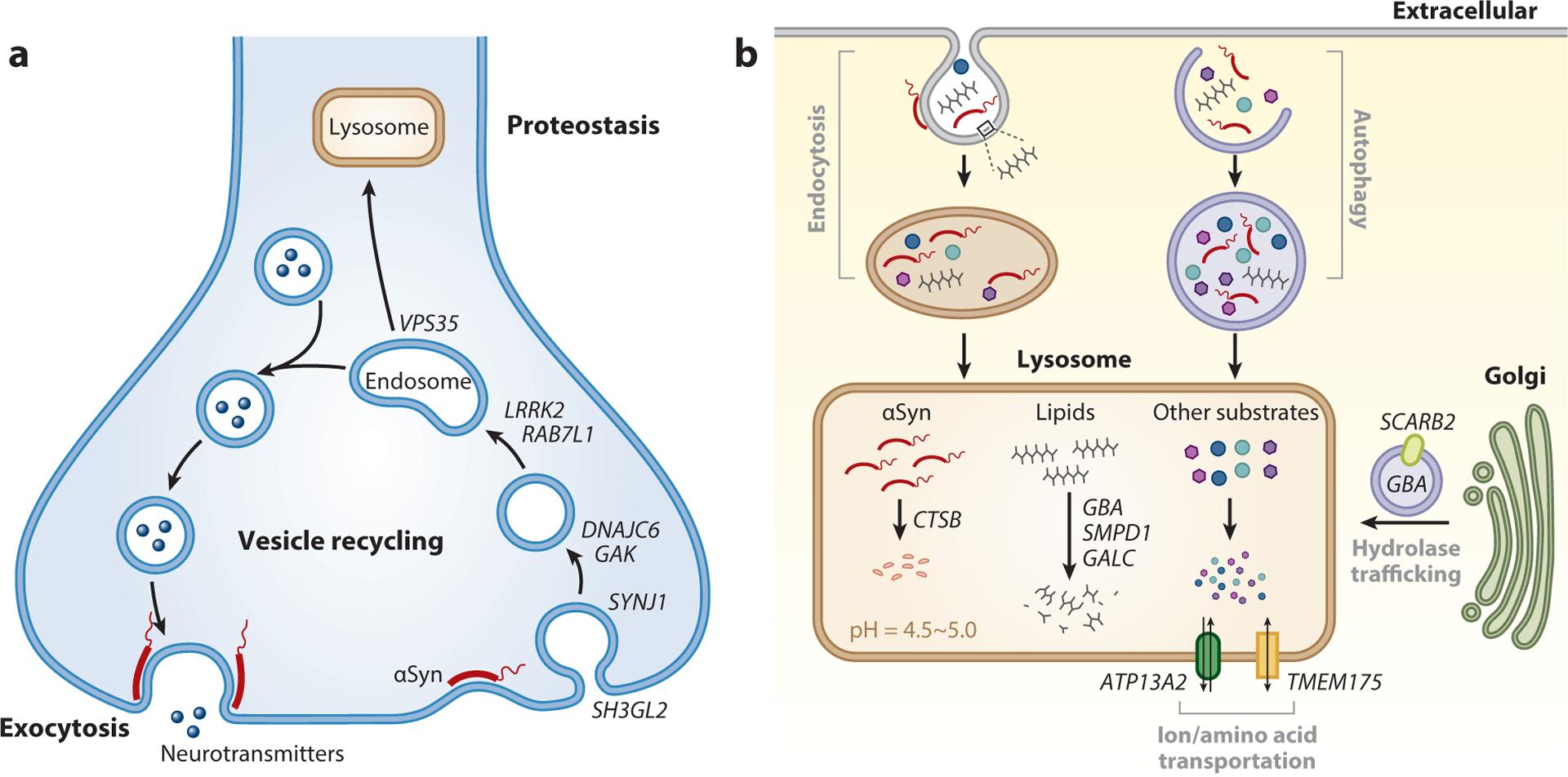
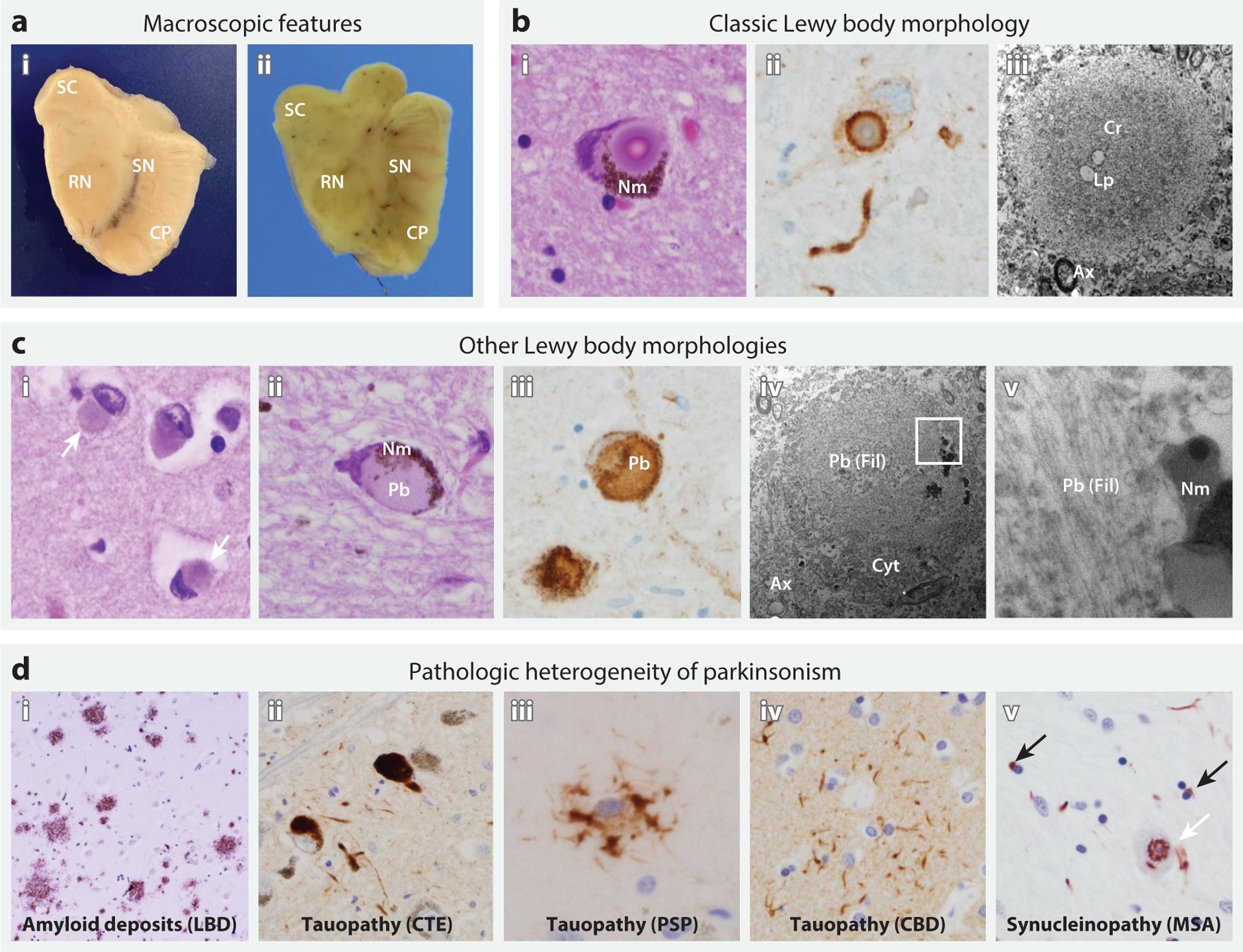
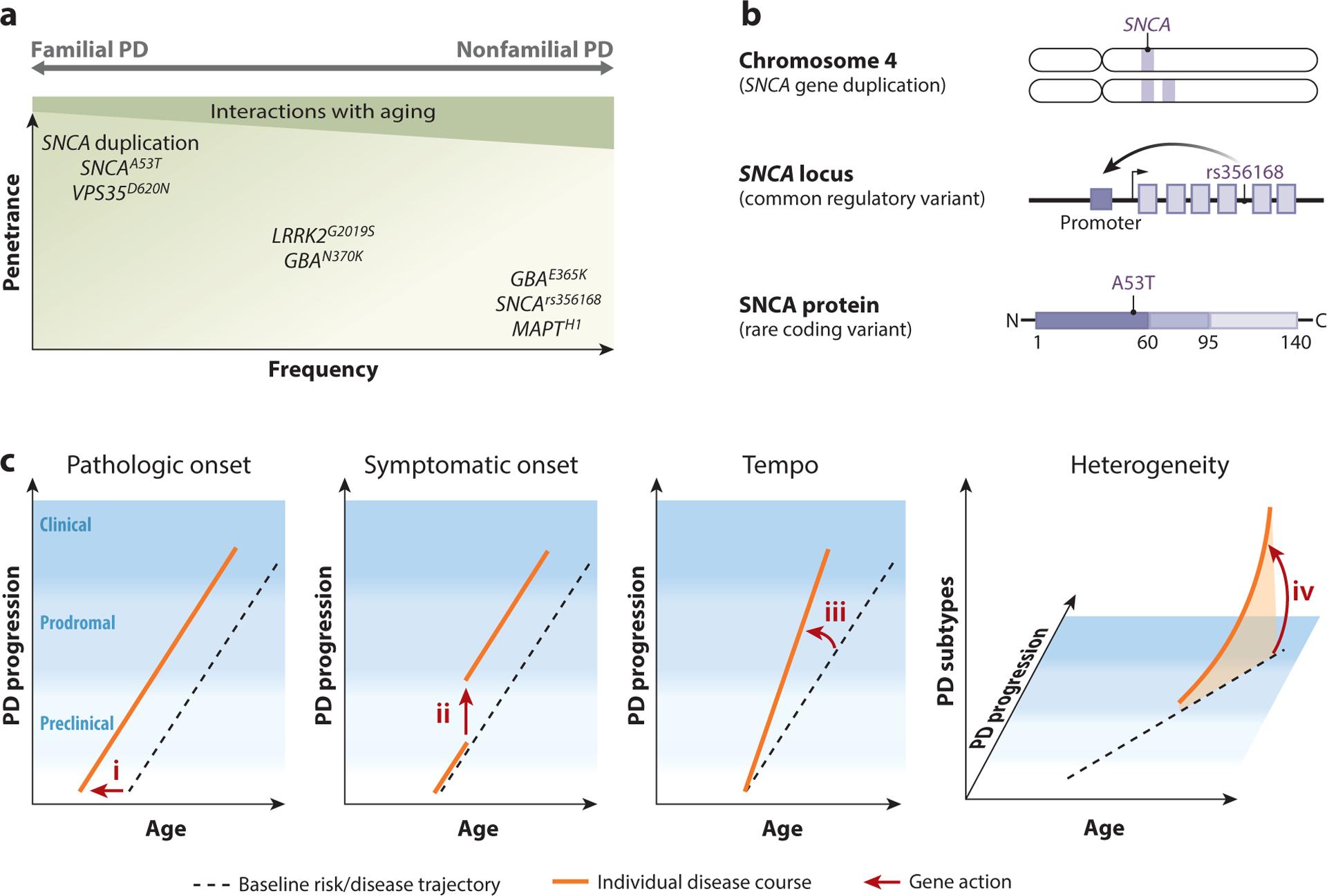
Parkinson's disease (PD) is clinically, pathologically, and genetically heterogeneous, resisting distillation to a single, cohesive disorder. Instead, each affected individual develops a virtually unique form of Parkinson's syndrome. Clinical manifestations consist of variable motor and nonmotor features, and myriad overlaps are recognized with other neurodegenerative conditions. Although most commonly characterized by alpha-synuclein protein pathology throughout the central and peripheral nervous systems, the distribution varies and other pathologies commonly modify PD or trigger similar manifestations. Nearly all PD is genetically influenced. More than 100 genes or genetic loci have been identified, and most cases likely arise from interactions among many common and rare genetic variants. Despite its complex architecture, insights from experimental genetic dissection coalesce to reveal unifying biological themes, including synaptic, lysosomal, mitochondrial, andimmune-mediated mechanisms of pathogenesis. This emerging understanding of Parkinson's syndrome, coupled with advances in biomarkers and targeted therapies, presages successful precision medicine strategies.
帕金森病(PD)在临床上、病理学上和遗传学上存在异质性,难以归结为单一的、连贯的疾病。相反,每个受影响的个体都会发展出一种几乎独特的帕金森综合征形式。临床表现包括不同的运动和非运动特征,并且与其他神经退行性疾病存在多种重叠。尽管大多数情况下以中枢和外周神经系统中α-突触核蛋白病理学为特征,但分布情况有所不同,其他病理学通常会改变 PD 或引发类似的表现。几乎所有 PD 都受到遗传影响。已经确定了 100 多个基因或遗传位点,大多数病例可能是由许多常见和罕见的遗传变异相互作用引起的。尽管其结构复杂,但来自实验遗传解析的见解汇聚在一起,揭示了统一的生物学主题,包括突触、溶酶体、线粒体和免疫介导的发病机制。对帕金森综合征的这种新认识,加上生物标志物和靶向治疗的进步,预示着成功的精准医学策略。
 Zotero 插件