
CRISPR-Cas系统的治疗应用。
Therapeutic Applications of the CRISPR-Cas System.
作者信息
Kang Kyungmin, Song Youngjae, Kim Inho, Kim Tae-Jung
机构信息
College of Medicine, The Catholic University of Korea, 222 Banpo-daero, Seocho-gu, Seoul 06591, Korea.
Department of Hospital Pathology, Yeouido St. Mary's Hospital, College of Medicine, The Catholic University of Korea, 10, 63-ro, Yeongdeungpo-gu, Seoul 07345, Korea.
出版信息
Bioengineering (Basel). 2022 Sep 15;9(9):477. doi: 10.3390/bioengineering9090477.
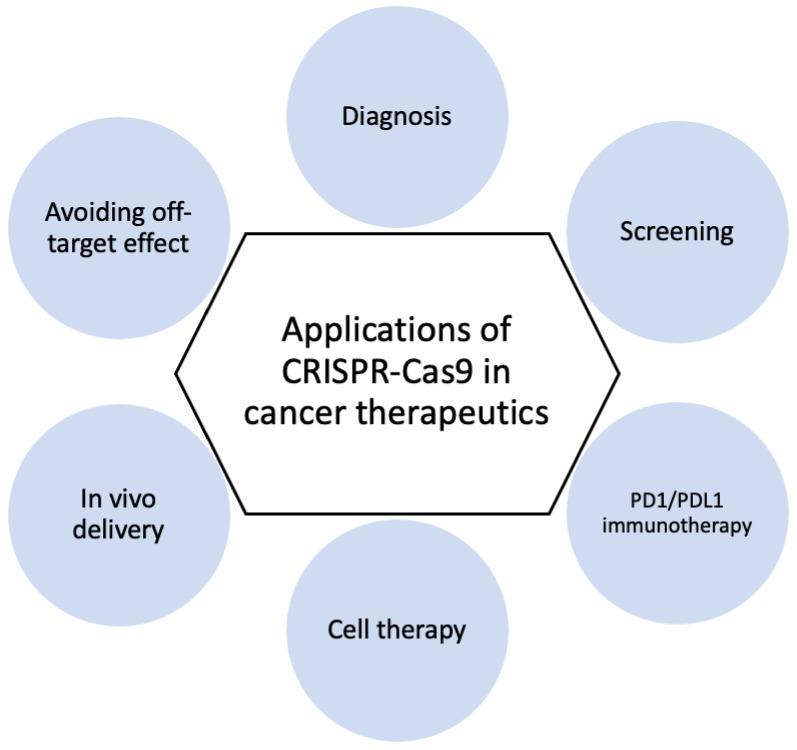
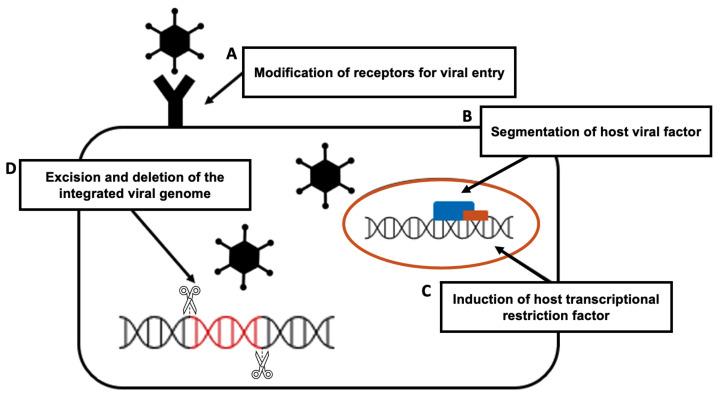
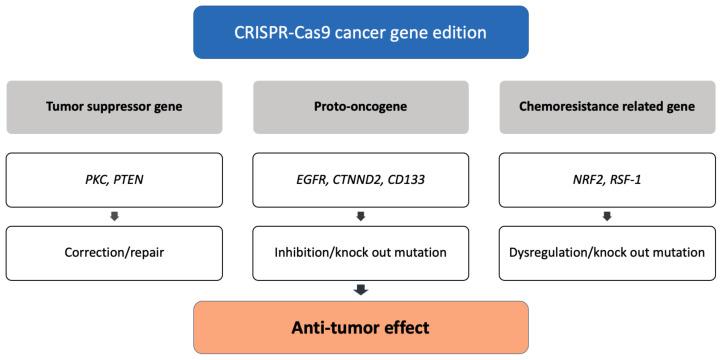
The clustered regularly interspaced palindromic repeat (CRISPR)-Cas system has revolutionized genetic engineering due to its simplicity, stability, and precision since its discovery. This technology is utilized in a variety of fields, from basic research in medicine and biology to medical diagnosis and treatment, and its potential is unbounded as new methods are developed. The review focused on medical applications and discussed the most recent treatment trends and limitations, with an emphasis on CRISPR-based therapeutics for infectious disease, oncology, and genetic disease, as well as CRISPR-based diagnostics, screening, immunotherapy, and cell therapy. Given its promising results, the successful implementation of the CRISPR-Cas system in clinical practice will require further investigation into its therapeutic applications.
成簇规律间隔短回文重复序列(CRISPR)-Cas系统自发现以来,因其简单性、稳定性和精确性,给基因工程带来了革命性变化。这项技术应用于从医学和生物学的基础研究到医学诊断与治疗等多个领域,随着新方法的不断开发,其潜力无限。这篇综述聚焦于医学应用,讨论了最新的治疗趋势和局限性,重点介绍了基于CRISPR的传染病、肿瘤学和遗传病治疗方法,以及基于CRISPR的诊断、筛查、免疫疗法和细胞疗法。鉴于其取得的有前景的成果,要在临床实践中成功应用CRISPR-Cas系统,还需要对其治疗应用进行进一步研究。
 Zotero 插件