
食用抗炎饮食的阿尔茨海默病患者具有不同的口腔和肠道微生物特征。
Different oral and gut microbial profiles in those with Alzheimer's disease consuming anti-inflammatory diets.
作者信息
Chen Lili, Wang Bixia, Liu Jinxiu, Wu Xiaoqi, Xu Xinhua, Cao Huizhen, Ji Xinli, Zhang Ping, Li Xiuli, Hou Zhaoyi, Li Hong
机构信息
Shengli Clinical Medical College of Fujian Medical University, Fuzhou, China.
The School of Nursing, Fujian Medical University, Fuzhou, China.
出版信息
Front Nutr. 2022 Sep 15;9:974694. doi: 10.3389/fnut.2022.974694. eCollection 2022.
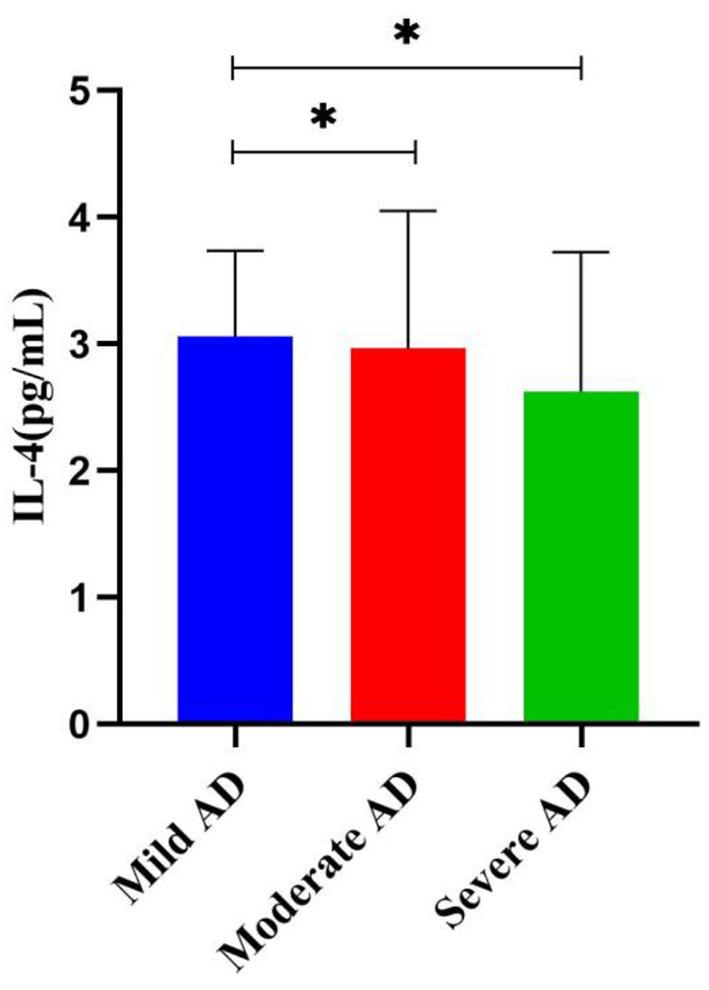
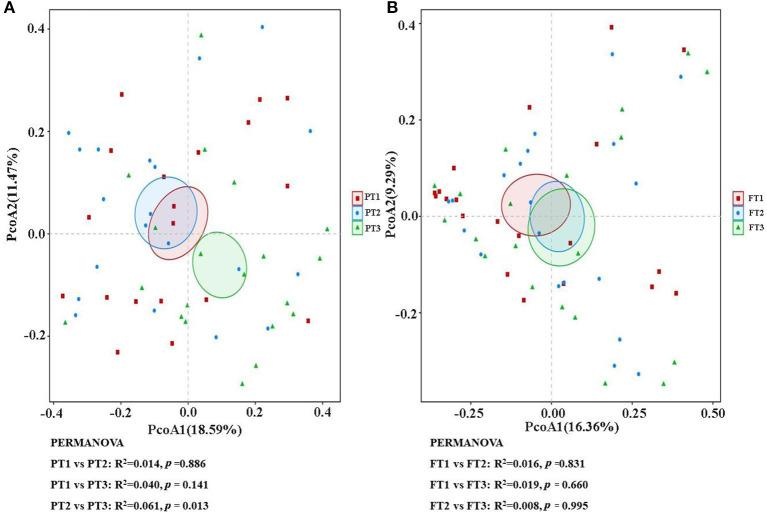
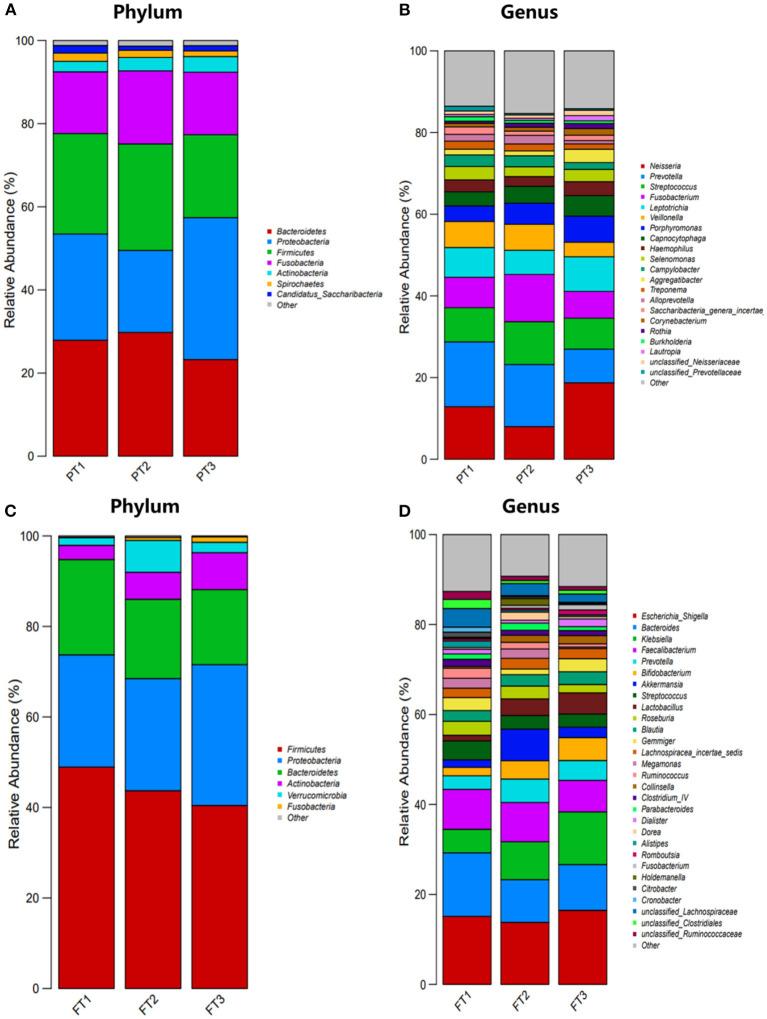
The number of people living with Alzheimer's disease (AD) is increasing alongside with aging of the population. Systemic chronic inflammation and microbial imbalance may play an important role in the pathogenesis of AD. Inflammatory diets regulate both the host microbiomes and inflammatory status. This study aimed to explore the impact of inflammatory diets on oral-gut microbes in patients with AD and the relationship between microbes and markers of systemic inflammation. The dietary inflammatory properties and the oral and gut microorganisms were analyzed using the dietary inflammatory index (DII) and 16S RNA in 60 patients with AD. The α-diversity was not related to the DII ( > 0.05), whereas the β-diversity was different in the oral microbiomes (R = 0.061, = 0.013). In the most anti-inflammatory diet group, and were more abundant in oral microbiomes and , and unclassified were in the gut microbiomes ( < 0.05). Specific oral and gut genera were associated with interleukin-6 (IL)-6, complement 3 (C3), high-sensitivity C-reactive protein (hs-CRP), IL-1β, IL-4, IL-10, IL-12, and tumor necrosis factor-α (TNF-α) ( < 0.05). In conclusion, anti-inflammatory diets seem to be associated with increased abundance of beneficial microbes, and specific oral and gut microbial composition was associated with inflammatory markers.
随着人口老龄化,阿尔茨海默病(AD)患者数量不断增加。全身性慢性炎症和微生物失衡可能在AD的发病机制中起重要作用。炎症性饮食可调节宿主微生物群和炎症状态。本研究旨在探讨炎症性饮食对AD患者口腔-肠道微生物的影响以及微生物与全身炎症标志物之间的关系。采用饮食炎症指数(DII)和16S RNA对60例AD患者的饮食炎症特性以及口腔和肠道微生物进行分析。α多样性与DII无关(>0.05),而β多样性在口腔微生物群中有所不同(R = 0.061, = 0.013)。在抗炎性最强的饮食组中,口腔微生物群中的 和 更为丰富,肠道微生物群中的 和未分类的 更为丰富(<0.05)。特定的口腔和肠道菌属与白细胞介素-6(IL)-6、补体3(C3)、高敏C反应蛋白(hs-CRP)、IL-1β、IL-4、IL-10、IL-12和肿瘤坏死因子-α(TNF-α)相关(<0.05)。总之,抗炎性饮食似乎与有益微生物丰度增加有关,特定的口腔和肠道微生物组成与炎症标志物相关。




 Zotero 插件