
关于 LSD1 及其抑制剂在乳腺癌中的研究现状综述:分子机制与治疗意义
A state-of-the-art review on LSD1 and its inhibitors in breast cancer: Molecular mechanisms and therapeutic significance.
作者信息
Yang Guan-Jun, Liu Yan-Jun, Ding Li-Jian, Tao Fan, Zhu Ming-Hui, Shi Zhen-Yuan, Wen Juan-Ming, Niu Meng-Yao, Li Xiang, Xu Zhan-Song, Qin Wan-Jia, Fei Chen-Jie, Chen Jiong
机构信息
State Key Laboratory for Managing Biotic and Chemical Threats to the Quality and Safety of Agro-products, Ningbo University, Ningbo, Zhejiang, China.
Laboratory of Biochemistry and Molecular Biology, School of Marine Sciences, Ningbo University, Ningbo, China.
出版信息
Front Pharmacol. 2022 Sep 16;13:989575. doi: 10.3389/fphar.2022.989575. eCollection 2022.
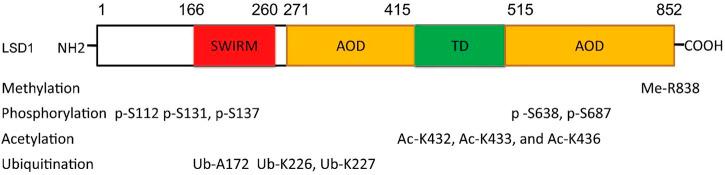
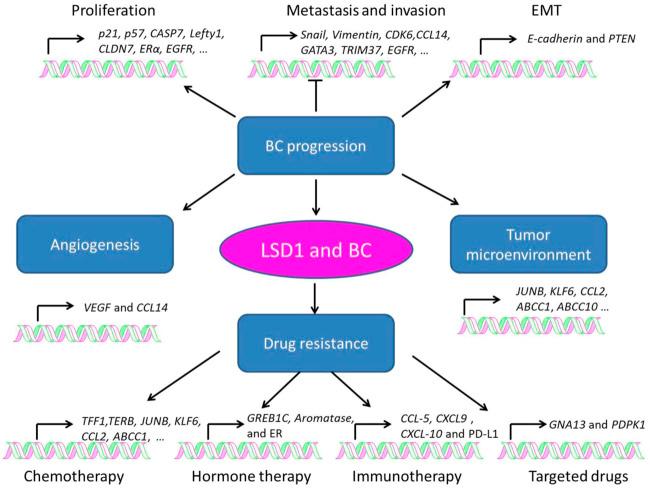
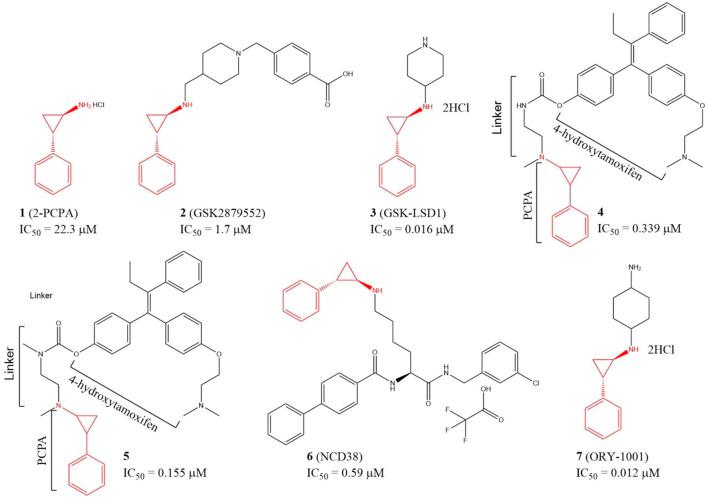
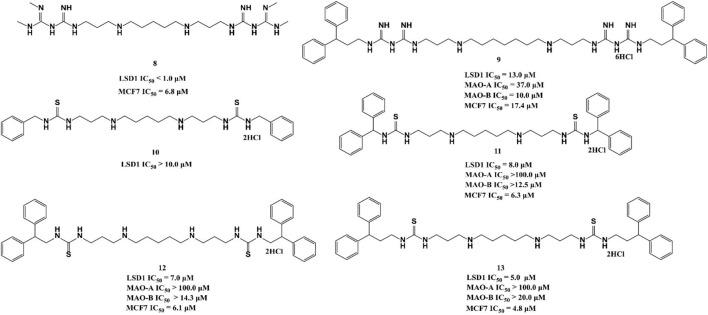
Breast cancer (BC) is a kind of malignant cancer in women, and it has become the most diagnosed cancer worldwide since 2020. Histone methylation is a common biological epigenetic modification mediating varieties of physiological and pathological processes. Lysine-specific demethylase 1 (LSD1), a first identified histone demethylase, mediates the removal of methyl groups from histones H3K4me1/2 and H3K9me1/2 and plays a crucial role in varieties of cancer progression. It is also specifically amplified in breast cancer and contributes to BC tumorigenesis and drug resistance both demethylase and non-demethylase manners. This review will provide insight into the overview structure of LSD1, summarize its action mechanisms in BC, describe the therapeutic potential of LSD1 inhibitors in BC, and prospect the current opportunities and challenges of targeting LSD1 for BC therapy.
乳腺癌(BC)是女性中的一种恶性肿瘤,自2020年以来已成为全球诊断出最多的癌症。组蛋白甲基化是一种常见的生物表观遗传修饰,介导多种生理和病理过程。赖氨酸特异性去甲基化酶1(LSD1)是首个被鉴定出的组蛋白去甲基化酶,介导从组蛋白H3K4me1/2和H3K9me1/2上去除甲基基团,并在多种癌症进展中起关键作用。它在乳腺癌中也有特异性扩增,并以去甲基化酶和非去甲基化酶的方式促进乳腺癌的肿瘤发生和耐药性。本综述将深入探讨LSD1的总体结构,总结其在乳腺癌中的作用机制,描述LSD1抑制剂在乳腺癌中的治疗潜力,并展望针对LSD1进行乳腺癌治疗的当前机遇和挑战。




 Zotero 插件