
在自闭症谱系障碍中寻找血液中异常细胞因子的免疫细胞来源:病例对照研究的系统评价。
In search of immune cellular sources of abnormal cytokines in the blood in autism spectrum disorder: A systematic review of case-control studies.
机构信息
Neurological Disorders Research Center, Qatar Biomedical Research Institute, Hamad Bin Khalifa University, Qatar Foundation, Doha, Qatar.
出版信息
Front Immunol. 2022 Oct 4;13:950275. doi: 10.3389/fimmu.2022.950275. eCollection 2022.
UNLABELLED
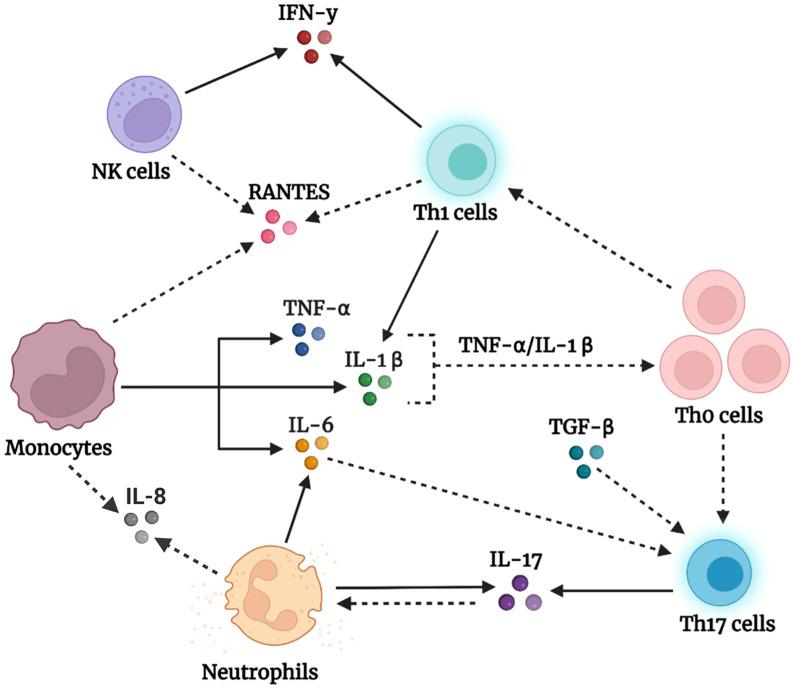
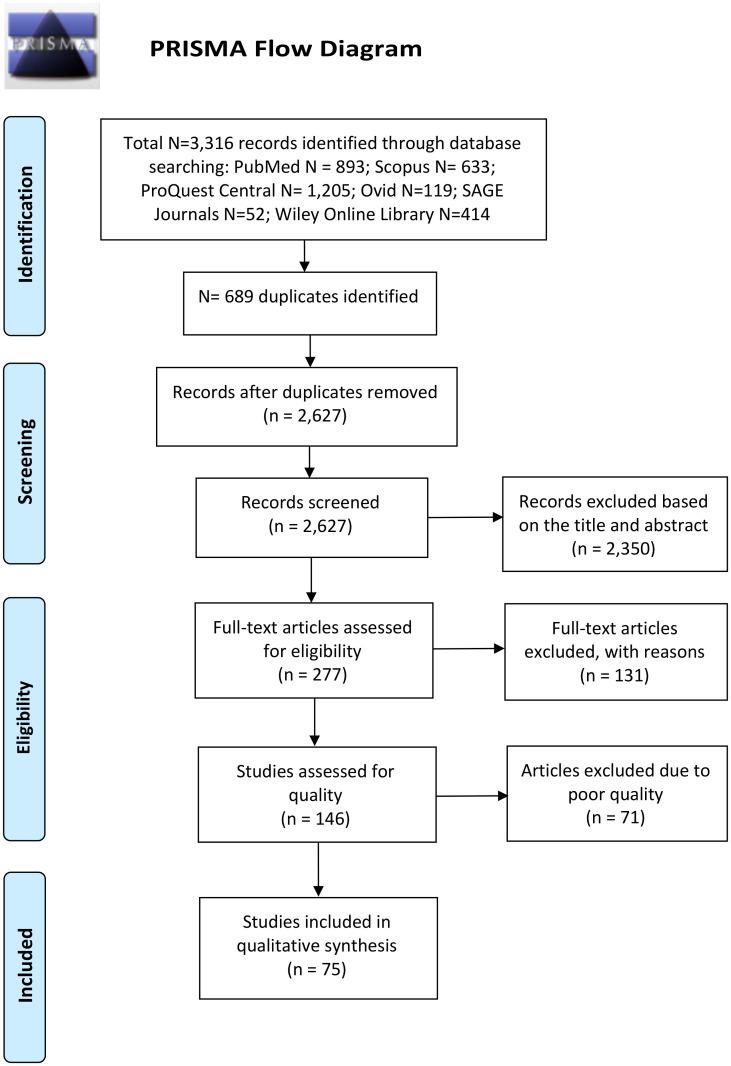
Abnormal cytokine levels in circulating blood have been repeatedly reported in autism; however, the underlying cause remains unclear. This systematic review aimed to investigate cytokine levels in peripheral blood compartments and identify their potential immune cellular sources in subjects with autism through comparison with controls. We conducted an electronic database search (PubMed, Scopus, ProQuest Central, Ovid, SAGE Journals, and Wiley Online Library) from inception (no time limits) to July 9, 2020, and identified 75 relevant articles. Our qualitative data synthesis focused on results consistently described in at least three independent studies, and we reported the results according to the PRISMA protocol. We found that compared with controls, in subjects with autism, cytokines IL-6, IL-17, TNF-α, and IL-1β increased in the plasma and serum. We also identified monocytes, neutrophils, and CD4+ T cells as potential sources of these elevated cytokines in autism. Cytokines IFN-, TGF-β, RANTES, and IL-8 were increased in the plasma/serum of subjects with autism, and IFN- was likely produced by CD4+ T cells and natural killer (NK) cells, although conflicting evidence is present for IFN- and TGF-β. Other cytokines-IL-13, IL-10, IL-5, and IL-4-were found to be unaltered in the plasma/serum and post-stimulated blood immune cells in autistic individuals as compared with controls. The frequencies of T cells, monocytes, B cells, and NK cells were unchanged in subjects with autism as opposed to controls, suggesting that abnormal cytokines were unlikely due to altered cell numbers but might be due to altered functioning of these cells in autism. Our results support existing studies of abnormal cytokines in autism and provide comprehensive evidence of potential cellular sources of these altered cytokines in the context of autism.
SYSTEMATIC REVIEW REGISTRATION
https://www.crd.york.ac.uk/prospero/display_record.php?ID=CRD42020205224, identifier [CRD42020205224].
目的
本系统综述旨在通过与对照组比较,调查自闭症患者外周血各血液成分中的细胞因子水平,并确定其潜在的免疫细胞来源。
检索策略
我们对电子数据库(PubMed、Scopus、ProQuest Central、Ovid、SAGE 期刊和 Wiley Online Library)进行了无时间限制的检索,检索时间截至 2020 年 7 月 9 日。
纳入标准
研究对象为自闭症患者,干预措施为未予任何干预,比较指标为自闭症患者与对照组外周血各血液成分中的细胞因子水平。
排除标准
综述、病例报告、动物研究、体外研究、细胞系研究。
资料提取和综合方法
由两位研究者独立进行资料提取和质量评价,采用定性综合方法对符合纳入标准的文献进行分析。
结果
共纳入 75 篇文献,其中包括 2571 例自闭症患者和 2371 例对照组。与对照组相比,自闭症患者的血浆和血清中细胞因子 IL-6、IL-17、TNF-α 和 IL-1β 升高。我们还发现,自闭症患者的血浆/血清中细胞因子 IFN-、TGF-β、RANTES 和 IL-8 升高,其中 IFN-可能由 CD4+T 细胞和自然杀伤(NK)细胞产生,但 IFN-和 TGF-β的证据相互矛盾。与对照组相比,自闭症患者的血浆/血清和经刺激后的血液免疫细胞中其他细胞因子(IL-13、IL-10、IL-5 和 IL-4)未发生改变。自闭症患者的 T 细胞、单核细胞、B 细胞和 NK 细胞频率与对照组相比无变化,提示异常细胞因子可能不是由于细胞数量改变所致,而可能是由于自闭症患者这些细胞的功能改变所致。
结论
本研究结果支持自闭症患者中存在异常细胞因子的现有研究,并提供了自闭症患者中这些改变的细胞因子潜在细胞来源的综合证据。
 Zotero 插件