
使用氨基锂树脂的实用肽合成工作流程。
A Practical Peptide Synthesis Workflow Using Amino-Li-Resin.
作者信息
Akintayo Damilola Caleb, Manne Srinivasa Rao, de la Torre Beatriz G, Li Yongfu, Albericio Fernando
机构信息
Peptide Science Laboratory, School of Chemistry and Physics, University of KwaZulu-Natal, Durban 4000, South Africa.
KwaZulu-Natal Research Innovation and Sequencing Platform (KRISP), School of Laboratory Medicine and Medical Sciences, College of Health Sciences, University of KwaZulu-Natal, Durban 4041, South Africa.
出版信息
Methods Protoc. 2022 Sep 20;5(5):72. doi: 10.3390/mps5050072.
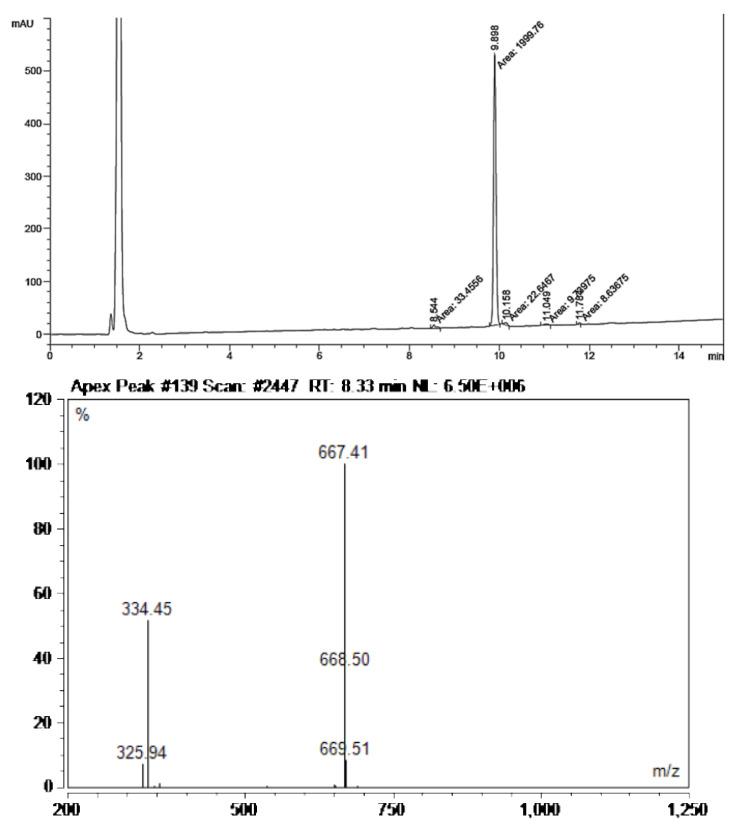
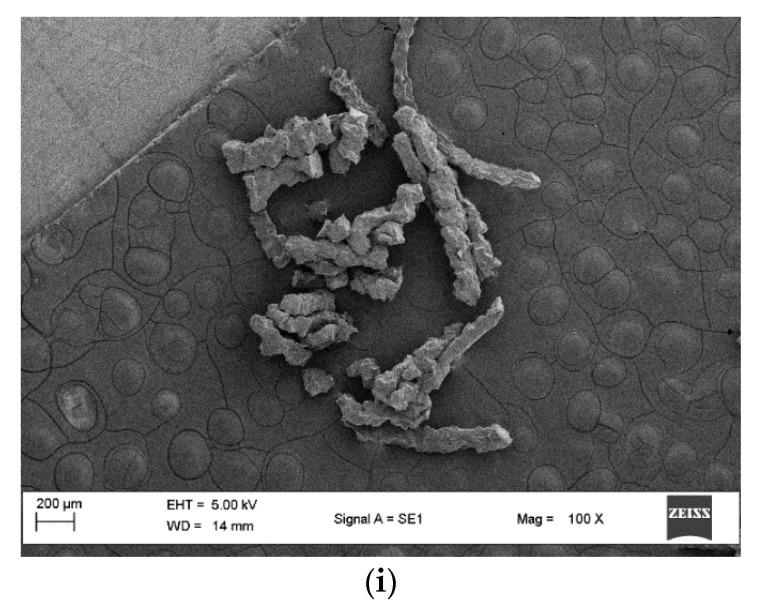
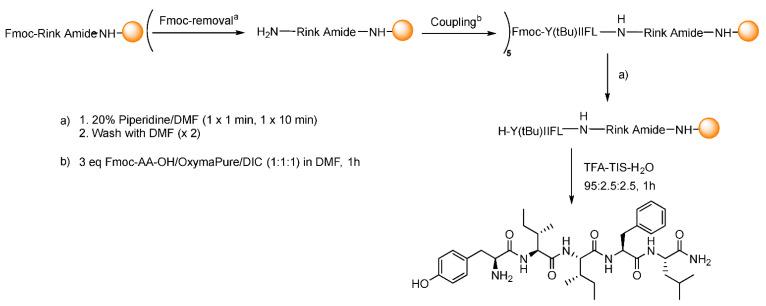
Herein we report a practical approach for peptide synthesis using second-generation fibrous polyacrylamide resin (Li-resin, "Li" is coming from the name of its inventor, Yongfu Li). This resin with the corresponding handle was used for solid phase peptide synthesis (SPPS) using a fluorenylmethoxycarbonyl (Fmoc) approach. We reveal that the most appropriate mixing and filtration strategy when using amino-Li-resin in SPPS is via shaking and gravity filtration, instead of mechanical stirring and suction filtration used with other resins. The strategy was demonstrated with the SPPS of H-Tyr-Ile-Ile-Phe-Leu-NH, which contains the difficult sequence Ile-Ile. The peptide was obtained with excellent purity and yield. We are confident that this strategy will be rapidly implemented by other peptide laboratories.
在此,我们报道了一种使用第二代纤维状聚丙烯酰胺树脂(Li-树脂,“Li”源自其发明者李永富的名字)进行肽合成的实用方法。这种带有相应连接臂的树脂用于采用芴甲氧羰基(Fmoc)方法的固相肽合成(SPPS)。我们发现,在SPPS中使用氨基-Li-树脂时,最合适的混合和过滤策略是通过振荡和重力过滤,而不是与其他树脂一起使用的机械搅拌和抽滤。该策略通过含有困难序列Ile-Ile的H-Tyr-Ile-Ile-Phe-Leu-NH的SPPS得到了验证。该肽以优异的纯度和产率获得。我们相信,这一策略将被其他肽实验室迅速采用。




 Zotero 插件