
通过饮食调节肠道微生物来应对压力:一种益生菌饮食可以影响健康成年人的肠道微生物稳定性和感知到的压力。
Feed your microbes to deal with stress: a psychobiotic diet impacts microbial stability and perceived stress in a healthy adult population.
机构信息
APC Microbiome Ireland, Cork, Ireland.
Department of Anatomy and Neuroscience, University College Cork, Cork, Ireland.
出版信息
Mol Psychiatry. 2023 Feb;28(2):601-610. doi: 10.1038/s41380-022-01817-y. Epub 2022 Oct 27.
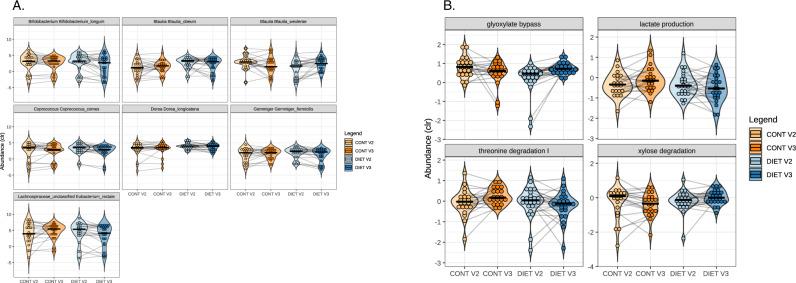
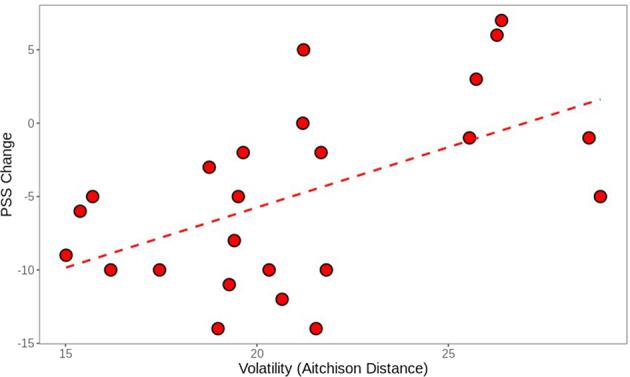
The impact of diet on the microbiota composition and the role of diet in supporting optimal mental health have received much attention in the last decade. However, whether whole dietary approaches can exert psychobiotic effects is largely understudied. Thus, we investigated the influence of a psychobiotic diet (high in prebiotic and fermented foods) on the microbial profile and function as well as on mental health outcomes in a healthy human population. Forty-five adults were randomized into either a psychobiotic (n = 24) or control (n = 21) diet for 4 weeks. Fecal microbiota composition and function was characterized using shotgun sequencing. Stress, overall health and diet were assessed using validated questionnaires. Metabolic profiling of plasma, urine and fecal samples was performed. Intervention with a psychobiotic diet resulted in reductions of perceived stress (32% in diet vs. 17% in control group), but not between groups. Similarly, biological marker of stress were not affected. Additionally, higher adherence to the diet resulted in stronger decreases in perceived stress. While the dietary intervention elicited only subtle changes in microbial composition and function, significant changes in the level of 40 specific fecal lipids and urinary tryptophan metabolites were observed. Lastly, microbial volatility was linked to greater changes in perceived stress scores in those on the psychobiotic diet. These results highlight that dietary approaches can be used to reduce perceived stress in a human cohort. Using microbiota-targeted diets to positively modulate gut-brain communication holds possibilities for the reduction of stress and stress-associated disorders, but additional research is warranted to investigate underlying mechanisms, including the role of the microbiota.
在过去十年中,饮食对微生物群落组成的影响以及饮食在支持最佳心理健康方面的作用受到了广泛关注。然而,全饮食方法是否可以发挥益生菌的作用在很大程度上还没有得到充分研究。因此,我们调查了益生菌饮食(富含益生元和发酵食品)对微生物特征和功能以及健康人群心理健康结果的影响。45 名成年人被随机分为益生菌饮食组(n=24)或对照组(n=21),进行为期 4 周的饮食干预。使用 shotgun 测序法对粪便微生物群落组成和功能进行了表征。使用经过验证的问卷评估压力、整体健康状况和饮食情况。对血浆、尿液和粪便样本进行代谢物分析。益生菌饮食干预可降低感知压力(饮食组降低 32%,对照组降低 17%),但组间无差异。同样,压力的生物学标志物也不受影响。此外,饮食依从性越高,感知压力的降低越明显。虽然饮食干预仅对微生物组成和功能产生细微影响,但观察到 40 种特定粪便脂质和尿色氨酸代谢物的水平有显著变化。最后,在接受益生菌饮食的人群中,微生物挥发性与感知压力评分的更大变化相关。这些结果表明,饮食方法可用于减轻人类群体的感知压力。使用针对微生物组的饮食来积极调节肠-脑通讯有可能减轻压力和与压力相关的疾病,但需要进一步研究以探讨潜在机制,包括微生物组的作用。


 Zotero 插件